







Portable Water Maker for Yachts: Features to Look For
Portable Water Maker for Yachts: Features to Look For
On a yacht, fresh water is the one consumable that cannot be topped up at sea. Tanks are sized for a few days of comfortable use, and every extra litre carried is weight that has to be pushed through the water. A small onboard water maker changes that arithmetic: seawater goes in, and a continuous supply of fresh water comes out, with no shore connection and no plastic bottles stowed in the bilge.
The difficulty is that water makers look similar in a photograph and behave very differently in a marina. This guide sets out the features worth comparing before you buy — how the unit is built, what its rated output actually means, which specification figures decide whether it suits your boat, and what running and maintenance costs you should expect to carry.
⚓ Why a Yacht Needs Its Own Water Supply
A yacht leaves the dock with a fixed water capacity and a crew whose consumption does not decrease at sea. Drinking, cooking, washing and equipment rinsing all draw on the same tank, so the practical limit on a cruise is often the water load rather than the fuel load or the weather window. Extending a passage then means either carrying more water, which costs weight and volume, or finding somewhere to fill up, which ties the itinerary to shore.
An onboard water maker breaks that dependency. Because the raw water source surrounds the boat, the supply is effectively unlimited, and the only running input is electrical power. On a yacht of any size, that converts a consumable into an on-demand utility.
⚙️ How an Onboard Water Maker Actually Works
A yacht water maker is a compact reverse osmosis plant. A feed pump draws seawater through two stages of pre-filtration — typically a 10 µm element followed by a 5 µm element — that protect the membrane from silt and suspended solids. A high-pressure plunger pump then raises the pressure to overcome the osmotic pressure of seawater and pushes the water through a semi-permeable membrane, which rejects the dissolved salts.
In the WTEYA portable machine the membrane is a 4021 element with 3.1 m² of active area, operating at up to 100 bar on the high-pressure side, with a salt rejection of about 99%. A UV lamp at 254 nm sterilises the product water as a final barrier, so the output is safe to drink without boiling.
Because the process is a physical separation rather than a chemical treatment, it needs no consumable chemicals in normal operation and produces a single concentrated brine stream that is returned to the sea.
📊 The Specifications That Actually Matter
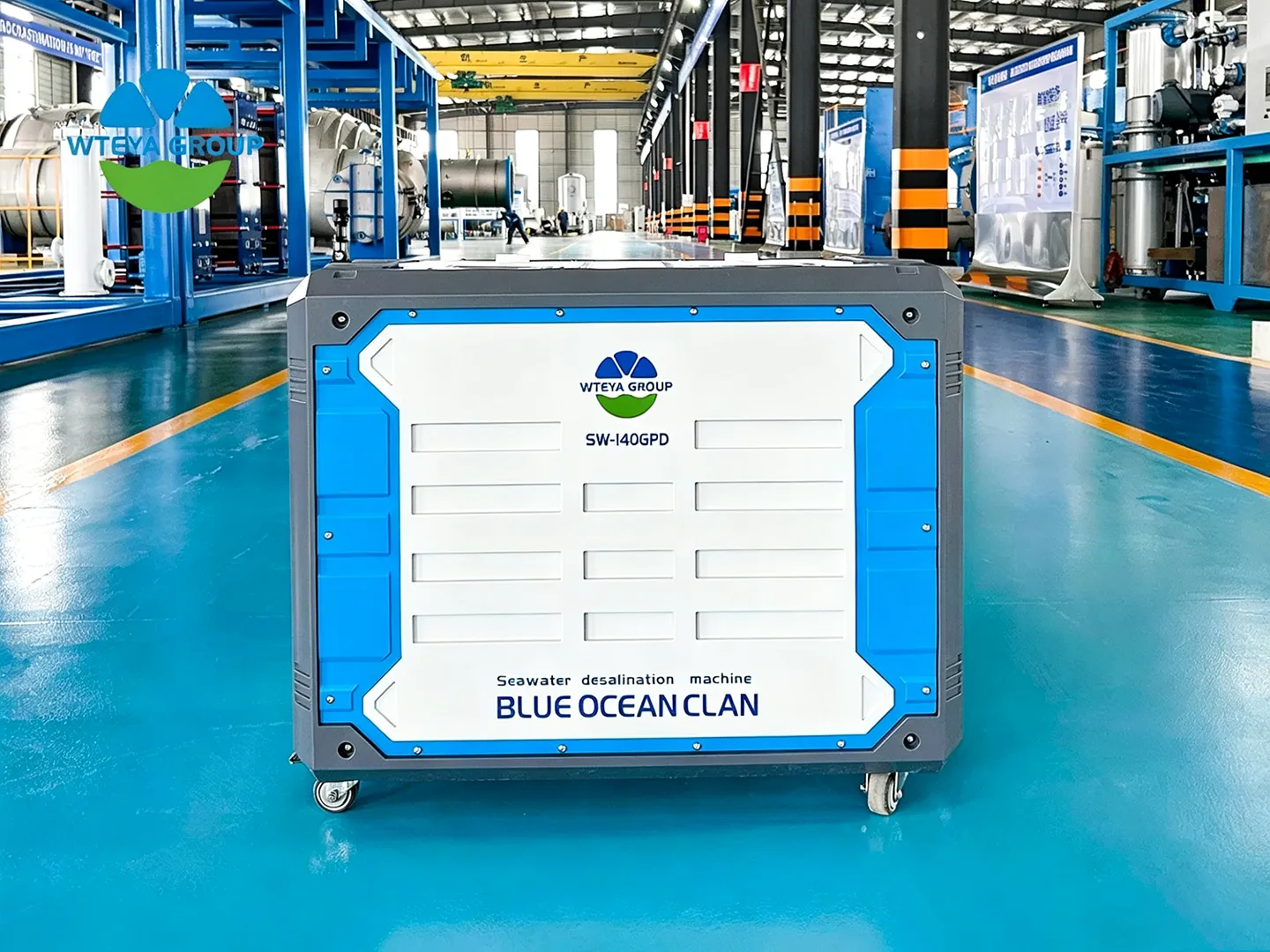
Rated output is the first figure buyers compare, and it is worth reading carefully. The SW-4021 is rated at 300 GPD, which is the same as 1,200 litres per day or 50 litres per hour — roughly the drinking, cooking and washing demand of a crew of about ten or more, depending on how carefully water is used.
The second figure that matters is the feed water envelope, because it decides whether the machine will run cleanly on your cruising grounds. This unit accepts feed up to 35,000 ppm TDS, between 5 °C and 45 °C, at pH 4 to 9, with a silt density index below 5 and turbidity below 1 NTU. Product water is held to a TDS of 1,000 mg/L or less, turbidity below 1.0 NTU and pH 6.5 to 8.5, with total coliforms absent.
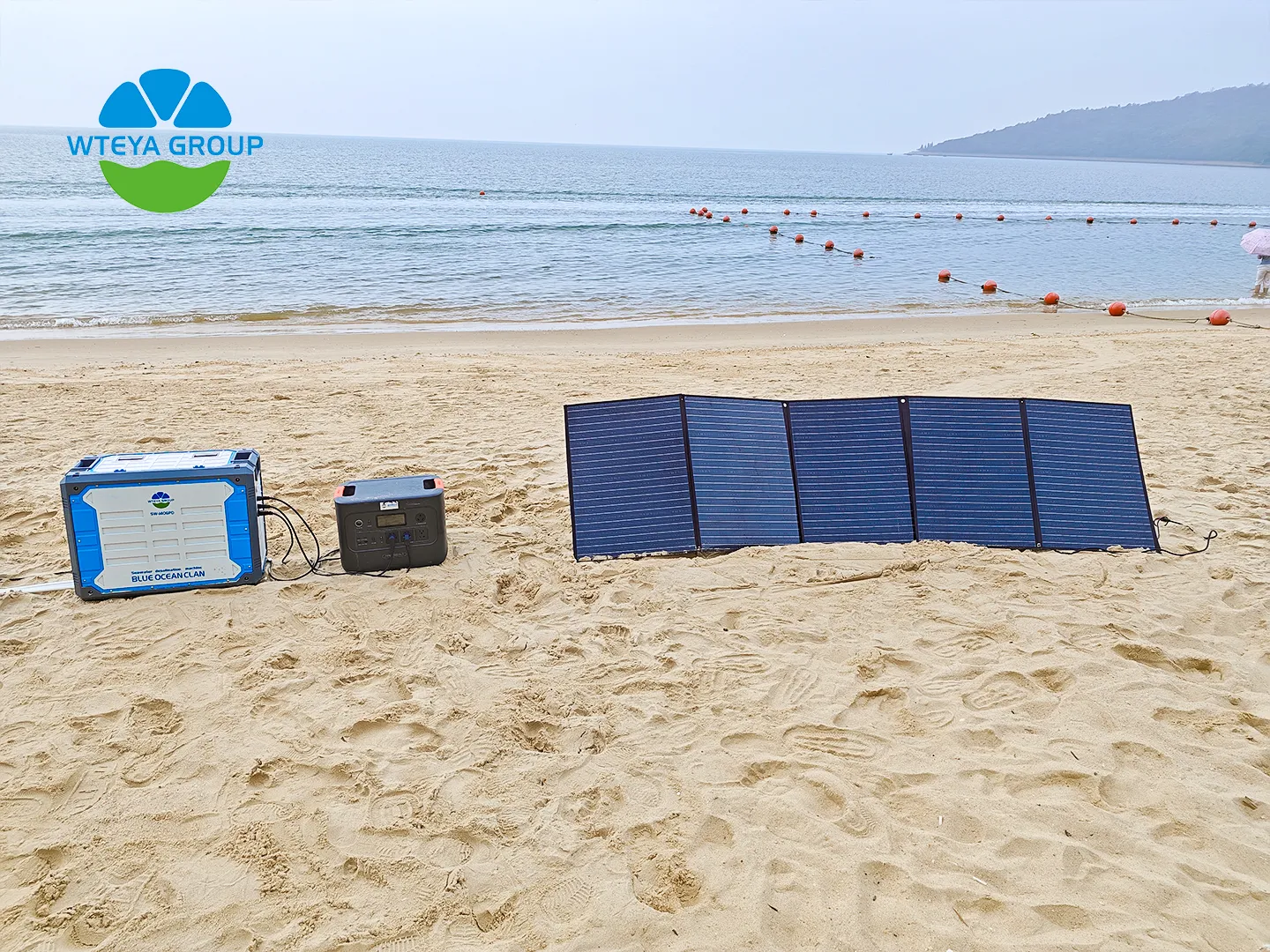
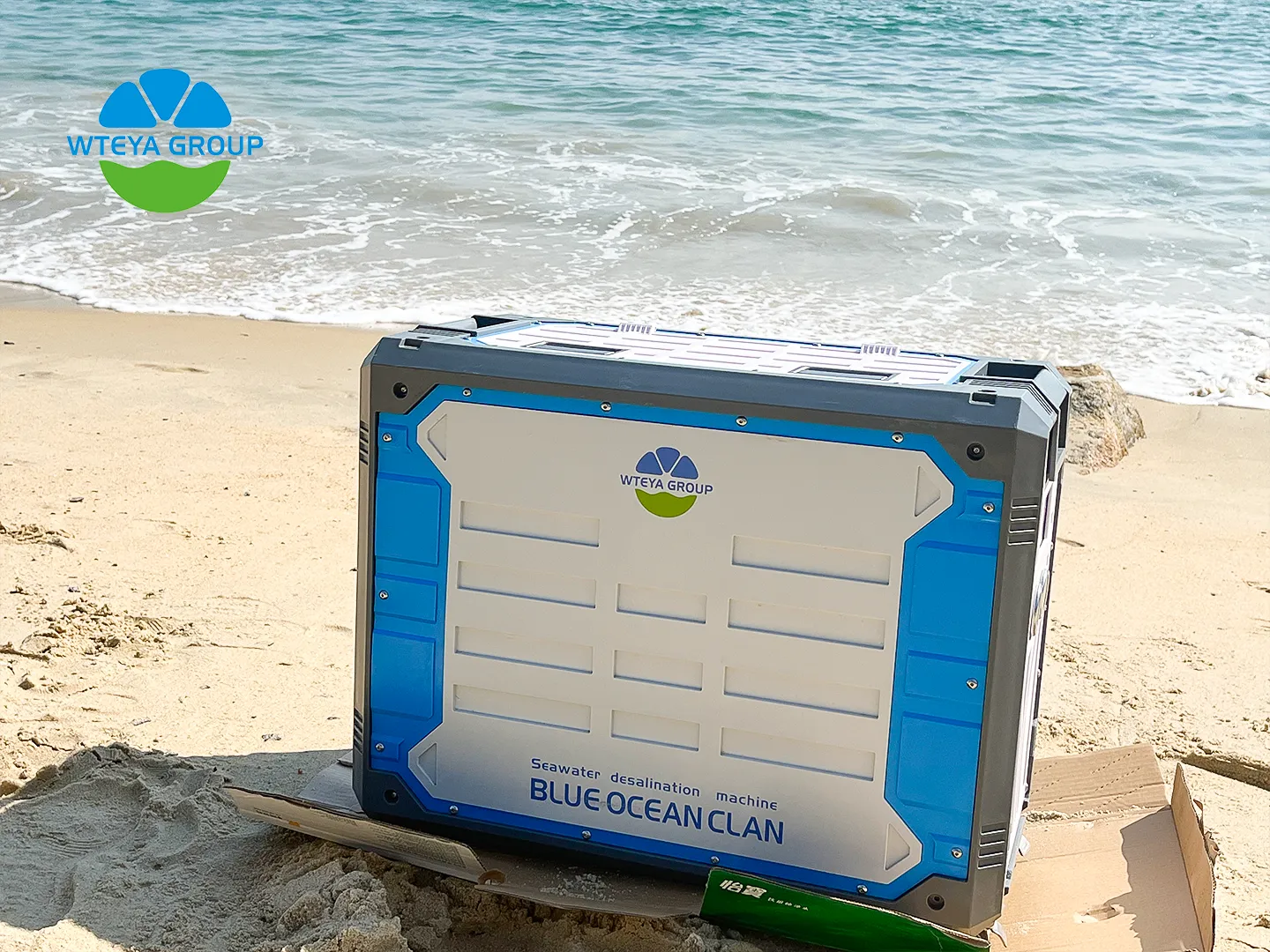
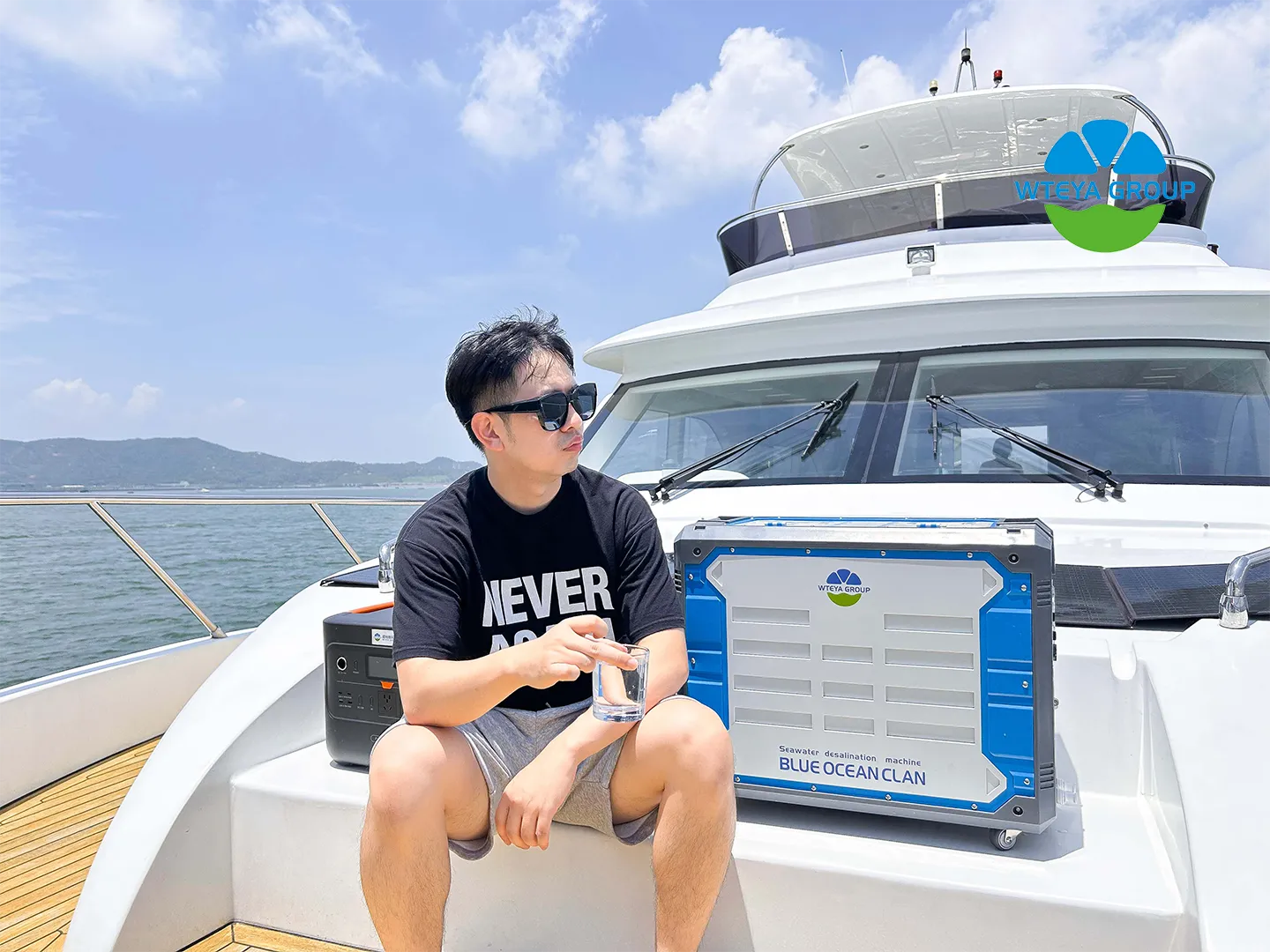
Physical fit is the third. At 610 × 320 × 497 mm and 40 kg, the machine can be lifted by two people and installed in a lazarette, an engine room corner or a dedicated locker, with only inlet, product and brine connections plus a power feed to route.
🔌 Power and Installation on Board
Total installed power is 1.35 kW, made up of a 0.15 kW feed pump, a 1.1 kW high-pressure plunger pump and the control and UV circuits. The machine runs on a 200–240 V single-phase supply at 8 to 10 A and 50 or 60 Hz, and a 24 V DC variant is available so the unit can draw directly from the vessel's battery bank instead of running the generator.
Two details are worth flagging at specification stage. The machine must not be connected to a three-phase supply, so if that is all the vessel has, a single-phase source has to be provided. And the high-pressure circuit is rated to 1,000 psi / 69 bar, so hoses, fittings and the brine overboard connection must be selected to that working pressure rather than to the low-pressure side of the system. All four connections are G3/8 inch female threads.
🧰 Running Costs and Maintenance to Budget For
The dominant running cost is electricity. At full duty the machine draws about 32.4 kWh per day while producing 1,200 litres, which works out at roughly 27 kWh per cubic metre of product water. That figure is typical of a small high-pressure reverse osmosis system, and it drops sharply if the machine is run on demand rather than left running continuously against a full tank.
Consumables follow a predictable cycle and are the second cost line. The 10 µm pre-filter is cleaned every 5 to 60 hours depending on how silty the water is, and the 5 µm element is replaced every 15 to 30 days. The membrane is good for more than 3,600 hours — about 180 to 360 days of service — the UV lamp for more than 3,000 hours, and the plunger pump oil is changed every 500 hours using about 130 ml of CKD220 or an equivalent gear oil.
One habit protects the membrane more than anything else: if the boat is laid up for more than three days, circulate a 1% to 1.5% sodium metabisulphite solution through the system for 10 to 15 minutes and leave it charged, refreshing the solution every 30 days.
🏆 Why Choose WTEYA
WTEYA has spent nearly two decades designing and building seawater reverse osmosis equipment, and the portable range is engineered around the constraints that actually matter on a boat: low weight, compact footprint, a single-phase or 24 V DC supply, and maintenance that the owner or crew can carry out without specialist tools. Every unit is factory tested before shipment, and the machines are supported by a supply of genuine filters, membranes, UV lamps and pump oil for the life of the equipment.
For yachts and other marine users the same engineering team that supports containerised plants and large desalination systems is behind the portable range, so sizing questions are answered against real water analysis rather than a catalogue headline.
❓ Frequently Asked Questions
How much fresh water can a portable yacht water maker produce each day?
The SW-4021 is rated at 300 GPD — 1,200 litres per day, or 50 litres per hour. That comfortably covers drinking, cooking and washing for a crew of about ten to fifteen people, and it can be run on demand rather than continuously.
Can the water maker run from the boat's batteries instead of a generator?
Yes. Besides the 200–240 V single-phase version, a 24 V DC variant draws directly from the vessel's battery bank. Total installed power is only 1.35 kW, so the load is modest for a yacht with a reasonable house bank and charging system.
What maintenance does it need, and how often?
Clean the 10 µm pre-filter every 5 to 60 hours depending on water quality and replace the 5 µm element every 15 to 30 days; replace the membrane after roughly 3,600 hours and the UV lamp after 3,000 hours; change the plunger pump oil every 500 hours. For lay-ups longer than three days, charge the system with a 1%–1.5% sodium metabisulphite solution and refresh it monthly.
🤝 Become a WTEYA Authorized Dealer
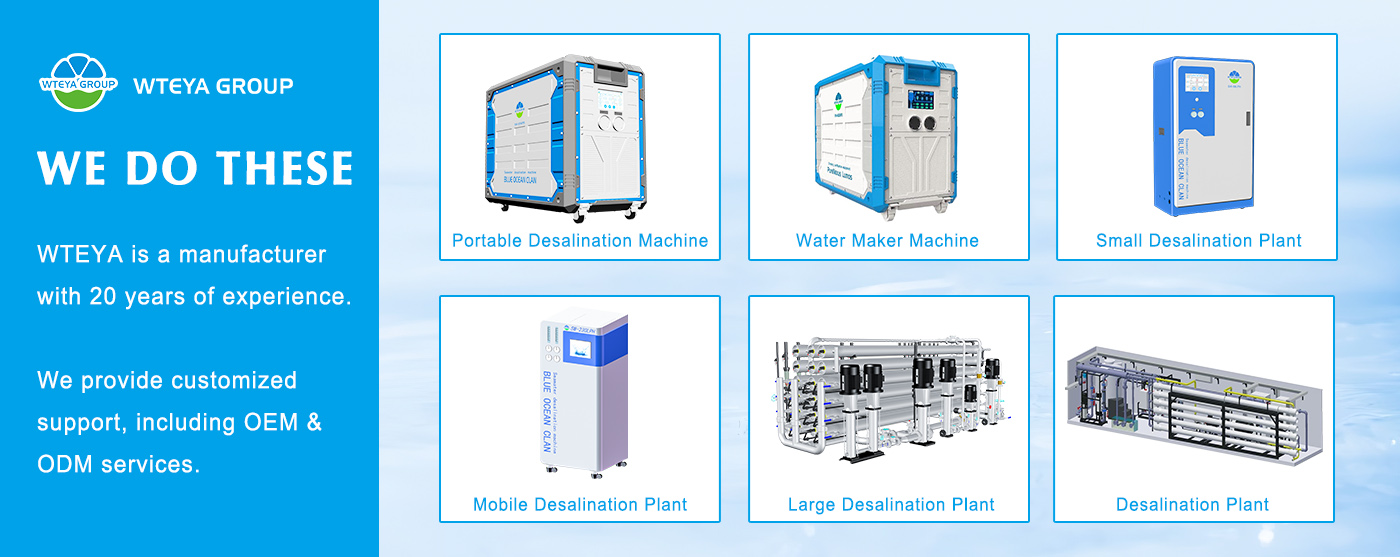
Water makers are one of the fastest-growing categories in marine equipment, and WTEYA partner dealers serve the demand with a complete portfolio: portable water makers, small and large desalination plants, brackish water systems and containerised plants, all backed by factory engineering support.
Dealers receive exclusive territory protection, competitive factory pricing, and product and application training. No previous desalination experience is required, because the factory supports system sizing, installation advice and after-sales service — and marketing materials, quotation support and a reference-project pack are all provided.
To apply, contact our export team with your company information and target region, and we will follow up with a partnership proposal, price list and resource pack.
📲 WhatsApp: +86-1802 5185 143
📧 Email: sales@wteya.com
🌐 Website: www.wteyaa.com

Previous: Island Water Supply: Desalination Solutions
Next: No More