







Island Water Supply: Desalination Solutions
Island Water Supply: Desalination Solutions
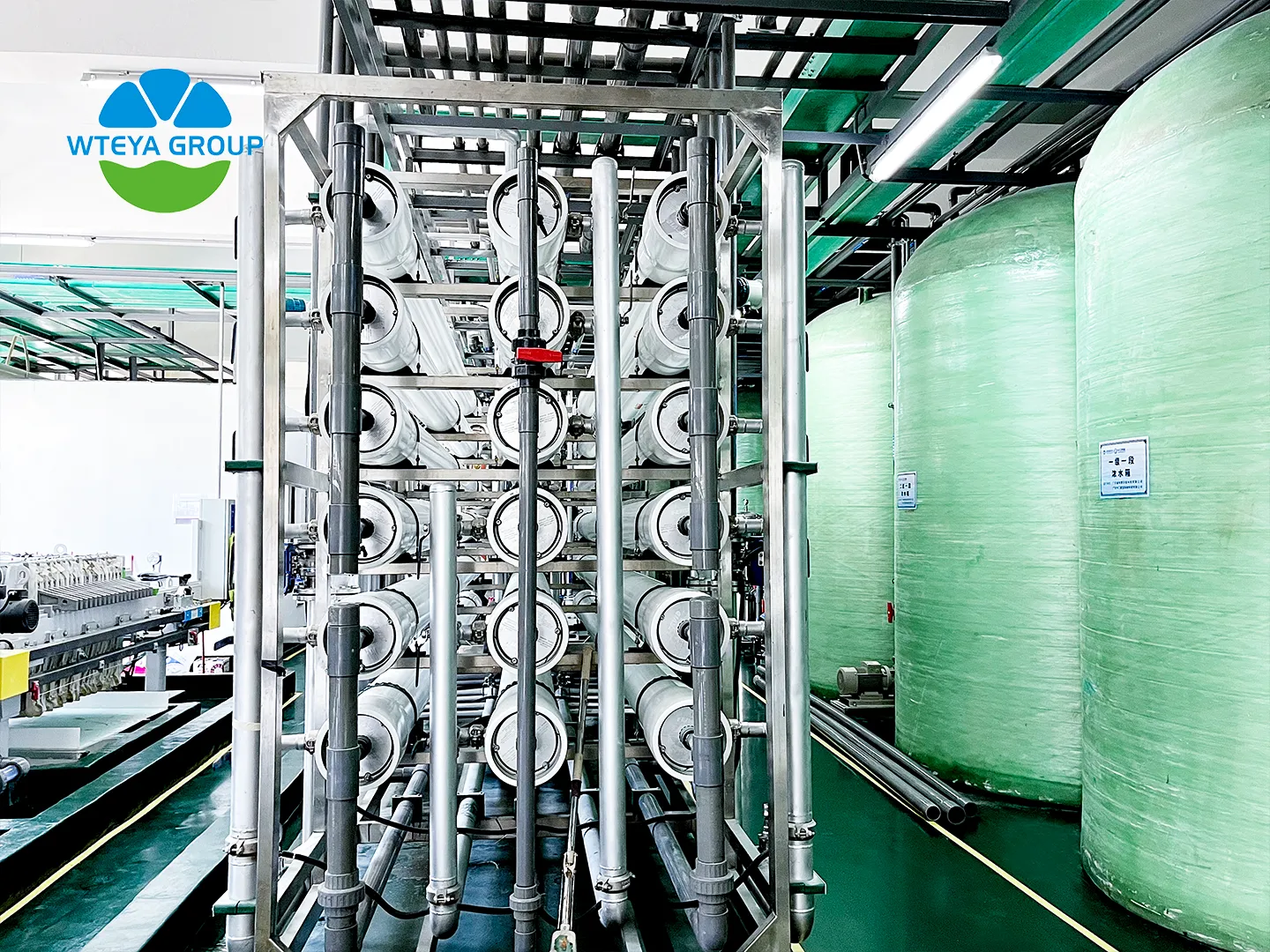
Islands are surrounded by water and short of it at the same time. Rain catchment is seasonal, boreholes are often brackish and shallow, and every litre that arrives by tanker is paid for twice — once in freight, once in the risk that a storm cancels the delivery. A packaged reverse osmosis plant removes that dependency: seawater goes in, drinking water comes out, and the island stops planning its life around the shipping schedule.
This article looks at what an island desalination system actually involves — how the equipment is packaged, how it is powered, how it is sized against real demand, and what has to be handled properly so that the supply is both reliable and environmentally sound.
🏝️ Why Island Water Supply Needs Its Own Source
An island community has no rivers to fall back on and no regional pipeline to connect to. Groundwater is limited, frequently saline because of seawater intrusion, and vulnerable to over-abstraction. Rainwater harvesting is worth having but cannot be relied upon through a dry season or a drought year. The result is a supply chain that depends on weather, on vessels and on fuel prices — three variables the island cannot control.
A desalination plant reverses that logic by turning the surrounding sea into the raw water source. A standard 5 cubic metre per hour unit produces about 120 tonnes of fresh water per day, and a 10 cubic metre per hour unit about 240 tonnes per day — enough, at 100 to 200 litres per person per day, for a community of several hundred up to well over a thousand residents and visitors.
📦 Containerized Plants Fit Island Logistics
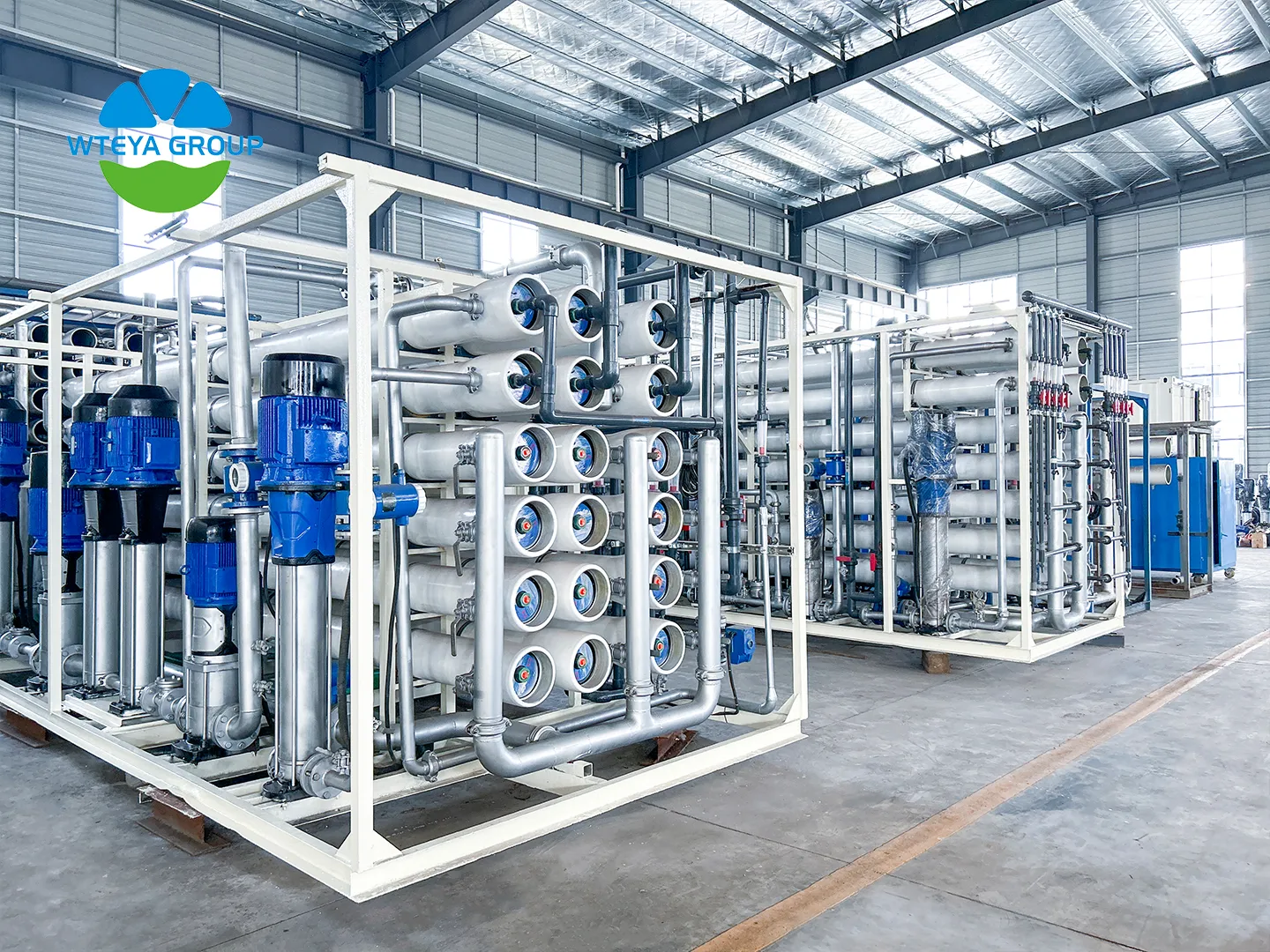
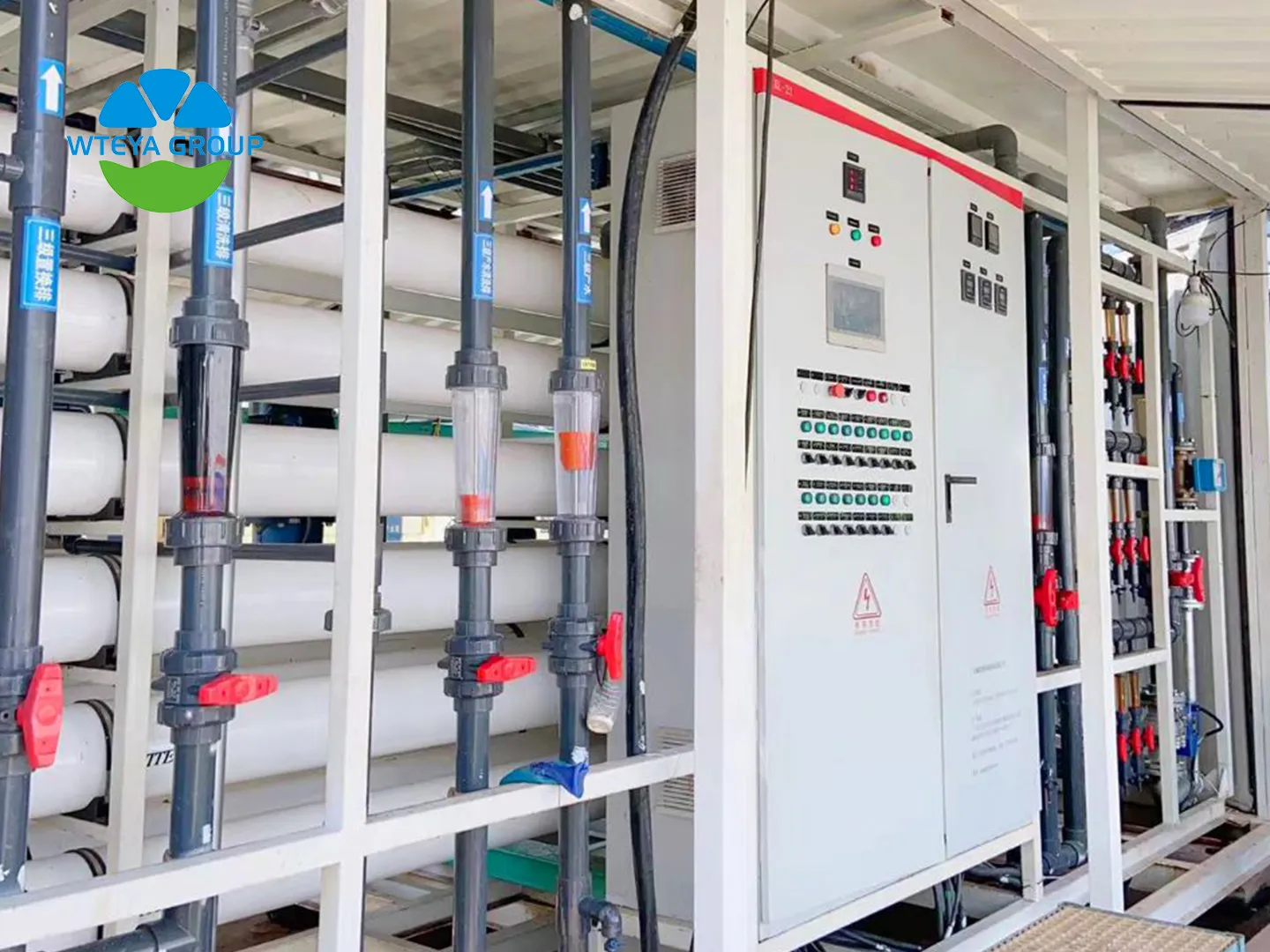
The build format matters more on an island than on the mainland, because every piece of equipment has to arrive by ship and be assembled by a small local team. A containerized plant answers both problems: the complete system — intake, pretreatment, high-pressure pumping, membrane array, energy recovery and post-treatment — is assembled and function-tested in the factory, then shipped inside a standard 20 or 40 foot container that doubles as the equipment room.
The practical consequences are significant. Almost no civil works are required, the footprint is only about 15 to 30 square metres, and site work is limited to connecting the intake, the power supply and the outlet piping — typically 3 to 7 days of installation and commissioning. If demand grows, or a second settlement needs water, the unit can be lifted and relocated as a single package rather than rebuilt.
⚡ Powering an Island Plant: Grid, Diesel or Solar
Energy is the recurring cost of desalination, and on an island it is also the main design decision. Where a stable grid exists, it is the simplest option. Where it does not, two routes are available: diesel generation, or a photovoltaic array with battery storage.
A solar solution is now routine. Because seawater RO with energy recovery consumes only 3 to 4 kWh per cubic metre, a 10 cubic metre per hour plant running 24 hours needs roughly 600 to 960 kWh per day; with an average of four peak sun hours that points to about 150 to 300 kW of PV and a 500 to 1,000 kWh battery bank for one to two days of autonomy. Hybrid photovoltaic-plus-diesel arrangements cover extended cloudy periods without oversizing the battery. One technical detail is worth flagging early: the high-pressure pump operates at 5.5 to 7.0 MPa and draws a heavy starting current, so variable-frequency drive and storage buffering form part of the electrical design.
📐 Sizing an Island System Against Real Demand
Sizing starts from daily consumption, not from the largest model available. Estimate resident population and visitor load at 100 to 200 litres per person per day, add any resort, clinic or processing demand, then divide by running hours — normally 20 to 24 — to reach the required hourly output. A design margin of 10% to 20% above average demand covers seasonal peaks and service intervals.
A product water storage tank is the cheapest way to absorb peaks. Tank capacity of roughly half a day to a full day of production lets the plant run steadily at its efficient duty point while the island draws water unevenly through the day, and it also keeps supply flowing during routine membrane cleaning or maintenance.
🌊 Brine Discharge and Environmental Care
A seawater plant recovers 40% to 50% of the feed as fresh water, so every tonne of product leaves behind roughly 1 to 1.5 tonnes of brine at about one and a half to two times the salinity of the sea. Handled well, this is unremarkable: discharge through a diffuser, mixing with power station cooling water, or beneficial use such as salt production all keep the plume within acceptable limits, provided the outfall is sited away from the intake and away from sensitive habitats such as coral and mangroves.
Two other environmental points belong in the design brief. Intake screening and controlled inlet velocity protect fish larvae and other marine life. And the energy comparison favours membranes decisively: reverse osmosis at 3 to 4 kWh per cubic metre with an energy recovery device — which cuts consumption by about 30% — is far lighter than thermal processes at 10 to 15 kWh per cubic metre, and lighter still when the plant runs on solar power.
🏆 Why Choose WTEYA
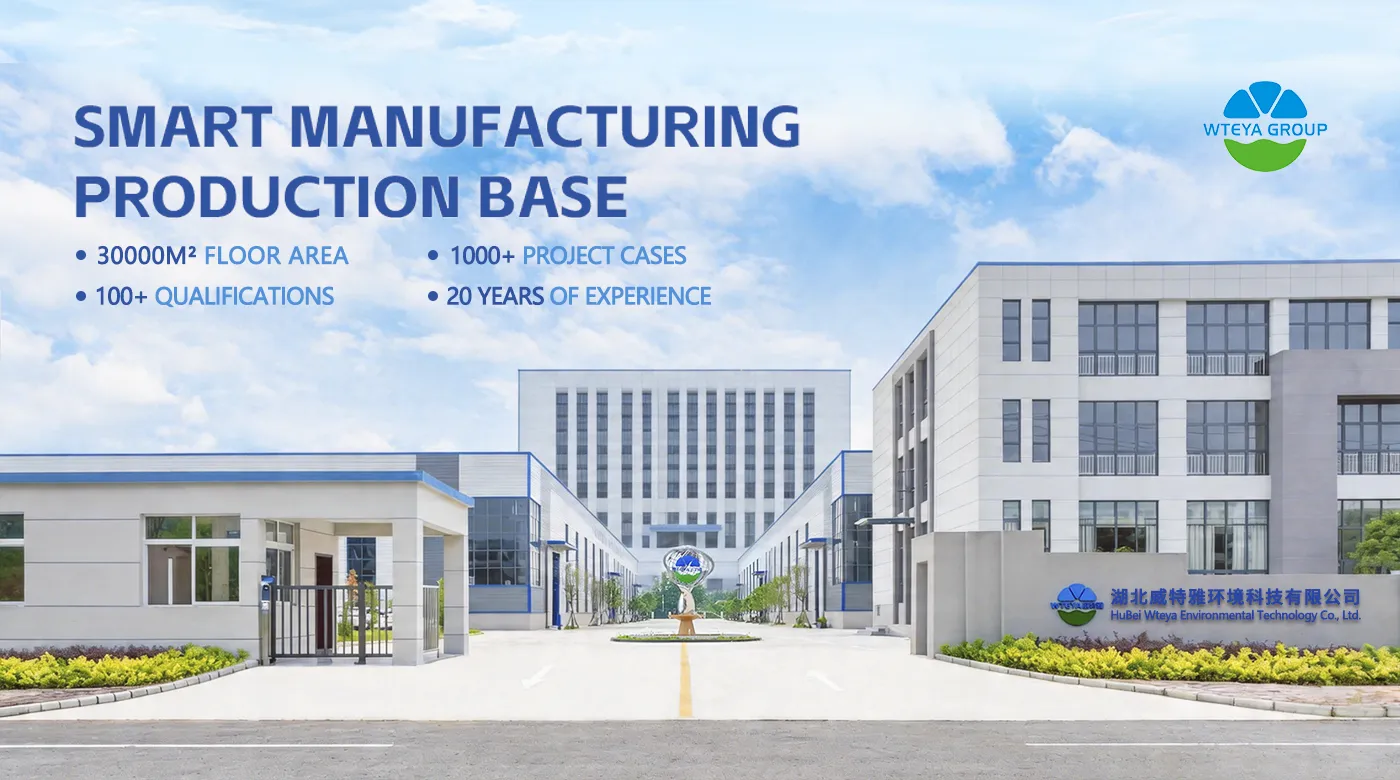
WTEYA has nearly 20 years of experience in water treatment and builds desalination systems around measured site data rather than catalogue assumptions. Every island project starts with an actual water analysis — salinity, turbidity, temperature, silt and algae loading — because those figures decide the pretreatment train, the membrane count and the operating pressure. Deliveries cover integrated, containerized and skid-mounted formats with a stated 99.5% salt rejection rate, product water below 200 ppm TDS in line with WHO drinking water guidelines, and typical project lead times of 1 to 3 months. Support continues after commissioning, with operator training, membrane replacement programmes — membranes normally serve 2 to 5 years — and scheduled maintenance across the equipment lifetime.
❓ Frequently Asked Questions
How much fresh water can one island unit produce?
A 5 m³/h unit delivers about 120 tonnes per day and a 10 m³/h unit about 240 tonnes per day, which covers drinking, washing, sanitation and public use for a community of several hundred to more than a thousand people.
Can an island plant run without grid power?
Yes. An off-grid photovoltaic array with battery storage, or a photovoltaic-diesel hybrid, supplies the plant independently; a 10 m³/h system needs roughly 150 to 300 kW of PV plus 500 to 1,000 kWh of storage.
How long does installation take on a remote island?
Containerized plants arrive factory-tested, so on-site work is normally 3 to 7 days for connection and commissioning, with the whole project from confirmation to delivery usually taking 1 to 3 months.
🤝 Become a WTEYA Authorized Dealer
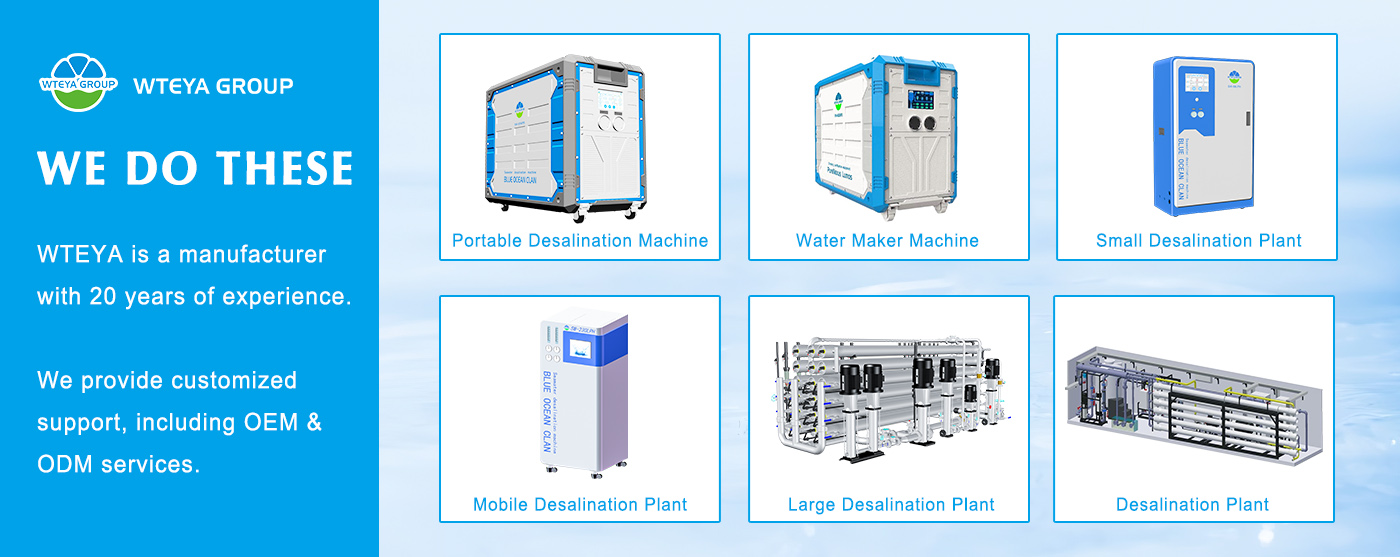
Islands, remote coastlines and off-grid settlements are exactly where desalination demand is growing fastest, and WTEYA partner dealers serve that demand with a complete portfolio: portable water makers, small and large desalination plants, brackish water systems and containerized plants, backed by factory engineering support.
Dealers receive exclusive territory protection, competitive factory pricing, and product and application training — no previous desalination experience is required, because the factory supports system sizing, commissioning and after-sales service. Marketing materials, quotation support and a portal of reference projects are included. Applications are assessed on company background, target region and intended market segment.
To apply, contact our export team with your company information and target region, and we will follow up with a partnership proposal, price list and resource pack.
📲 WhatsApp: +86-1802 5185 143
📧 Email: sales@wteya.com
🌐 Website: www.wteyaa.com
Previous: Reverse Osmosis Desalination: The Complete Guide
Next: No More