







Desalination Plant O&M: A Practical Operator Checklist
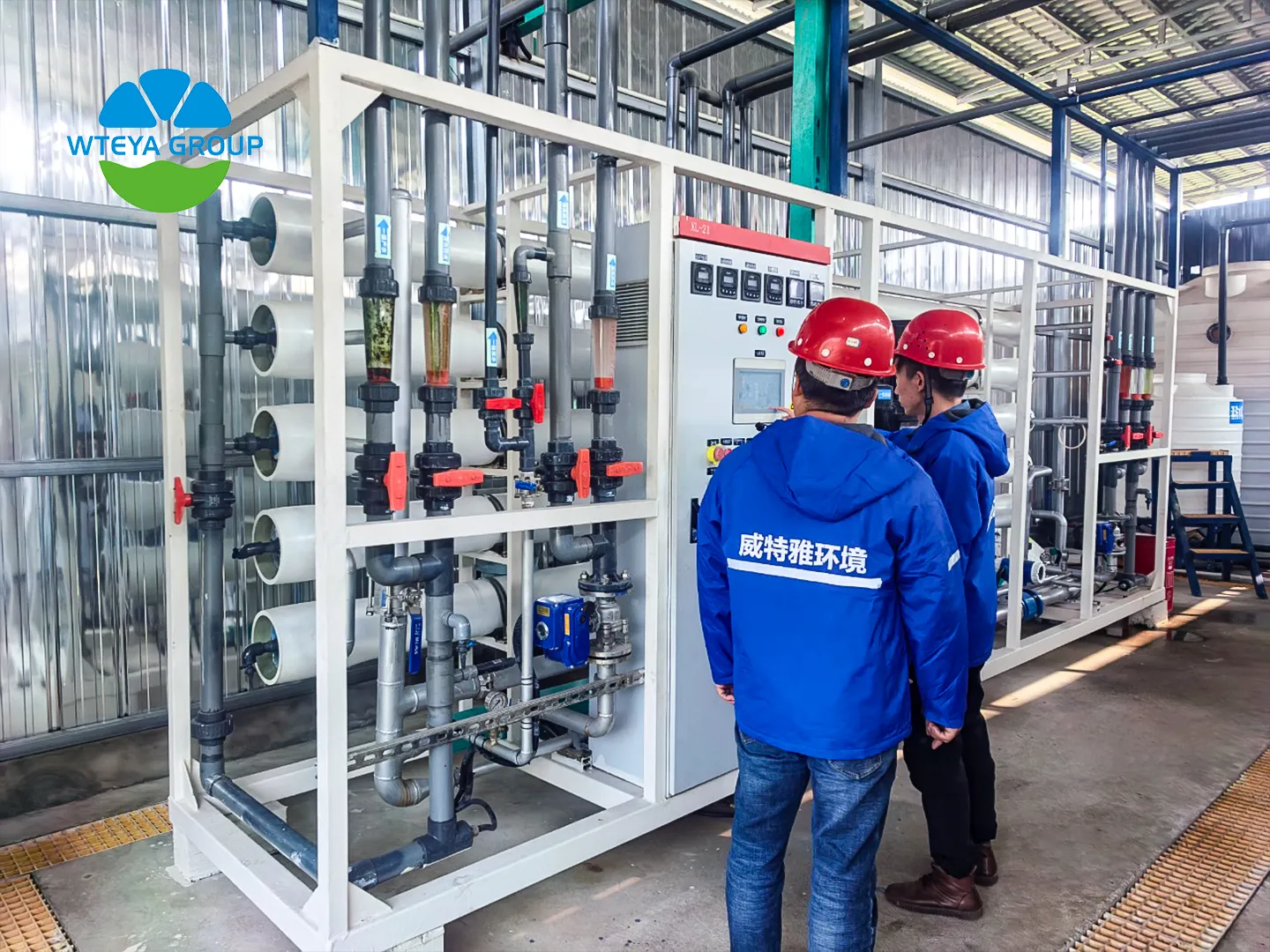
A desalination plant is bought once and operated for fifteen to twenty years. The purchase price is fixed at the start; everything that follows — power, chemicals, cartridges, membrane replacement, downtime — is decided by how the plant is run. Two identical units on the same seawater can differ by more than 30% in annual running cost purely on operating discipline.
This checklist sets out what an operator should actually do, in the order that prevents problems rather than reacting to them.
📊 Start With Normalized Data, Not Raw Readings
Every pressure, flow and conductivity reading moves with feed temperature: a plant running on 30 °C seawater looks better than the same plant at 15 °C without any change in membrane condition. Readings must therefore be normalized to a reference temperature — normally 25 °C — before they are compared with the commissioning baseline.
Three normalized numbers tell almost the whole story: differential pressure across the membrane array (rising means fouling or scaling), permeate conductivity (rising means membrane or seal degradation) and specific energy consumption in kWh per cubic metre (rising means the same, plus pump wear). Plot them weekly against the baseline and the plant tells you what it needs before it fails.
☀️ The Daily Round: Thirty Minutes That Protect the Plant
A short daily walk-through catches nearly everything that becomes expensive later: feed pressure, permeate and concentrate flows, recovery ratio, permeate conductivity, feed turbidity and SDI, feed temperature, pH, residual chlorine, pump vibration and any leak or weep on flanges and high-pressure joints.
Two of those matter more than the rest. SDI must stay below 5, and ideally below 3 — above that, colloidal fouling of the membrane is only a matter of time. And free chlorine at the membrane inlet must be effectively zero: polyamide membranes tolerate a fraction of a ppm, and continuous exposure oxidizes them permanently. Where chlorine is dosed upstream for biofouling control, sodium metabisulfite dosing before the membranes is not optional.
Cartridge filters are the cheapest insurance in the plant. A 5 micron element that shows a pressure rise of 0.5 to 1 bar over its clean value is due for replacement — typically every 2 to 6 weeks on seawater duty, and more often during algal blooms.
🧪 Membrane Cleaning: Trigger It, Don't Schedule It Blindly
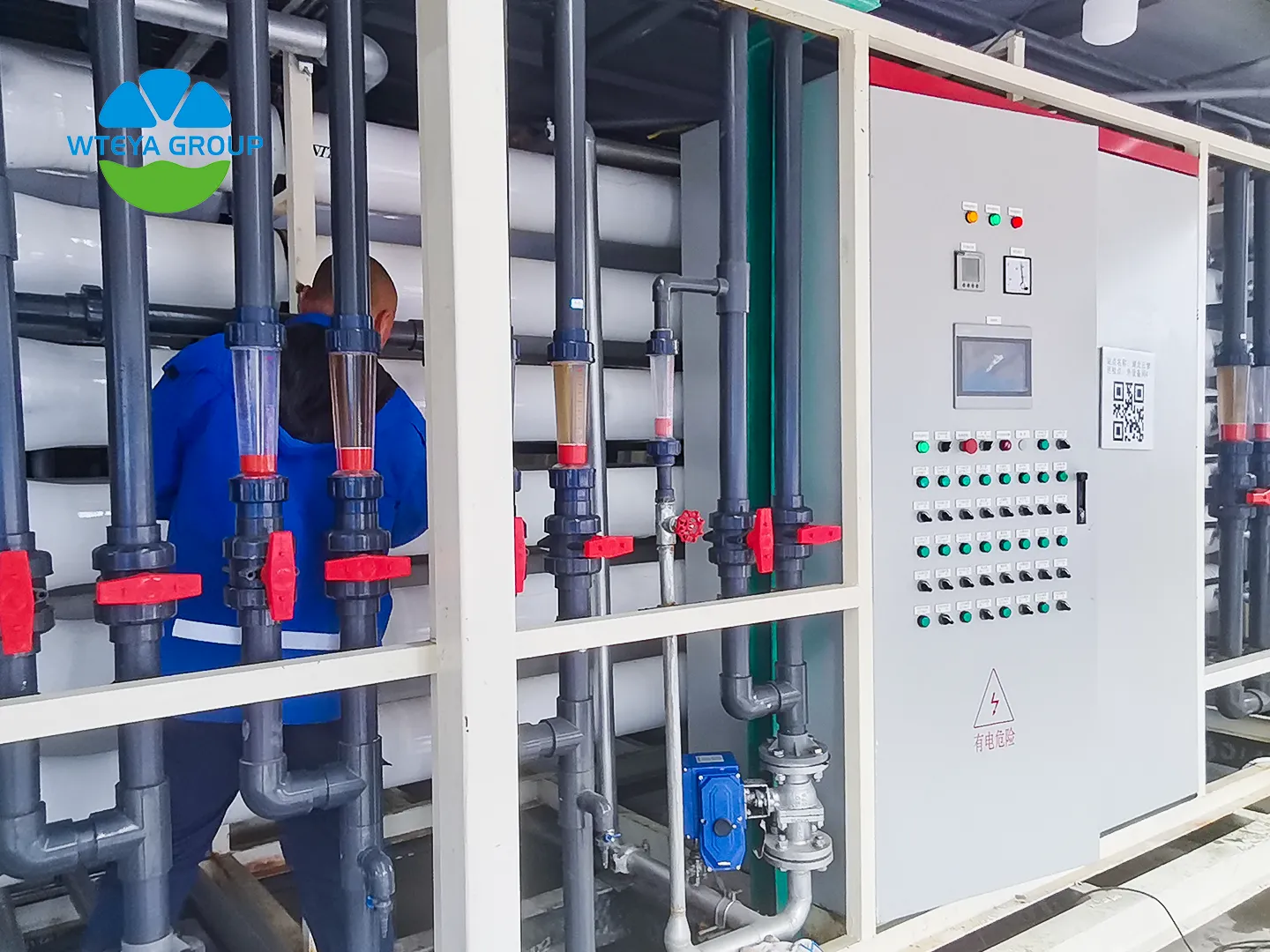
Cleaning on a calendar wastes chemicals and shortens membrane life; cleaning on a normalized trigger keeps performance stable. The standard triggers are a 10% to 15% decline in normalized permeate flow, a 5% to 10% rise in normalized salt passage, or a 15% to 20% increase in differential pressure.
The chemistry follows the foulant. Alkaline cleaning at pH 11 to 12 with an EDTA-based detergent removes organics and biofilms; acid cleaning at pH 2 to 3 with citric acid removes carbonate and metal scales. Clean at low pressure and moderate cross-flow, soak, then flush to neutral pH. Most seawater plants settle into a clean every 3 to 6 months; a plant that needs it monthly has a pretreatment problem, not a cleaning problem.
Membrane life itself is normally 2 to 5 years on seawater and longer on brackish water. Replace individual elements when the normalized salt passage of that element stays high after cleaning, or when the interconnector seals show damage.
⚡ Energy: The Largest Line on the Operating Budget
Power accounts for 40% to 60% of the operating cost of a seawater plant, so it deserves its own routine. A seawater RO train with a pressure exchanger consumes about 3 to 4 kWh per cubic metre; the same train without energy recovery needs 5 to 6 kWh or more. If specific energy drifts upward by 10%, check in this order: membrane fouling, high-pressure pump efficiency, energy recovery device seals, and concentrate valve settings.
Recovery ratio is the other lever and the other trap. Pushing a seawater plant from 40% to 45% recovery raises product output but pushes the concentrate toward gypsum saturation and raises scaling risk sharply. Operating inside the design window is cheaper than recovering from a scaled array.
🔧 Pumps, Instruments and the Mechanical Round
High-pressure pumps run at 5.5 to 7.0 MPa on seawater duty, so small mechanical deterioration is expensive. Check vibration and bearing temperature monthly, inspect mechanical seals for weeping, and verify that the pump is running near its best efficiency point rather than throttled. Booster and transfer pumps deserve the same attention at lower cost.
Instruments are only useful if they are true. Calibrate pressure transmitters, flow meters, conductivity probes and pH sensors every 3 to 6 months, and cross-check the online conductivity meter against a handheld meter weekly. A drifting conductivity probe can hide a membrane breach for months.
❄️ Shutdown, Standby and Preservation
Short standby — a few days — is handled by flushing with permeate and keeping the elements wet. Longer shutdowns need preservation: a clean CIP, then a sodium metabisulfite solution at roughly 1% to suppress biological growth, with the vessels sealed and the solution renewed every 30 days. Elements must never be allowed to dry out, and must never be stored or shipped where they can freeze.
Where a plant is seasonal — resort, agricultural or construction supply — the shutdown procedure belongs in the operating manual from day one, not improvised at the end of the season. Most premature membrane failures in seasonal plants trace back to a neglected standby period.
📋 Records That Pay for Themselves
Keep a single log covering daily normalized readings, cleaning events with the chemical used and the recovery achieved, cartridge replacements, chemical consumption, energy per cubic metre and downtime with cause. Six months of that log turns every future decision — cleaning interval, membrane replacement, pretreatment upgrade — from a guess into an arithmetic exercise, and it is usually the first thing a warranty claim or an audit asks for.
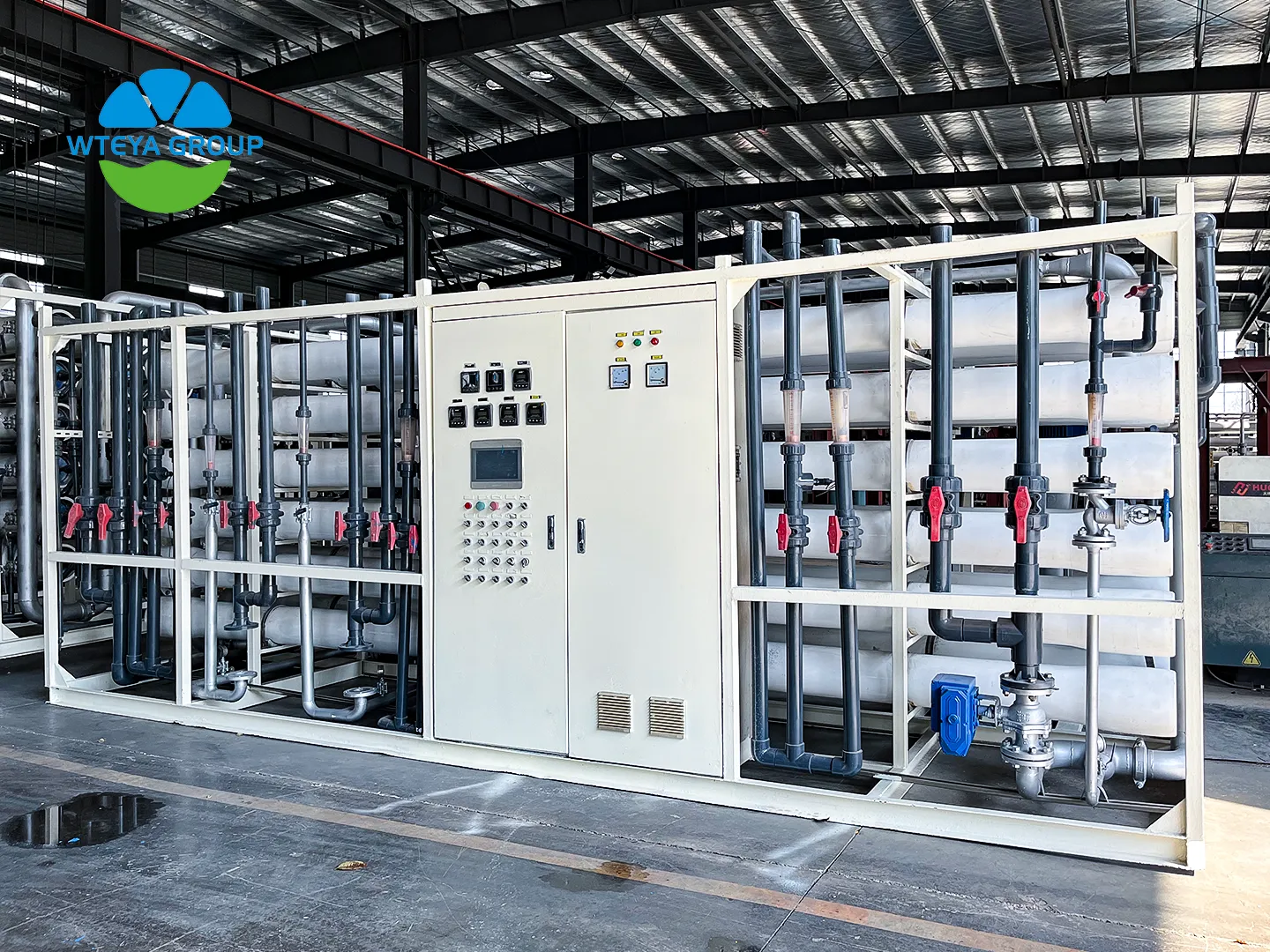
A structured routine is also what makes a sea water treatment plant last its full design life. Where the plant is containerized or skid-mounted, the same checklist applies with the added advantage that the whole train can be lifted out and exchanged if a major overhaul is ever needed.
❓ Frequently Asked Questions
How often should RO membranes be cleaned?
On trigger, not on a fixed calendar: most seawater plants clean every 3 to 6 months, typically when normalized flow drops 10–15% or differential pressure rises 15–20%.
How long do desalination membranes last?
Two to five years on seawater duty with proper pretreatment and cleaning; longer on brackish water. Chlorine damage, dry storage and neglected standby are the usual causes of early failure.
What is a normal energy consumption for a seawater RO plant?
About 3 to 4 kWh per cubic metre with an energy recovery device, and 5 to 6 kWh or more without one. A sustained 10% rise usually indicates fouling or pump wear.
Become a WTEYA authorized dealer for desalination equipment. Exclusive territories, competitive pricing, and full factory support — including commissioning checklists, operator training and spare parts planning for every plant you install.
📱 WhatsApp: +86-1800 2840 855
📧 Email: info@wteya.com
🌐 Website: www.wteyaa.com
Previous: Brine Disposal for Small Desalination Plants: 5 Options
Next: No More