






Portable Desalination Device: Fresh Water on Demand for Marine Survey Teams
Portable Desalination Device: Fresh Water on Demand for Marine Survey Teams
Marine survey teams spend weeks at sea mapping ocean floors, monitoring ecosystems, and collecting environmental data. Every liter of fresh water they carry reduces space for scientific equipment. A portable desalination device changes that equation — turning the very seawater surrounding the vessel into a reliable drinking water supply.
The Hidden Cost of Water Logistics at Sea
For a typical 10-day marine survey mission, a 6-person crew needs roughly 120 liters of drinking water — about 120 kg of payload. That weight forces trade-offs: fewer sampling tools, less fuel, or shorter mission windows. When fresh water runs low, the entire operation pauses for resupply, burning time and budget. In remote survey zones hundreds of kilometers from port, water resupply is not just inconvenient — it can jeopardize the entire data collection schedule.
Portable Desalination: Produce Fresh Water Where You Work
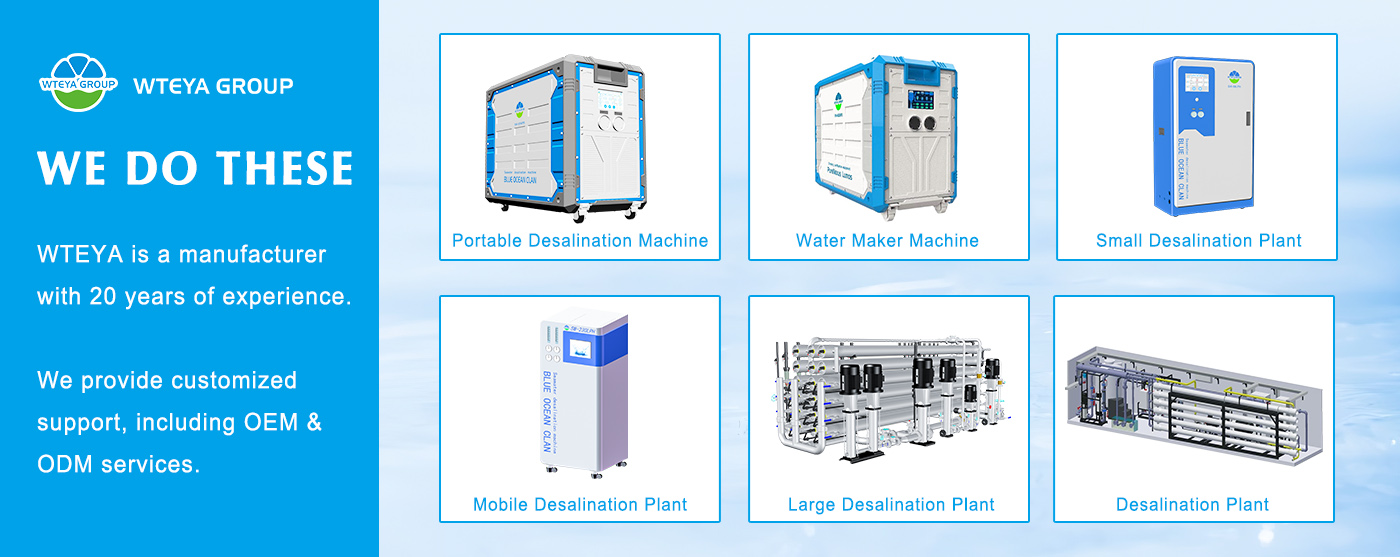
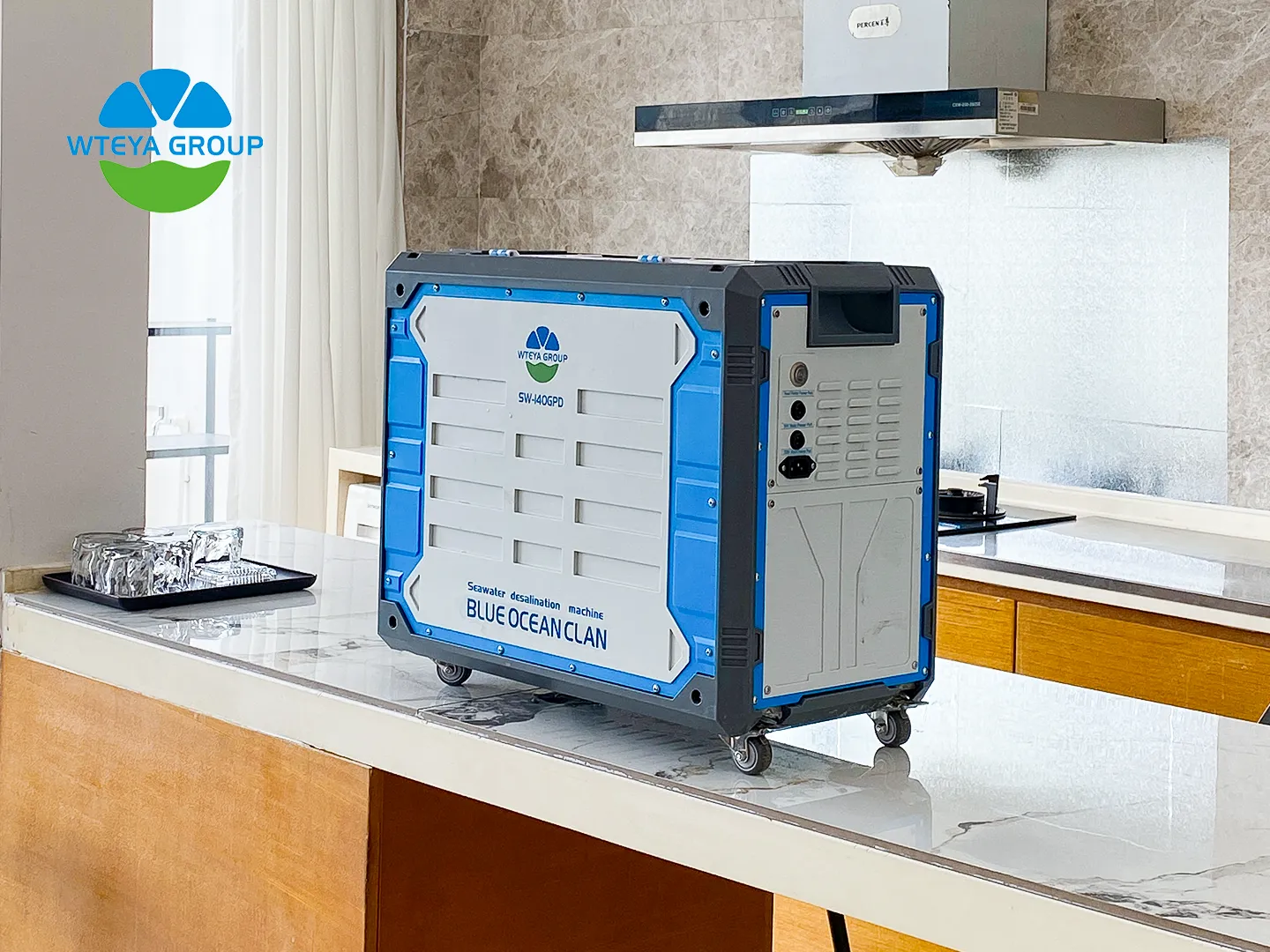
Unlike large shipboard desalination plants that require permanent installation and engine-room integration, a portable desalination device is compact enough to stow in a equipment locker. Powered by the vessel's battery bank or a small generator, these units convert seawater into fresh drinking water at rates of 30 to 60 liters per hour. Survey teams simply drop the intake hose overboard, start the pump, and collect fresh water directly into their storage containers. No plumbing modifications, no deck penetrations — just plug in and produce.
How Portable RO Desalination Works
At the heart of every portable desalination device is a reverse osmosis membrane — a semi-permeable barrier that allows water molecules to pass while blocking salt, minerals, and microorganisms. A high-pressure pump forces seawater against the membrane at around 55 bar. The result is fresh water with total dissolved solids below 500 ppm, meeting WHO drinking water standards. Modern portable units package this technology into a single rugged case weighing under 25 kg, complete with pre-filters, automatic flushing, and salinity monitoring.
Why Marine Survey Teams Choose Portable Water Makers
Extended Mission Range. With on-demand fresh water production, survey vessels can stay on station longer without returning to port. A portable desalination device producing 50 liters per hour covers a full crew's daily drinking needs in under three hours of operation, leaving the rest of the day for scientific work.
Payload Efficiency. Removing 120 kg of stored water frees capacity for additional sampling gear, underwater drones, or extra fuel. For small survey boats where every kilogram counts, this is a decisive operational advantage.
Emergency Redundancy. Even vessels with built-in water tanks benefit from a backup desalination device. Tank contamination, pump failure, or unexpected crew additions become manageable rather than mission-ending events.
Real-World Applications
Bathymetric survey teams operating in the South China Sea use portable desalination devices to sustain two-week mapping missions without shore support. Coral reef monitoring expeditions in the Indian Ocean rely on compact water makers to keep dive teams hydrated during multi-week field seasons. Fisheries research vessels in the North Atlantic run portable RO units alongside their scientific instruments, producing fresh water while underway between sampling stations. Marine geophysical crews working off the coast of West Africa deploy portable desalination as standard equipment on every chartered survey boat.
From coastal hydrographic surveys to deep-ocean research cruises, the ability to make fresh water anywhere transforms how marine survey teams plan and execute their missions. A portable desalination device eliminates the water logistics bottleneck, letting scientists focus on what they do best — collecting the data that shapes our understanding of the ocean.
📲 WhatsApp: +86-1800 2867 926
📧 Email: sales@wteya.com
🌐 Website: www.wteyaa.com