






Emergency Desalination: Rapid Fresh Water for Flood Response Operations
Emergency Desalination: Rapid Fresh Water for Flood Response Operations
Flood disasters destroy water infrastructure overnight. Treatment plants go offline, pipelines rupture, and clean water sources become contaminated with sewage, chemicals, and debris. For response teams on the ground, securing safe drinking water often becomes the single hardest logistical challenge — and the one where every hour counts.
The Water Crisis Floods Create
When floodwaters rise, they don't just submerge homes and roads. They turn functioning water systems into hazards. Municipal treatment facilities lose power, pumps stop working, and distribution networks fill with contaminated floodwater. The result is a double disaster: people surrounded by water, yet none of it safe to drink.
Bottled water shipments are the default response, but they come with crushing limitations. A single truck carries perhaps 20,000 liters — enough for just 5,000 people at minimum daily rations. Getting trucks through flooded roads takes days. By the time supplies arrive, dehydration and waterborne diseases are already spreading through affected communities.
Mobile Desalination: Water Where It's Needed
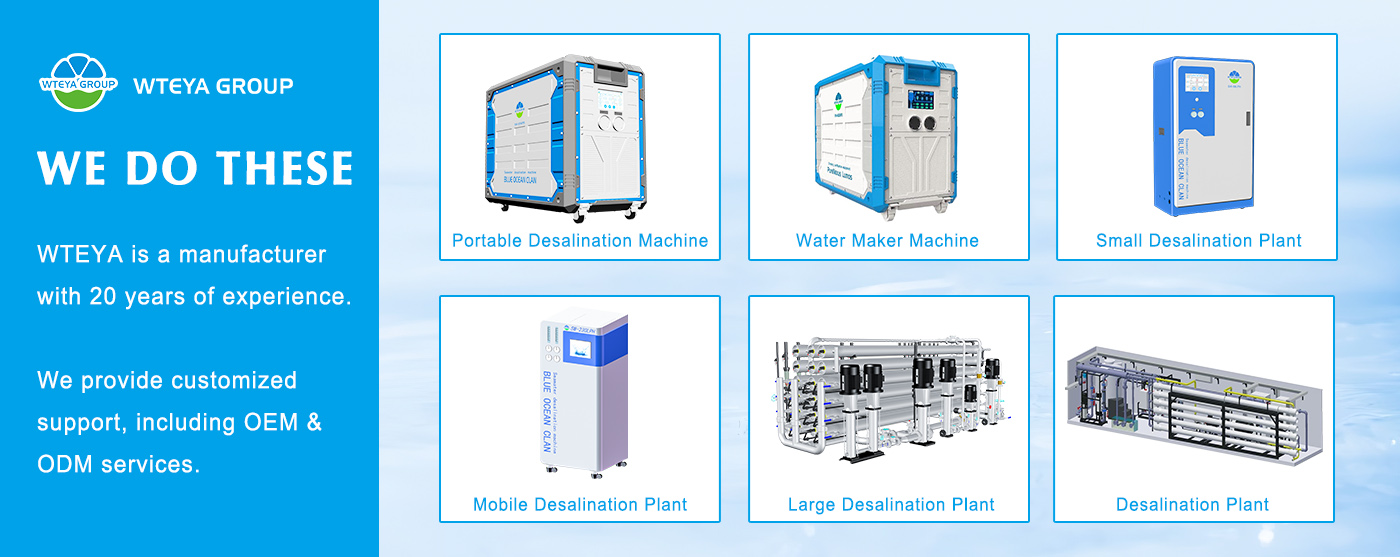
WTEYA emergency seawater desalination equipment changes this equation. Unlike bulk water deliveries that depend on intact roads and functioning supply chains, a mobile desalination unit produces fresh water on-site — from any available saltwater or brackish water source.
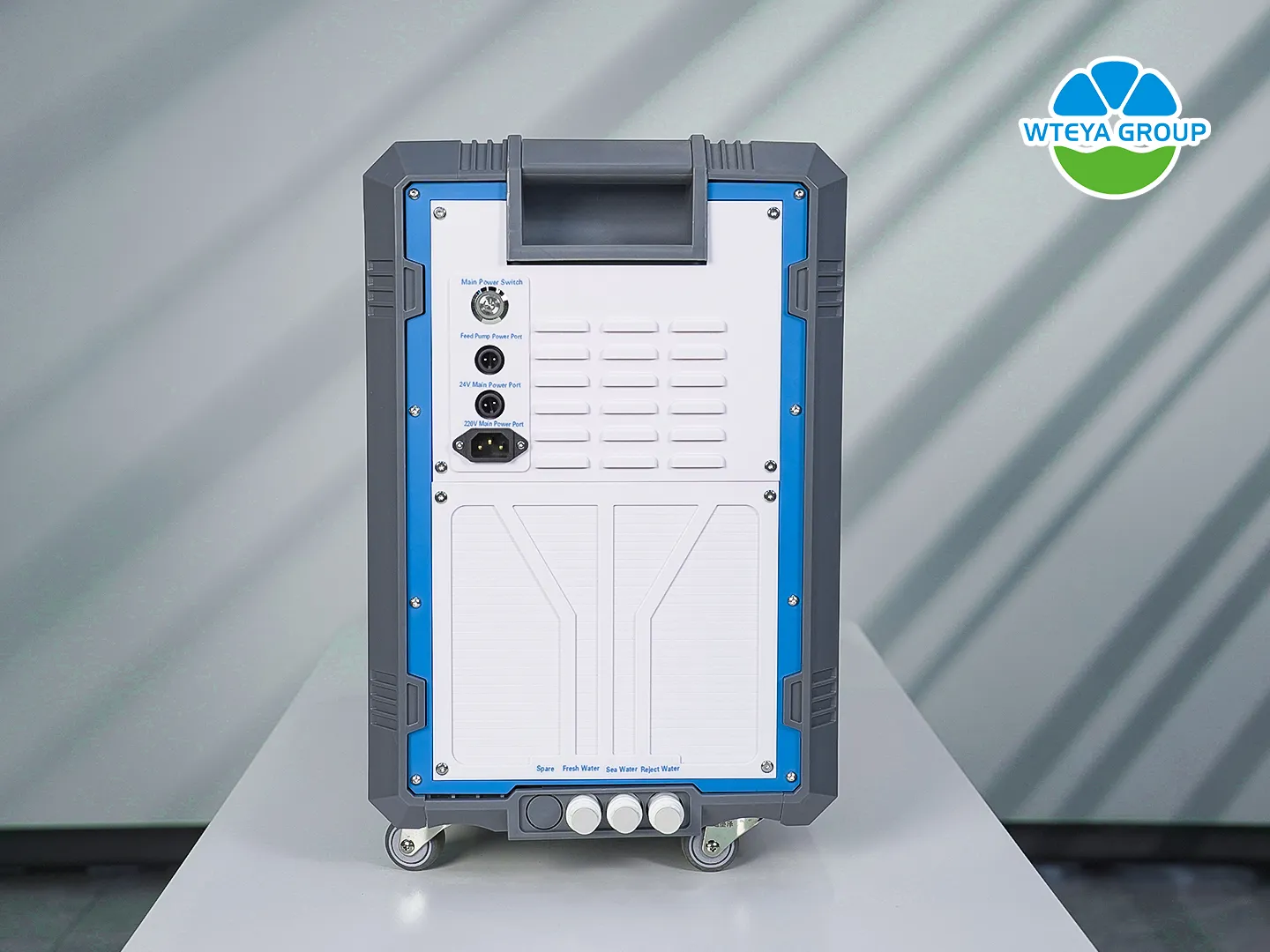
The system is built for rapid deployment. Packaged in a rugged, transport-ready frame, a single unit can be airlifted, trucked, or helicoptered into flood zones within hours of activation. Setup takes under 30 minutes with minimal training. Once running, it delivers a continuous stream of WHO-standard drinking water — no resupply convoys, no waiting for roads to clear.
Why Desalination Beats Traditional Flood Response
Conventional flood response water strategies fall into three categories, all with serious weaknesses. Bottled water is heavy, slow, and generates mountains of plastic waste. Tanker trucks can't reach cut-off areas. Portable purification tablets treat biological contaminants but do nothing about chemical pollutants, heavy metals, or saltwater intrusion that often accompanies coastal flooding.
A portable RO desalination unit handles all of these. The reverse osmosis membrane removes bacteria, viruses, heavy metals, dissolved salts, and chemical contaminants in a single pass. Whether the available water source is seawater, brackish floodwater, or a contaminated well, the output is consistently safe. For flood response teams, this means one piece of equipment replaces an entire logistics chain.
Key Advantages for Flood Response
Deploy within hours, not days. WTEYA emergency units are pre-assembled and tested before shipping. Response organizations can maintain standby inventory at regional warehouses and deploy immediately when floods hit.
Operate from any water source. Coastal floods bring seawater inland. Inland floods contaminate rivers and lakes. A desalination-based system doesn't care — it treats whatever water is available at the site, eliminating the need to locate and protect a clean source.
Continuous output without resupply. A single WTEYA unit produces fresh water 24 hours a day as long as it has power and a water intake. Diesel generator, solar array, or grid power — the system adapts to whatever energy source is available on the ground.
Applications in Flood Emergency Scenarios
Coastal cities hit by storm surge flooding face the unique challenge of saltwater contamination in their freshwater systems. Emergency desalination equipment provides an immediate bridging supply while municipal plants are repaired and flushed.
River basin communities experience the opposite problem — freshwater sources become toxic with agricultural runoff, industrial chemicals, and untreated sewage. Mobile RO systems strip these contaminants out, delivering safe water from sources that would otherwise be unusable.
Island nations and coastal regions cut off by flood-damaged infrastructure benefit from desalination's independence. The equipment can be delivered by boat or helicopter, set up on any accessible coastline, and begin producing water without waiting for road access to be restored.
Field hospitals operating in flood zones require medical-grade water for sterilization, wound cleaning, and patient hydration. The consistent quality output of an RO desalination system meets these clinical requirements where bottled water logistics would be unreliable.
Remote evacuation centers often host thousands of displaced people for weeks after a flood. A single WTEYA emergency desalination unit can supply the daily drinking water needs of an entire shelter population, freeing up relief logistics for food, medicine, and shelter materials.
📲 WhatsApp: +86-1800 2867 926
📧 Email: sales@wteya.com
🌐 Website: www.wteyaa.com