






Emergency Desalination: Rapid Water Response for Disaster Relief Teams
Emergency Desalination: Rapid Water Response for Disaster Relief Teams
When a natural disaster strikes, one of the first casualties is the water supply. Earthquakes rupture pipelines, floods contaminate wells, and hurricanes knock out treatment plants. Within hours, thousands of people face dehydration — and waterborne disease follows fast.
The Water Crisis After Disaster
Humanitarian teams arriving on the scene face a brutal reality: bottled water logistics collapse under the scale of demand. A single truck carries maybe 20,000 liters. A camp of 5,000 displaced people needs at least 75,000 liters per day just for drinking and basic hygiene. The math doesn't work.
Worse, coastal disasters compound the problem. Saltwater intrusion into groundwater leaves local sources undrinkable. Traditional relief approaches — airlifting pallets of bottled water — cost upwards of $0.50 per liter by the time fuel, transport, and handling are factored in.
Rapid Deployment Desalination Changes the Equation
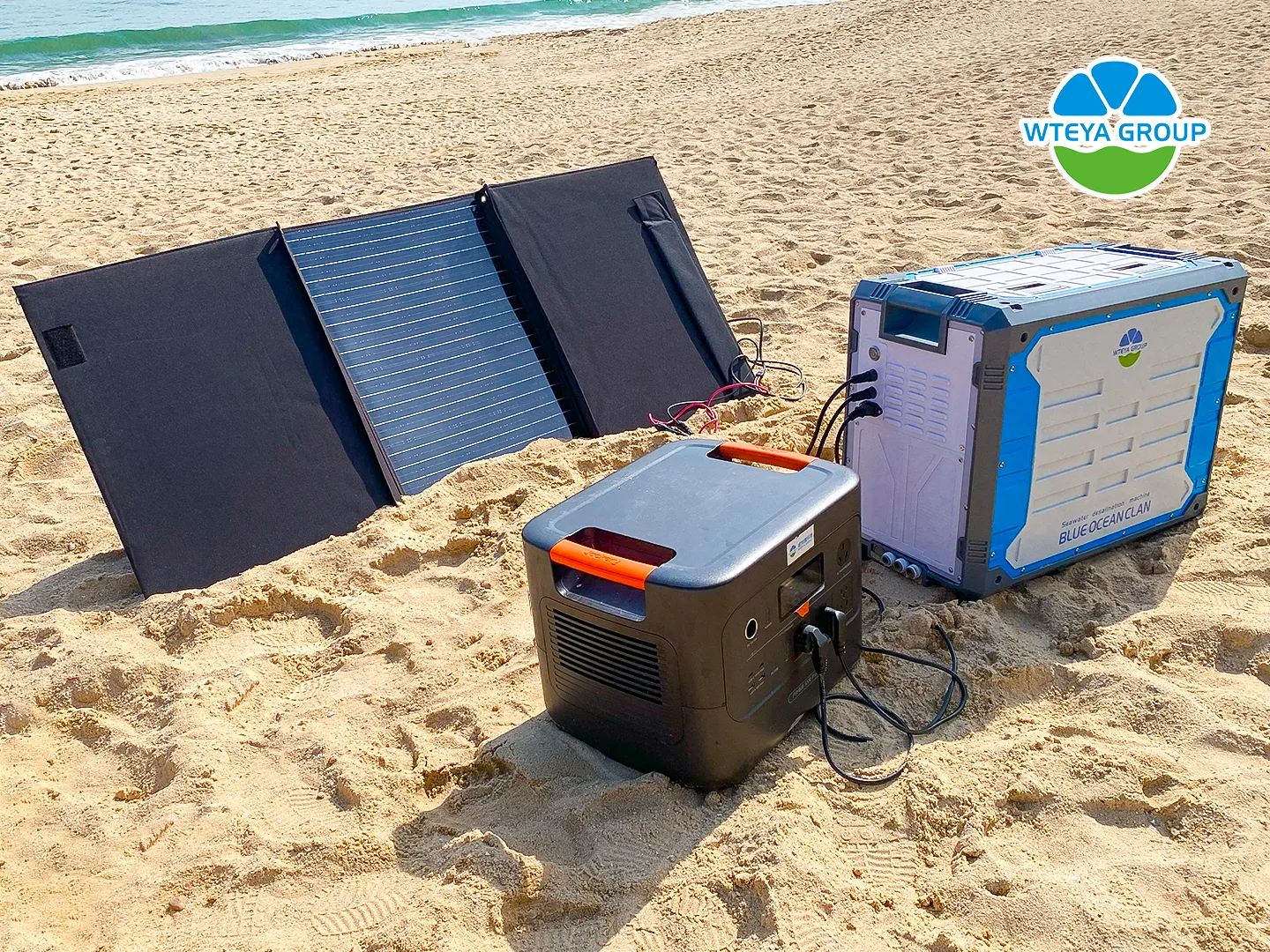
Unlike conventional desalination plants that take months to build, emergency desalination equipment is designed for speed. WTEYA emergency seawater desalination units pack into standard shipping frames, deploy in under four hours, and begin producing fresh water the moment they are connected to a power source.
The key difference is modularity. Each unit operates independently, so relief teams can scale capacity by adding more units as the situation evolves. A single emergency desalination module produces 5,000 to 50,000 liters per day — enough for 500 to 5,000 people from one compact system.
Why Emergency Desalination Outperforms Bottled Water
Cost per liter drops dramatically. Once deployed, an emergency RO desalination unit produces water at roughly $0.02–$0.05 per liter — a fraction of bottled water logistics. Over a two-week relief operation, the savings fund more medical supplies, more shelter, more food.
Independence from supply chains. Roads wash out. Ports close. Airports get overwhelmed. A self-contained desalination system runs on whatever power is available — generator, solar, or grid — and draws from an unlimited water source: the ocean.
Immediate disease prevention. Waterborne illness kills more disaster survivors than the disaster itself. On-site desalination eliminates the contamination risk that comes with transported and stored water. Reverse osmosis membranes remove bacteria, viruses, and dissolved salts in a single pass.
Built for the Chaos of Field Operations
Emergency water supply equipment has to work in conditions no commercial system would tolerate. WTEYA emergency desalination units feature ruggedized frames, corrosion-resistant piping, and simplified controls that require minimal operator training. Pre-filtration handles turbid source water — exactly what you find after a flood or tsunami.
Remote monitoring lets headquarters teams track output, membrane condition, and maintenance alerts from anywhere with satellite or cellular connectivity. When every hour matters, knowing your water production status without sending someone to check is not a luxury.
Where Emergency Desalination Makes the Difference
Coastal earthquake zones — where ground shaking destroys freshwater infrastructure but seawater is abundant. A portable desalination unit restores water supply days before aid trucks can navigate damaged roads.
Typhoon and hurricane response — island nations and coastal communities hit by storms face the double threat of destroyed infrastructure and saltwater flooding of wells. Emergency RO systems provide a bridge until groundwater recovers.
Refugee and IDP camps — protracted displacement means water supply cannot rely on temporary bottled water shipments. Containerized desalination gives camp managers a sustainable, scalable solution.
Military and peacekeeping deployments — forward operating bases near coastlines need water independence. Emergency desalination equipment eliminates vulnerable water convoys.
Remote island emergencies — when the only water source is the sea and resupply takes days, an emergency desalination system becomes the difference between crisis management and catastrophe.
The Right Technology for the Moment
Emergency desalination is not a replacement for long-term water infrastructure. It is the tool that buys time — time to rebuild pipelines, drill new wells, and restore treatment plants. For disaster relief teams, that time is measured in lives saved.
The combination of reverse osmosis efficiency, modular scalability, and field-ready engineering makes emergency desalination one of the most powerful tools in modern humanitarian response. When water is the first thing that fails, it should also be the first thing that comes back.
📲 WhatsApp: +86-1800 2840 855
📧 Email: sales@wteya.com
🌐 Website: www.wteyaa.com