







Brackish Water Desalination: Systems and Benefits
Brackish Water Desalination: Systems and Benefits
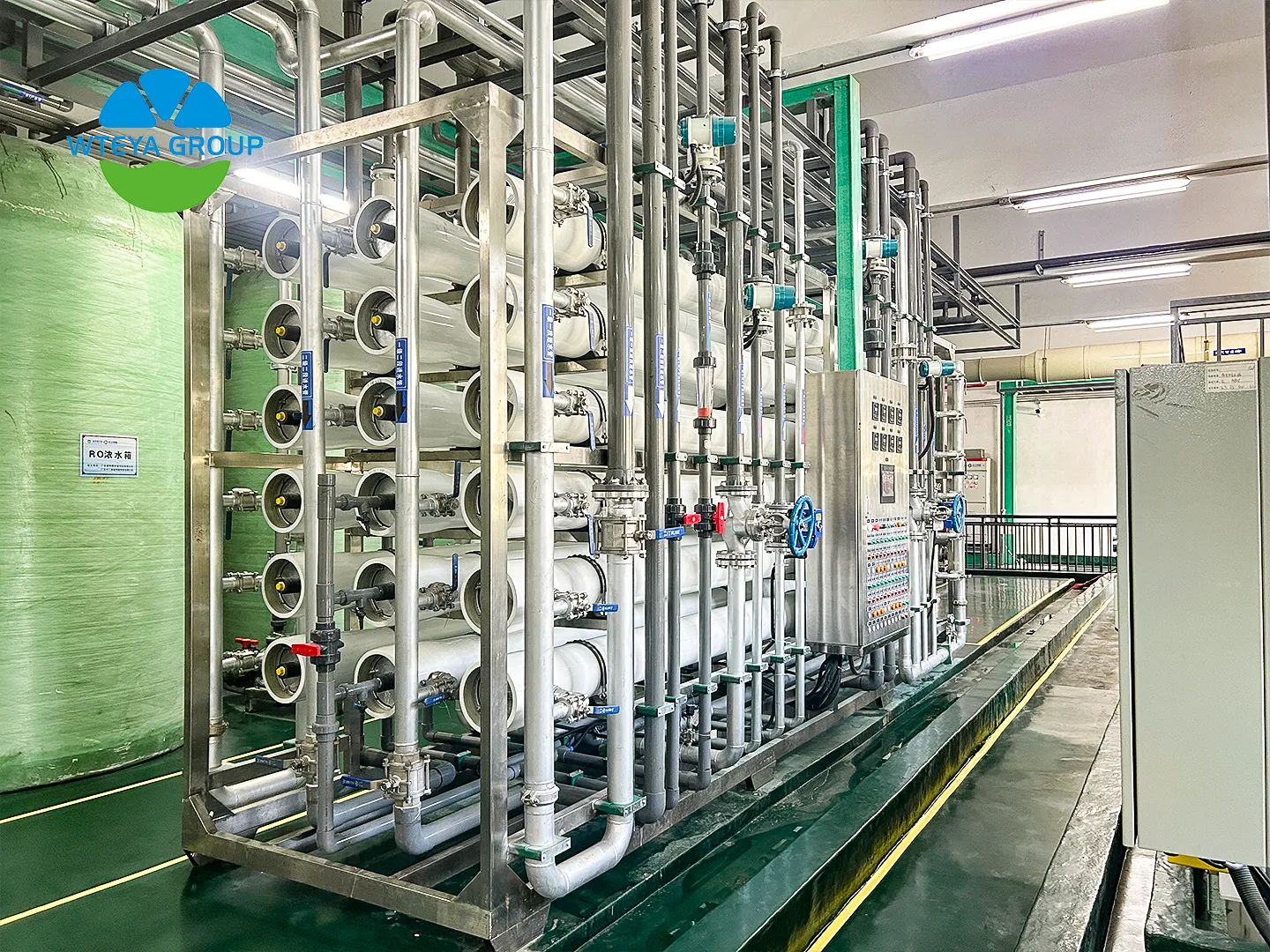
Brackish water is the resource most communities overlook. It sits underground or in estuary channels with a salt content far above what anyone can drink, yet well below the salinity of the open sea — and that is exactly what makes it attractive: it can be desalinated at lower pressure, with lower energy consumption and a higher recovery than seawater. Where the alternatives are trucking water in or drilling ever deeper into a saline aquifer, a brackish water desalination system turns a liability into a supply.
This guide explains what brackish water actually is, how a brackish water reverse osmosis system is built and controlled, which performance figures are realistic, and the applications where the investment recovers fastest.
🌊 What Counts as Brackish Water
Salinity decides whether a site needs filtration or desalination. Brackish water is normally defined as water with a total dissolved solids (TDS) content between 1,000 and 25,000 mg/L. Open seawater, by comparison, runs at 35,000 to 45,000 mg/L — several times saltier.
That gap changes the engineering. Lower salinity means lower osmotic pressure, so the membrane does not have to be pushed as hard: system recovery rises to 50–75% against 40–50% for seawater, and specific energy consumption falls to roughly 1–2 kWh per cubic metre. The membranes are different too — a brackish water element (BWRO) rather than a seawater element (SWRO), designed for lower operating pressure and higher flux per element.
Brackish sources are common and varied: inland saline groundwater, shallow wells affected by salt intrusion, estuary and river-mouth water, salt-affected drainage water from farmland, and the concentrated side-streams of industrial cooling systems.
⚙️ How a Brackish Water RO System Works
The process train is straightforward: pretreatment, high-pressure pump, BWRO membrane array, post-treatment. What makes brackish projects demanding is the front end, because inland brackish water frequently carries iron, manganese, silt, organics and hardness scale that foul membranes quickly if they are not removed first.
Pretreatment therefore typically combines multimedia filtration to remove suspended solids, cartridge filtration as a safety barrier, and antiscalant dosing to keep sparingly soluble salts in solution. Where iron and manganese are present, dedicated oxidation and removal stages are added ahead of the membranes. Clean feed water is then pressurised through the membrane array, where dissolved salts are rejected and permeate passes to storage, while the concentrate leaves for discharge, evaporation or reuse.
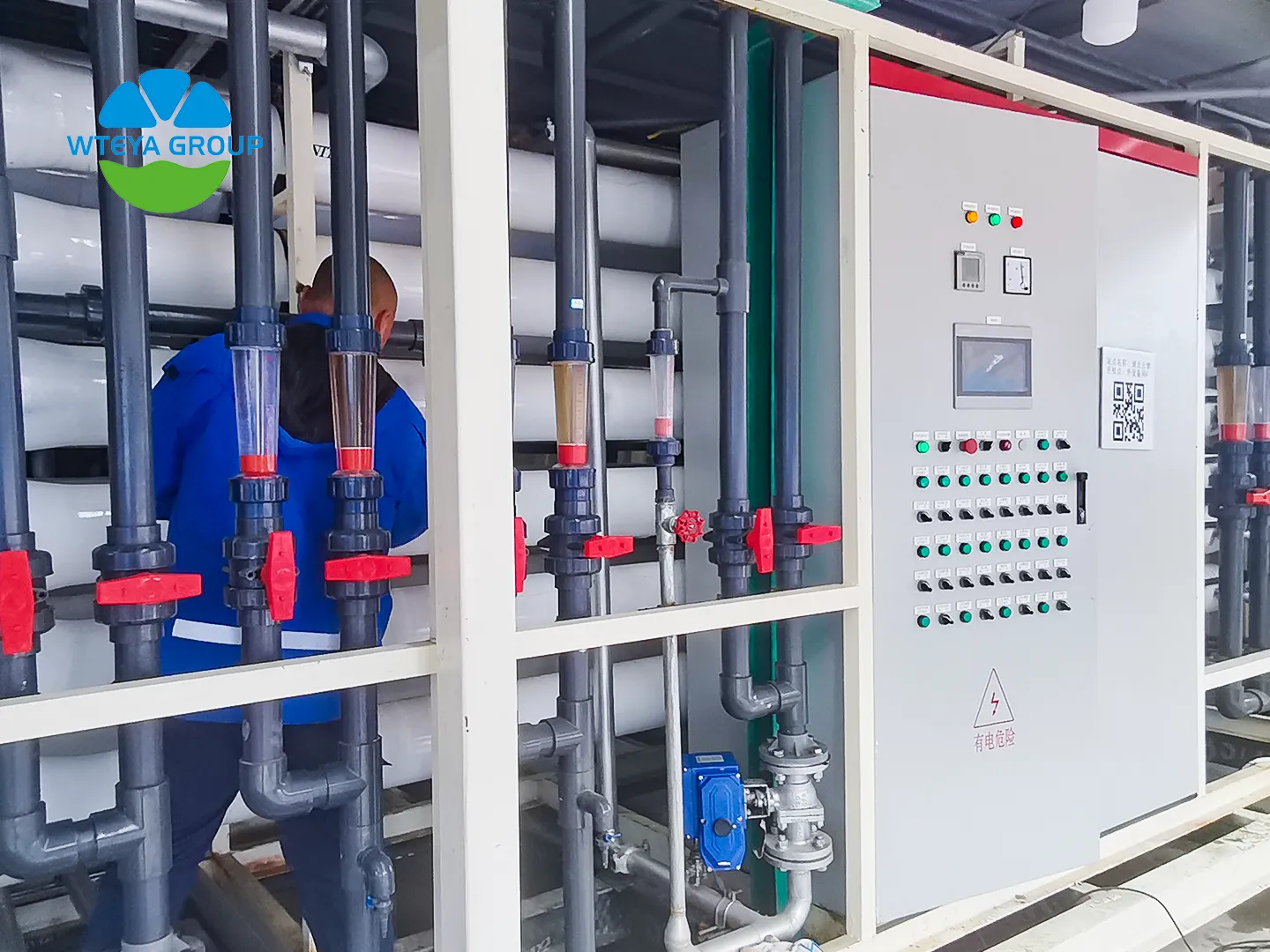
Control is normally fully automatic. A PLC manages start and stop from tank level, holds pressure and flow inside their set points and trips the plant on abnormal conditions — which is what allows small brackish systems to run unattended at a village, a farm or a remote industrial site.
📊 What a Brackish System Delivers
These are the figures that decide whether a project works in practice:
- Salt rejection of 99% or better from BWRO elements, giving product water below 200 mg/L TDS — within WHO drinking water guidelines.
- Recovery of 50–75%, so 100 cubic metres of feed yields 50 to 75 cubic metres of permeate, rather than the 40–50% typical of seawater duty.
- Specific energy of about 1–2 kWh/m³ on brackish feed, against 3–4 kWh/m³ for seawater.
- Modular capacity: a single 4040 element produces around 7–9 tonnes per day, and multiple elements in parallel reach 10–20 tonnes per day; packaged plant platforms of 5 m³/h (about 120 tonnes per day) and 10 m³/h (about 240 tonnes per day) are available with brackish membrane arrays.
- Friendly power requirements on small units — AC 220 V single phase at 16 A or more, with no three-phase supply needed; larger plants use three-phase 380 V.
- Membrane life of 2–5 years under a normal pretreatment and cleaning regime.
One consequence is worth stating plainly: because brackish feed is lighter than seawater, the same equipment running on brackish water generally produces more permeate at lower pressure, which is why operating costs come in below an equivalent seawater installation.
🏭 Where Brackish Water Desalination Pays Off
Inland communities with saline groundwater. Villages far from any coastline often have no fresh surface water and no deep fresh aquifer. A brackish system built around the local well gives them an independent supply instead of a permanent delivery contract.
Salt-affected farmland. Irrigation with high-salinity water damages soil structure and yields. Desalinating the source, or blending permeate with poorer water, keeps salinity within what crops can tolerate while leaving the drainage water usable rather than wasted.
Industry. Boiler make-up water, cooling circuit make-up and process water all have defined quality limits. Brackish RO supplies water that meets them without drawing on municipal or fresh-water resources, and reduces blowdown and chemical consumption at the same time.
Coastal and estuary sites. Seawater intrusion pushes coastal wells into the brackish range. A single plant configured with brackish elements handles the gradual salinity change as the interface moves.
Economically the case is usually settled by comparison. Trucked or shipped water in remote areas costs tens of yuan per tonne on a permanent basis; a brackish RO system converts that recurring bill into electricity, chemicals and consumables. Energy is the largest single operating cost in a desalination plant — roughly 60% of the tonne-water cost — and brackish duty attacks exactly that line item.
📦 Matching the System Format to the Site
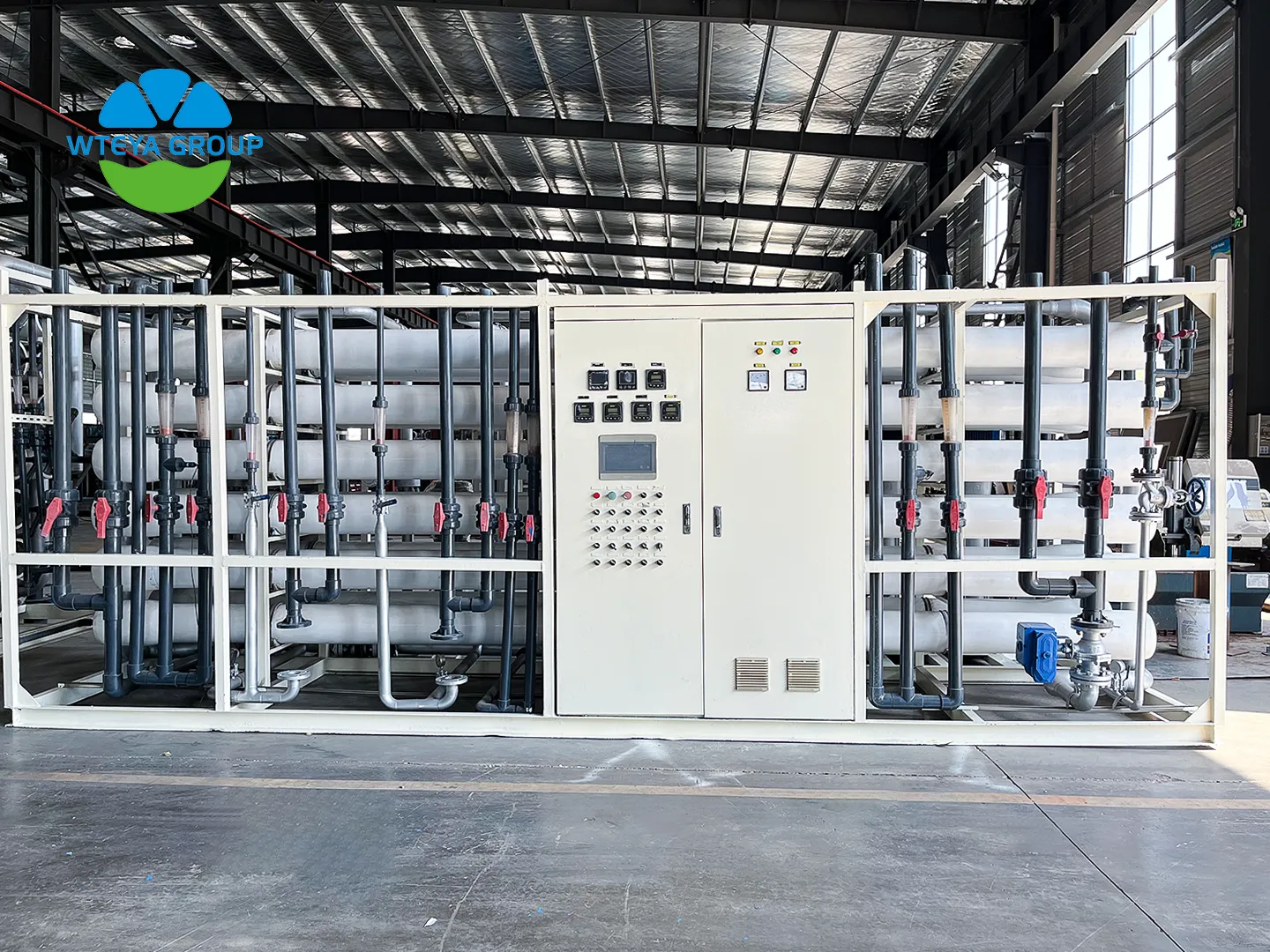
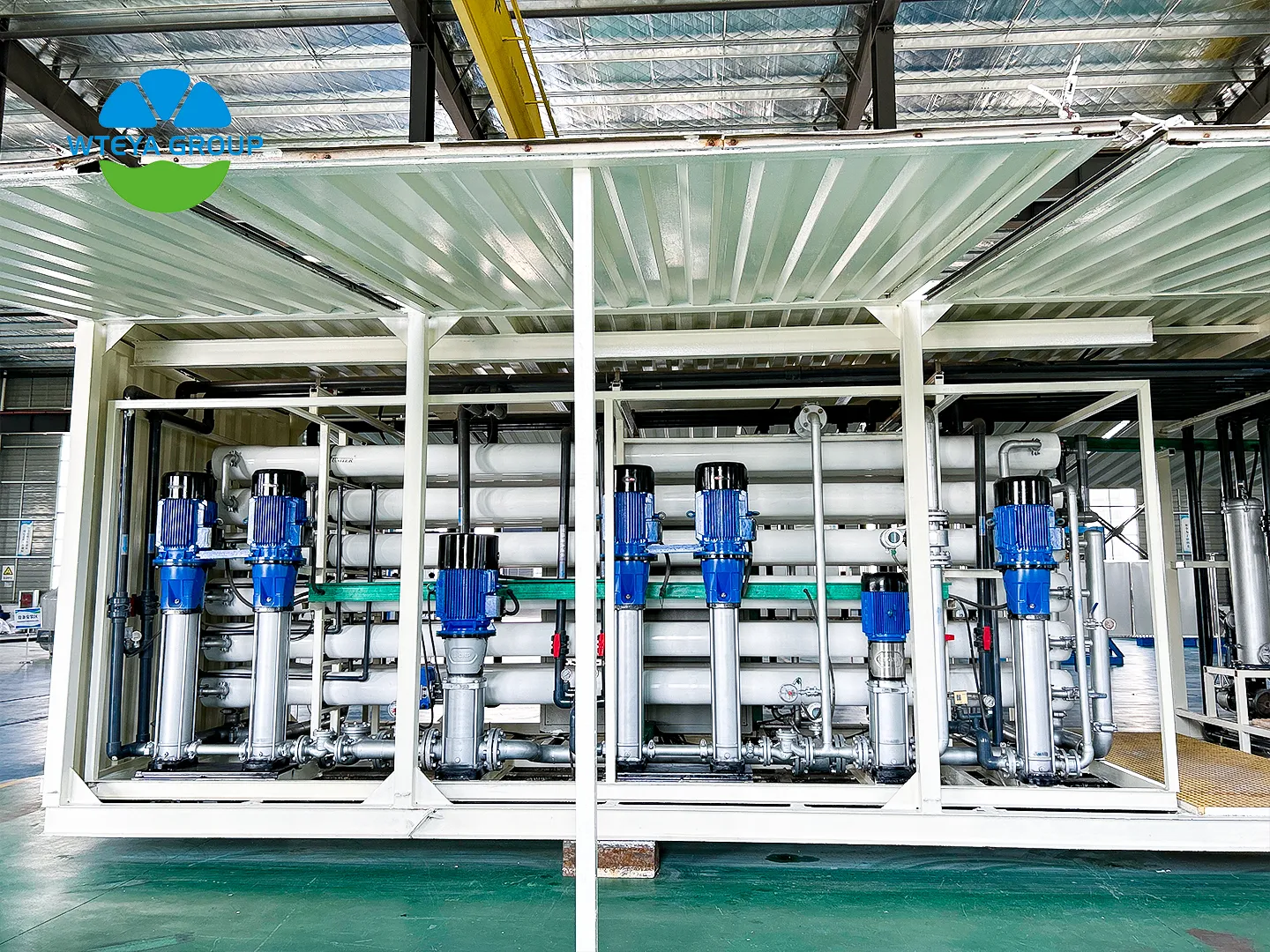
Brackish systems are supplied in the same three build formats as seawater plants, and the choice is about the site rather than the water: integrated (the complete plant on one steel platform), containerized (a 20 or 40 foot container that doubles as the equipment room) and skid-mounted (separate functional skids that can be expanded stage by stage as demand grows).
Containerized and integrated units arrive factory assembled and function-tested, so on-site work is typically limited to connecting feed water, power and outlet piping — normally 3 to 7 days for installation and commissioning. Where demand is small or scattered, a portable or trailer-mounted unit covers several points of use and can be relocated as a single package.
🏆 Why Choose WTEYA
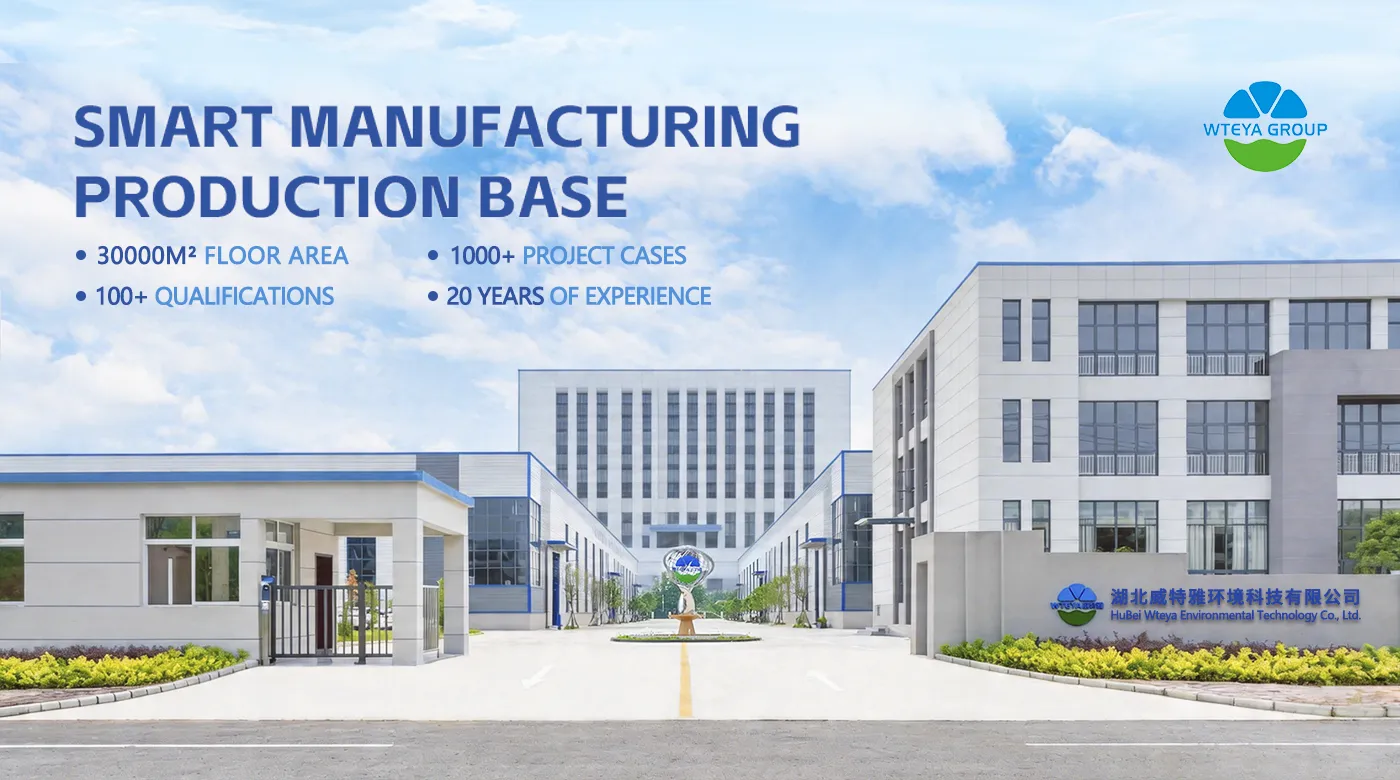
WTEYA has nearly 20 years of experience in water treatment and designs brackish systems around a measured water analysis — TDS, iron and manganese, hardness, silica, turbidity and temperature — because those figures, not a catalogue, determine the membrane selection, the pretreatment train and the recovery target. Equipment is delivered with a salt rejection rate of 99% or better, product water below 200 mg/L TDS, and automation that supports unattended operation.
Support continues beyond commissioning, with operator training, membrane replacement programmes and scheduled maintenance over the working life of the plant. Systems can be customised for a specific feed water, a specific site and a specific power supply, and enquiries are answered with a technical proposal based on your own water analysis rather than a standard configuration.
❓ Frequently Asked Questions
Can brackish water be desalinated with the same equipment as seawater?
Yes, with a different membrane. Brackish water of 1,000–25,000 mg/L TDS is treated with BWRO (brackish water reverse osmosis) elements, which are built for lower pressure and higher flux; seawater at 35,000–45,000 mg/L requires SWRO elements. A packaged plant platform can be configured for either duty.
How much water does a brackish system recover?
Recovery typically runs at 50–75%, compared with 40–50% for seawater, because the lower salinity imposes less osmotic pressure. Specific energy consumption is correspondingly lower, at roughly 1–2 kWh per cubic metre.
What pretreatment does brackish water need?
Multimedia filtration, cartridge filtration and antiscalant dosing as a minimum. Sources that carry iron, manganese or organic load need dedicated removal stages ahead of the membranes, and the design should always start from a laboratory analysis of the actual feed water.
🤝 Become a WTEYA Authorized Dealer
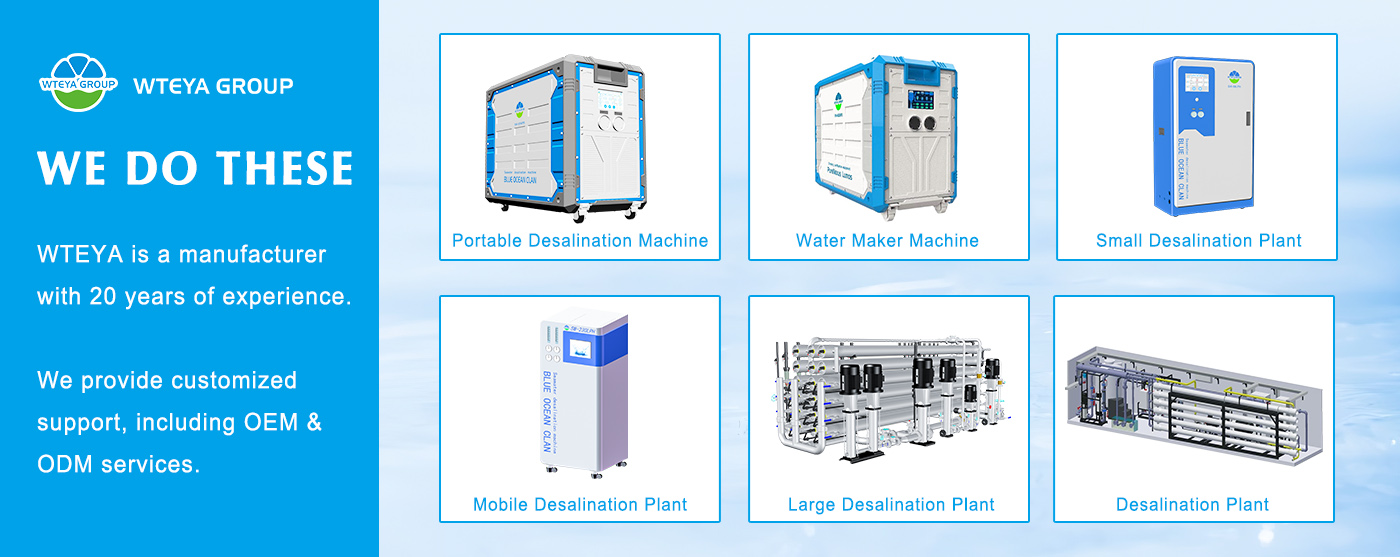
Brackish water projects are appearing inland as well as on the coast, wherever saline groundwater or estuary water is the only local source. WTEYA dealers serve that demand with a complete portfolio — portable water makers, small and large desalination plants, brackish water systems and containerized plants — backed by factory engineering support.
Dealers receive exclusive territory protection, competitive factory pricing, and product and application training. No previous desalination experience is required: the factory assists with system sizing, commissioning and after-sales service, and provides marketing materials, quotation support and a portal of reference projects. Applications are assessed on company background, target region and intended market segment.
To apply, contact our export team with your company information and target region, and we will follow up with a partnership proposal, price list and resource pack.
📲 WhatsApp: +86-1802 5185 143
📧 Email: sales@wteya.com
🌐 Website: www.wteyaa.com
Previous: Portable Water Maker for Yachts: Features to Look For
Next: No More