






Boat Water Maker Buying Guide: What to Consider
Boat Water Maker Buying Guide: What to Consider
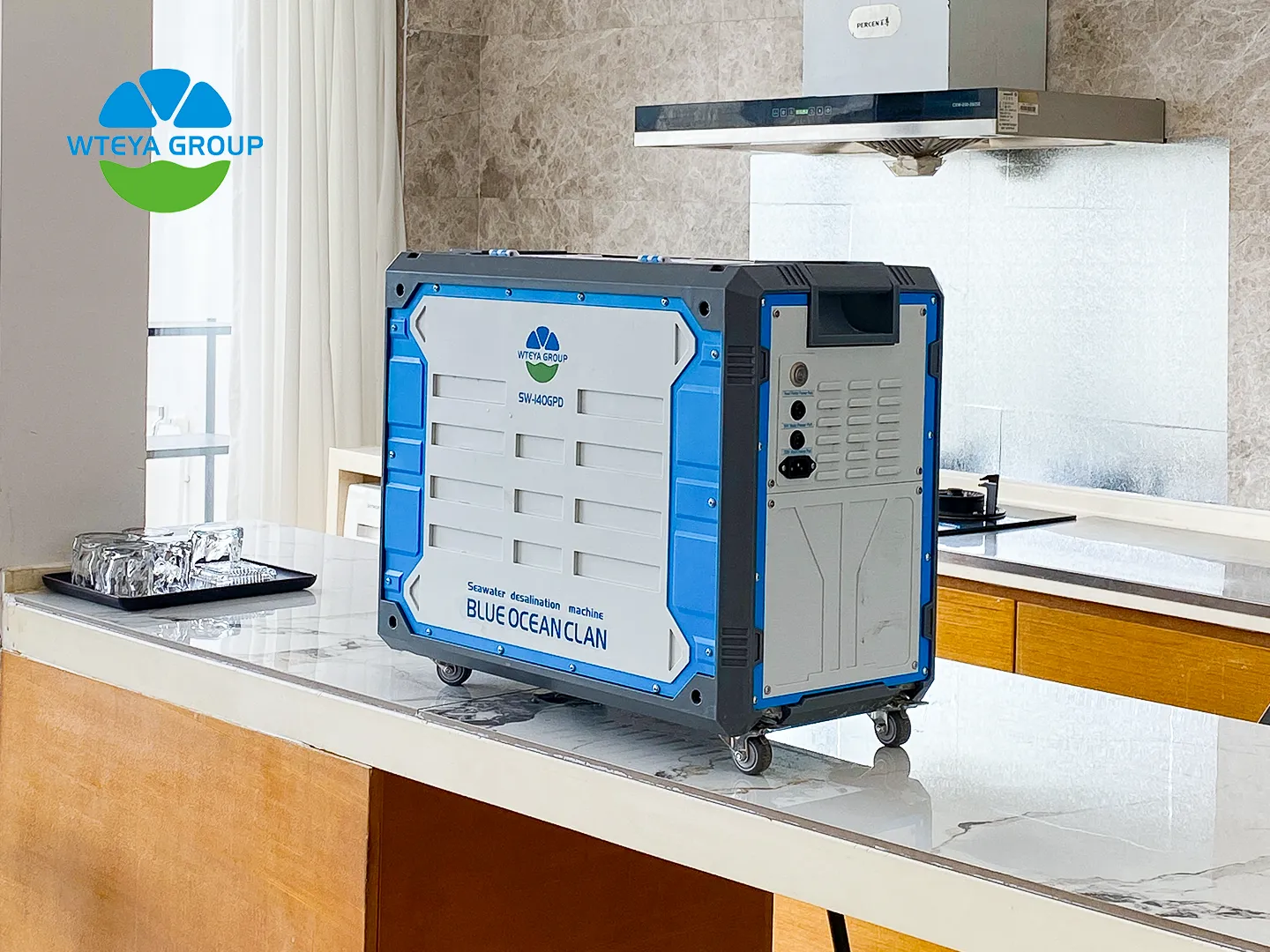
Fresh water decides how long a boat can stay at sea. A boat water maker converts seawater into drinking water directly onboard, freeing fishing boats, yachts and sailboats from port refills. WTEYA's portable seawater desalination machines produce 1–2 tons of fresh water per day, run on DC12V or DC24V ship power, and cut water cost to about 5–15 yuan per ton — far below the 50–200 yuan per ton often charged for port water. This guide walks through the five decisions that matter most when choosing a water maker for your boat.
Why Install a Water Maker on Your Boat
Fishing boats often stay out for days or weeks, and a fresh water tank of 10–50 tons sets the limit of every voyage. A desalination water maker takes seawater directly from over the side, so the crew's drinking, cooking and catch-washing water becomes self-sufficient. For a medium fishing boat, a 1–2 ton per day unit covers the daily needs of around 10 crew members, extends working time at sea and keeps the catch fresher. Yachts and sailboats gain the same independence: no more planning routes around water availability.
Step 1: Estimate Your Daily Water Demand
Start by counting the people onboard. A common rule is 50–100 litres per person per day for drinking, cooking and washing. For emergency or minimum rations, plan 5–15 litres per person per day. WTEYA offers two mainstream sizes: a 0.5–1 ton/day unit for 2–6 people, and a 1–2 ton/day unit for 6–15 people. Add a 20–30% safety margin to your estimate, then choose the nearest size — buying too small leaves you short, and buying too large wastes money.
Step 2: Match the Power Supply to Your Boat
Most fishing boats use a DC24V electrical system, while some smaller boats run DC12V. A boat RO system should match the battery voltage exactly — DC12V and DC24V pumps and motors are not interchangeable. WTEYA provides both voltage versions, so the unit connects directly to the ship battery without an extra inverter. For off-grid sailboats, choose the DC12V version with solar panels; size the solar array at 1.5–2 times the machine's power draw and keep enough battery capacity for 1–2 days of continuous production. A dedicated water-making battery is recommended so the starter battery is never drained.
Step 3: Check Installation Space and Seawater Intake
The unit is compact — about 0.5–1 m³ — and fits in an engine room, storage locker or under the deck. Reserve space for membrane housing replacement and an overboard brine discharge outlet; concentrate water is about 30–50% of the feed flow and must drain smoothly back to sea. Position the seawater intake away from bilge discharge outlets and muddy water zones, in a clean water layer, and keep the intake strainer clear to prevent oil and sand from fouling the membrane.
Water Quality and Maintenance
With salt rejection above 99%, product water TDS stays below 500 mg/L and bacteria removal exceeds 99.99% — safe to drink directly. Membranes typically last 2–3 years, PP filter cartridges cost about 200–600 yuan per year, and total annual maintenance is roughly 1,000–2,000 yuan. Note that RO output drops about 2–3% for every 1°C fall in seawater temperature, so boats working in cold waters should size up one level. For long idle periods, preserve the membrane with SMBS solution to prevent biological growth.
Why Choose WTEYA
WTEYA brings nearly 20 years of water treatment experience to marine desalination. Every boat water maker order includes selection calculation based on your crew size and power system, installation guidance, and after-sales support with remote diagnosis and a full spare parts supply — so the unit keeps producing water voyage after voyage.
Frequently Asked Questions
How much water does a boat water maker produce per day?
Portable models produce 0.5–1 ton/day for small boats and 1–2 ton/day for medium fishing boats and yachts. Large ocean-going vessels can parallel multiple units or upgrade to a 4040 membrane system for 5–10 tons per day.
Can a boat water maker run on solar power?
Yes. The DC12V version pairs with solar panels sized at 1.5–2 times the machine's power draw, plus batteries for 1–2 days of autonomy — a common setup on off-grid sailboats.
How much does it cost to make water onboard?
Electricity use is only 3–8 kWh per ton, so the total cost is about 5–15 yuan per ton including consumables — versus 50–200 yuan per ton for port-supplied water.
Become a WTEYA Authorized Dealer
The demand for marine desalination is growing fast with fishing, yachting and island tourism industries worldwide. WTEYA is recruiting authorized dealers for its desalination equipment line. Exclusive territories, competitive pricing, and full factory support — including product training for newcomers — are provided.
Become a WTEYA authorized dealer. Exclusive territories, competitive pricing, and full factory support.
To apply, send your company information and target region to our sales team. After a quick evaluation, qualified partners receive a cooperation agreement, a price list and access to the dealer resource portal.
📲 WhatsApp: +86-1802 5185 143
📧 Email: sales@wteya.com
🌐 Website: www.wteyaa.com