







Survival Desalination: Water Makers for Emergencies
Survival Desalination: Water Makers for Emergencies
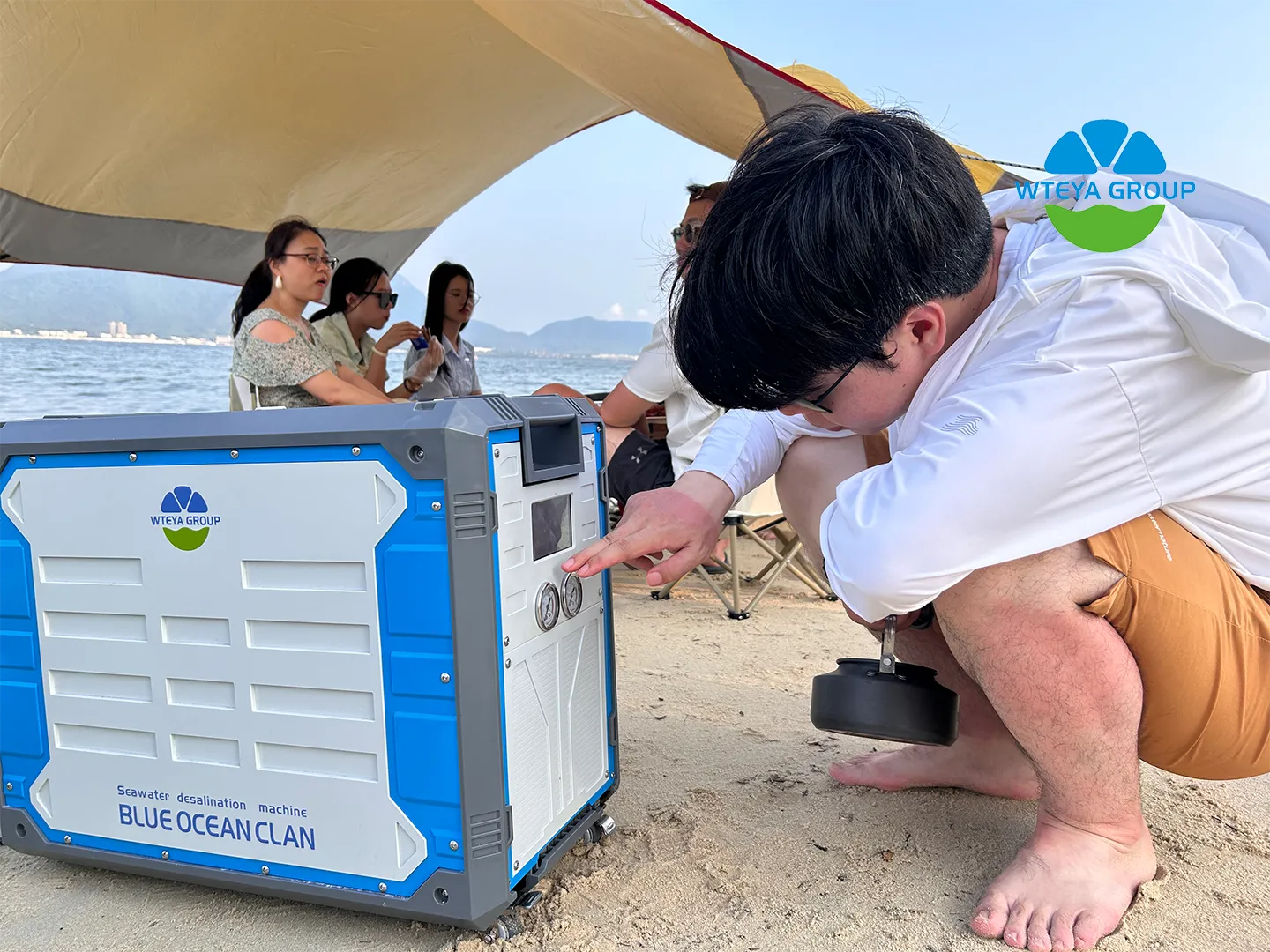
When the tap runs dry without warning, the problem is never the technology — it is access. A flood, a storm, a broken mains, a boat adrift or a remote camp with a failed supply all create the same emergency: people are surrounded by water they cannot drink. A survival-grade water maker solves that in the simplest possible way, turning seawater or brackish water into fresh water on the spot, with no fuel, no supply chain and no specialist to run it. This is why a compact portable seawater desalination machine belongs in the same conversation as a first-aid kit and a backup power supply.
Why Emergencies Break Normal Water Supply
Ordinary water infrastructure fails for predictable reasons. Treatment plants lose power, distribution pipes break, tankers cannot reach a cut-off area, and stored water runs out long before repairs are finished. In the first 72 hours after a disaster, bottled water is the usual answer — but bottles are heavy, finite and quickly exhausted, and the areas that need them most are often the hardest to reach.
Coastal and island settings have an advantage that is usually overlooked: an unlimited raw water source sits right there. If that source can be converted to drinking water locally, the emergency shifts from a logistics problem to a simple machine problem. That is exactly the gap a survival water maker is designed to close.
What a Survival Water Maker Actually Does
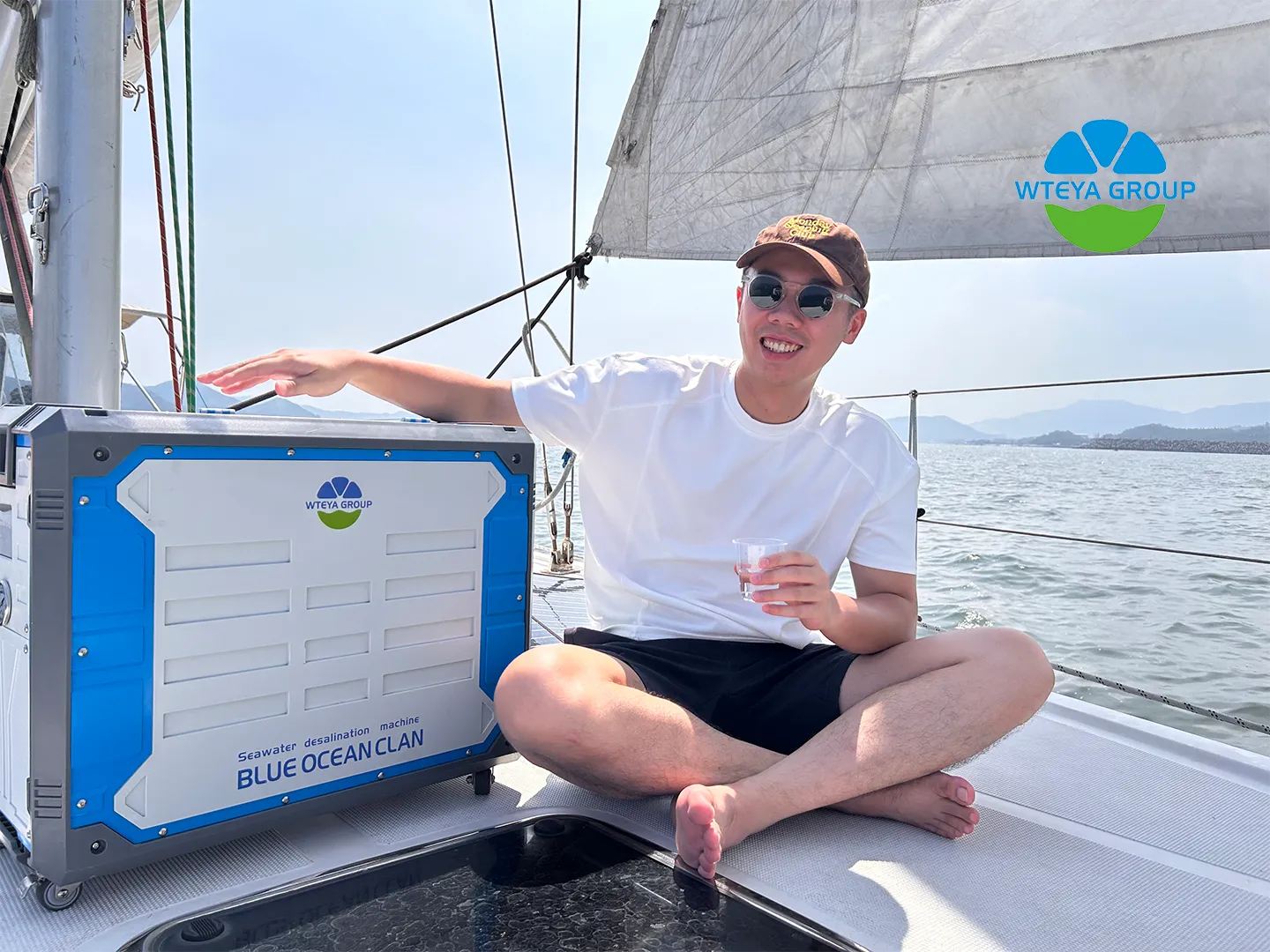
A survival water maker is a self-contained reverse-osmosis unit that presses seawater through a membrane fine enough to hold back dissolved salt. The engineering is the same as a full-scale desalination plant, scaled down to something one or two people can lift and start. The numbers are deliberately modest and repeatable: a machine rated at 300 gallons per day produces roughly 1,135 litres of fresh water in a day, enough drinking, cooking and hygiene water for five to eight people.
Water quality matters more in an emergency than in normal service, because there is no laboratory to check it. A properly built unit removes about 99.5% of dissolved salt and holds product-water TDS below 200 ppm, which is well inside safe drinking range even from feed water at the top of the seawater band, up to about 35,000 ppm. Because the machine works on pressure rather than heat, it needs no boiling, no fuel and no warm-up.
Built for Off-Grid and No-Power Conditions
The single most useful property of a survival desalination unit is that it can run from whatever power happens to be available. Three configurations cover almost every emergency:
- 24 V DC. Runs directly from a battery bank or a vehicle, which is the usual choice on a boat or in a mobile response vehicle.
- 220 V AC. Plugs into any available mains or generator supply once power is restored or a genset is running.
- Solar-powered. A panel and battery set makes the system fully independent, which matters most in the remote or cut-off locations where fuel deliveries stop first.
Energy demand is low enough to be practical on a modest power budget: around 3 to 4 kWh per cubic metre of fresh water produced. That is the figure that decides whether a solar array or a small battery can carry the load, and it is the reason membrane desalination, rather than distillation, is the right tool for an emergency.
Deployment: From Crate to Drinking Water
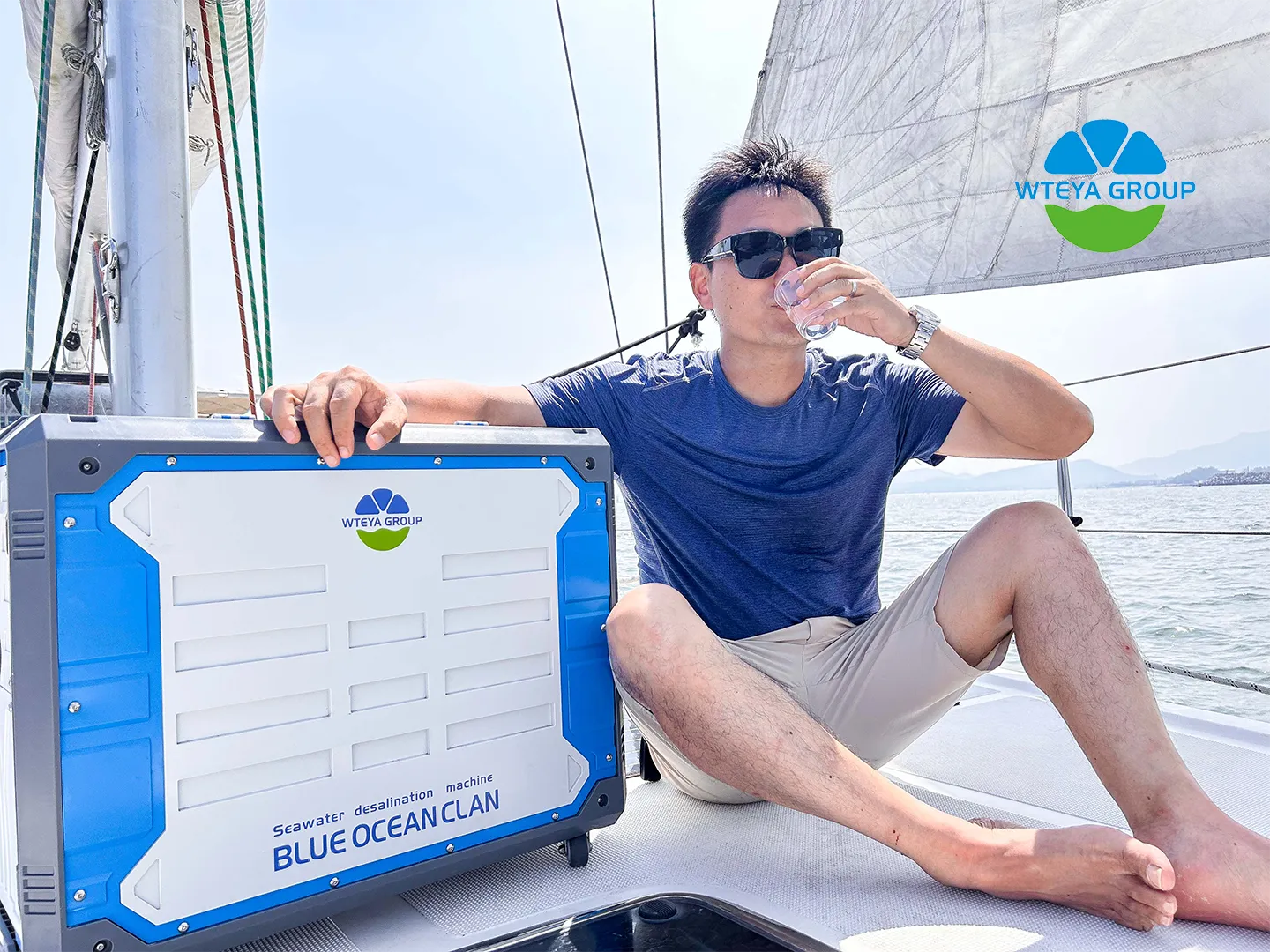
A survival-ready machine is designed to be started without training. The unit arrives crated with its pre-filters, membrane and fittings already assembled; the operator connects the intake to the raw water source, the outlet to a tank or container, and the power lead to the available supply. Within minutes the first fresh water is flowing.
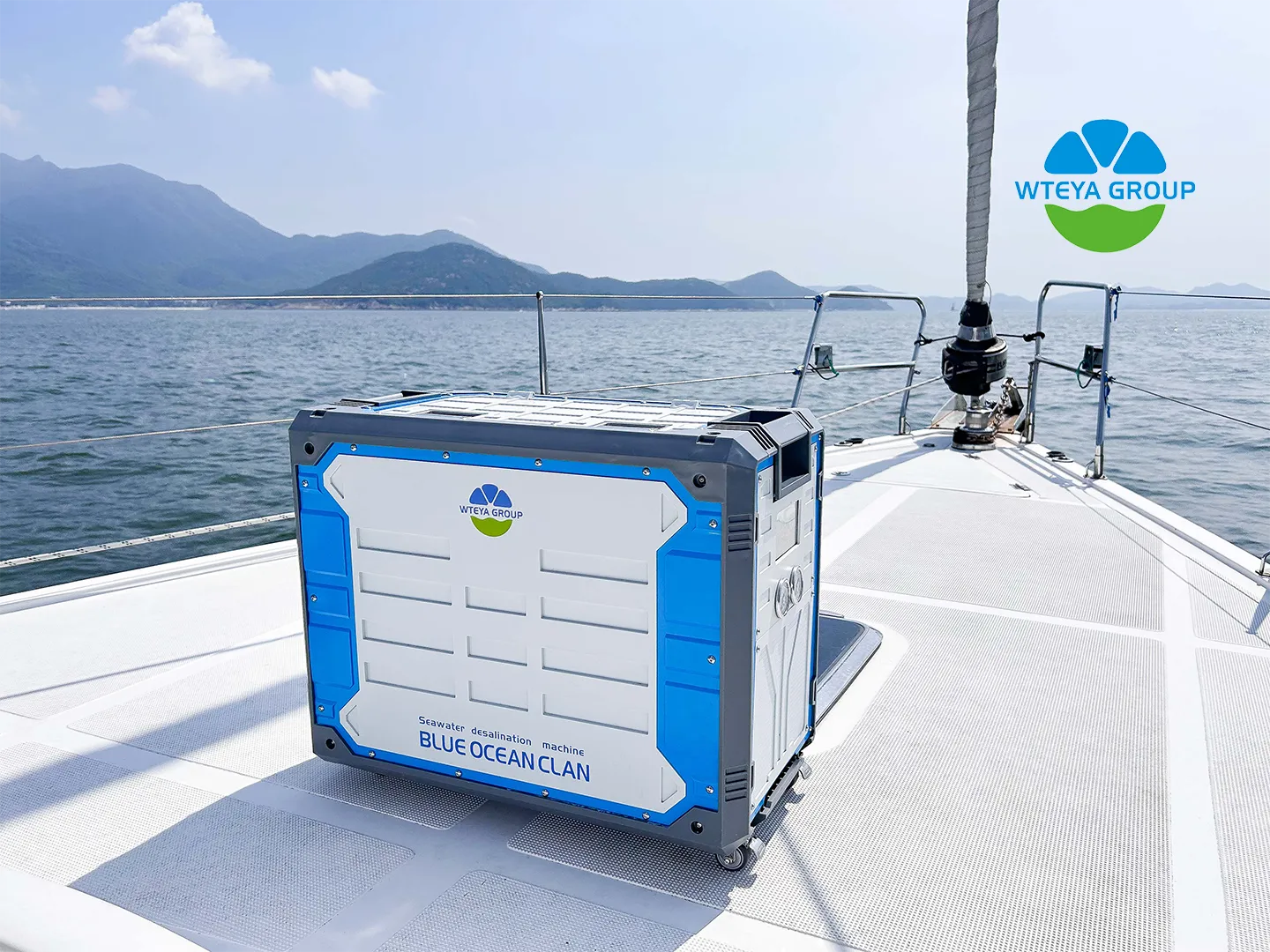
The physical package is deliberately small. A compact portable unit measures roughly 610 × 320 × 497 mm and weighs about 40 kg, so two people can move it, and it can be stored in a locker, a vehicle or a shelter. Pre-filters and the membrane are serviceable in place, which keeps field maintenance within the reach of a non-specialist.
Keeping a Standby Unit Ready for Years
An emergency machine is only useful if it works on the day it is needed, and that depends on how it is stored. The membrane must be preserved with a protective solution and sealed against drying and biological growth; the pre-filters should be replaced on schedule rather than left in place; and the unit should be run periodically so that pumps and seals do not seize.
Planned lifespans are long when this routine is followed. The RO membrane lasts three to five years, or about 3,600 running hours; UV lamps are rated above 3,000 hours; and the high-pressure pump needs an oil change every 500 hours. With a simple preservation and rotation habit, a stored water maker can sit ready for years and start on demand.
Frequently Asked Questions
Q: How much fresh water can a survival water maker produce?
A: A portable unit rated at 300 gallons per day produces about 1,135 litres daily — enough drinking, cooking and washing water for five to eight people, with reserve for refilling storage tanks.
Q: Does it need fuel or a trained operator?
A: Neither. Reverse osmosis runs on pressure, not heat, so there is no fuel and no boiler. Start-up is a matter of connecting the intake, the outlet and the power, which a non-specialist can do in minutes.
Q: What if there is no grid power at all?
A: The machine can run from a 24 V battery, from a 220 V generator, or from a solar panel and battery set — and at around 3 to 4 kWh per cubic metre, a small solar array is enough to keep it producing water.
Join the WTEYA Dealer Network
Become a WTEYA authorized dealer and offer relief agencies, coastal communities, marinas and outdoor operators a water maker that works when everything else has failed. We provide exclusive territories, competitive factory pricing and full factory support — technical training, sizing assistance, documentation, marketing material and after-sales backup.
Whether you already serve marine, municipal or humanitarian customers or want to add emergency water supply to your range, our team will help you size projects, prepare quotations and close the sale. Contact us to discuss territory availability and partnership terms.
📲 WhatsApp: +86-1802 5185 143
📧 Email: sales@wteya.com
🌐 Website: www.wteyaa.com
Previous: How to Size a Water Maker for Your Boat
Next: No More