






Solar Desalination: Zero-Cost Irrigation Water for Arid Coastal Farms
Solar Desalination: Zero-Cost Irrigation Water for Arid Coastal Farms
Coastal farming in arid regions faces a brutal paradox: surrounded by seawater yet starved for irrigation water. Diesel pumps and water trucking drain profits, while freshwater aquifers deplete rapidly. Solar desalination offers a way out — converting abundant seawater into irrigation-grade water using nothing but sunlight.
The Hidden Cost of Traditional Farm Irrigation
Arid coastal farms typically rely on three water sources: groundwater wells, diesel-powered desalination, or trucked-in freshwater. Each carries hidden costs that erode profitability season after season.
Groundwater in coastal zones is increasingly saline due to seawater intrusion. Pumping it damages crops and soil structure over time. Diesel desalination units guzzle fuel at rates that spike with global oil prices. Water trucks deliver inconsistent quality at premium prices — when they arrive at all.
For a 10-hectare coastal farm needing 50,000 liters per day, diesel desalination can cost upwards of $200 daily in fuel alone. Over a growing season, that is $30,000 or more evaporated into fuel costs.
How Solar Desalination Works for Agriculture
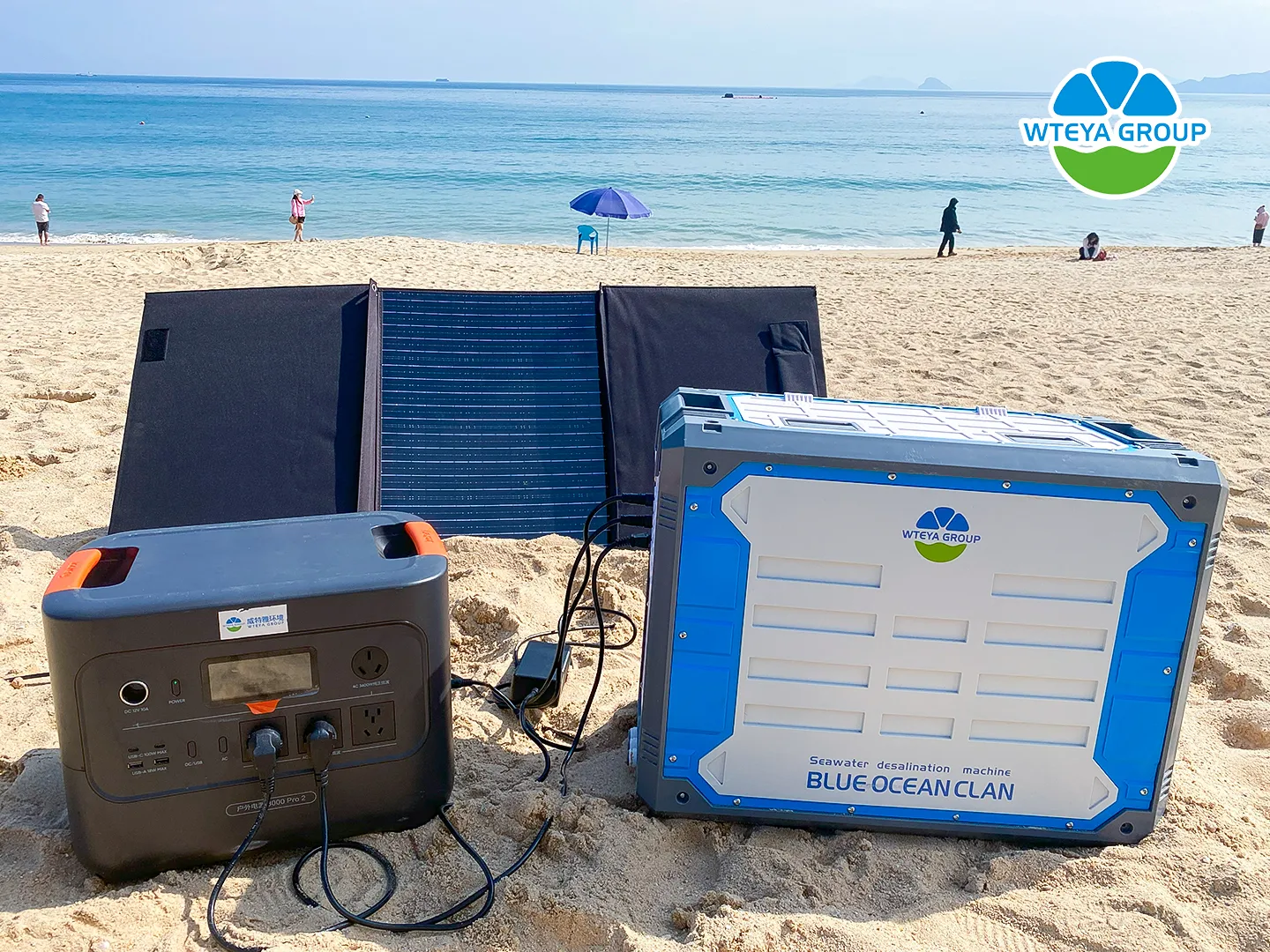
Solar-powered reverse osmosis systems use photovoltaic panels to drive high-pressure pumps that force seawater through membrane filters. The result is clean, low-salinity water suitable for drip irrigation — with zero fuel consumption.
Unlike grid-tied systems, solar desalination operates autonomously. Photovoltaic arrays charge battery banks during peak sunlight hours, storing enough energy to run the RO system through cloudy periods and even overnight. This makes solar desalination viable for remote coastal farms far from power infrastructure.
Key Advantages for Coastal Agriculture
Zero fuel cost: Once installed, a solar desalination system produces water at no marginal energy cost. Sunlight is free and unlimited in arid coastal zones — exactly where farms need water most.
Modular scalability: Systems can be sized from 1,000 to 100,000 liters per day. A small vegetable farm may need only a compact unit, while commercial operations can deploy multiple arrays in parallel.
Low maintenance: Solar panels have no moving parts and last 25+ years. RO membranes require replacement every 3-5 years but involve no specialized labor. Compared to diesel engines needing frequent oil changes and filter replacements, solar systems dramatically reduce operational headaches.
Water quality control: Solar RO systems reduce TDS (total dissolved solids) to levels safe for sensitive crops. Drip irrigation combined with desalinated water prevents salt buildup in root zones, protecting long-term soil health.
Ideal Applications
Greenhouse operations: Solar desalination delivers the consistent, low-TDS water that hydroponic and greenhouse systems require, without fuel logistics.
Orchard irrigation: Date palms, citrus, and olive groves along arid coastlines benefit from steady water supply independent of rainfall cycles.
Vegetable farms: Drip-irrigated vegetable plots achieve higher yields with desalinated water, as salt stress drops to near zero.
Livestock water: Remote coastal ranches can provide clean drinking water for cattle and sheep without transporting it by truck.
Solar desalination transforms the economics of coastal farming. By eliminating fuel costs and delivering reliable water quality, it lets farmers reclaim land that was previously too expensive to irrigate. For operations of any size, the payback period typically falls between 2 to 4 years — after which every liter of water is essentially free.
📲 WhatsApp: +86-1800 2840 855
📧 Email: sales@wteya.com
🌐 Website: www.wteyaa.com