






Solar Desalination: Sustainable Water Supply for Eco-Friendly Resorts
Solar Desalination: Sustainable Water Supply for Eco-Friendly Resorts
Eco-resorts face a difficult trade-off. Guests expect abundant fresh water — for showers, pools, laundry, and landscaping — yet the resort's sustainability credentials demand minimal environmental impact. Trucking in bottled water or running diesel-powered desalination units contradicts the very ethos these properties market to guests. The tension between luxury and responsibility is real, and it only grows as coastal destinations tighten water-use regulations.
The Hidden Water Cost of Sustainable Tourism
A mid-sized beachfront resort consumes 500 to 2,000 cubic meters of fresh water monthly. When that water comes from municipal supplies, it strains local infrastructure already serving resident communities. When it comes from groundwater wells, it risks saltwater intrusion into coastal aquifers. Traditional desalination solves the supply problem but creates a new one: a single diesel-powered RO unit can burn thousands of liters of fuel per year, undermining the resort's carbon-neutral claims and adding unpredictable operating costs.
Solar Desalination: Aligning Water Supply With Sustainability
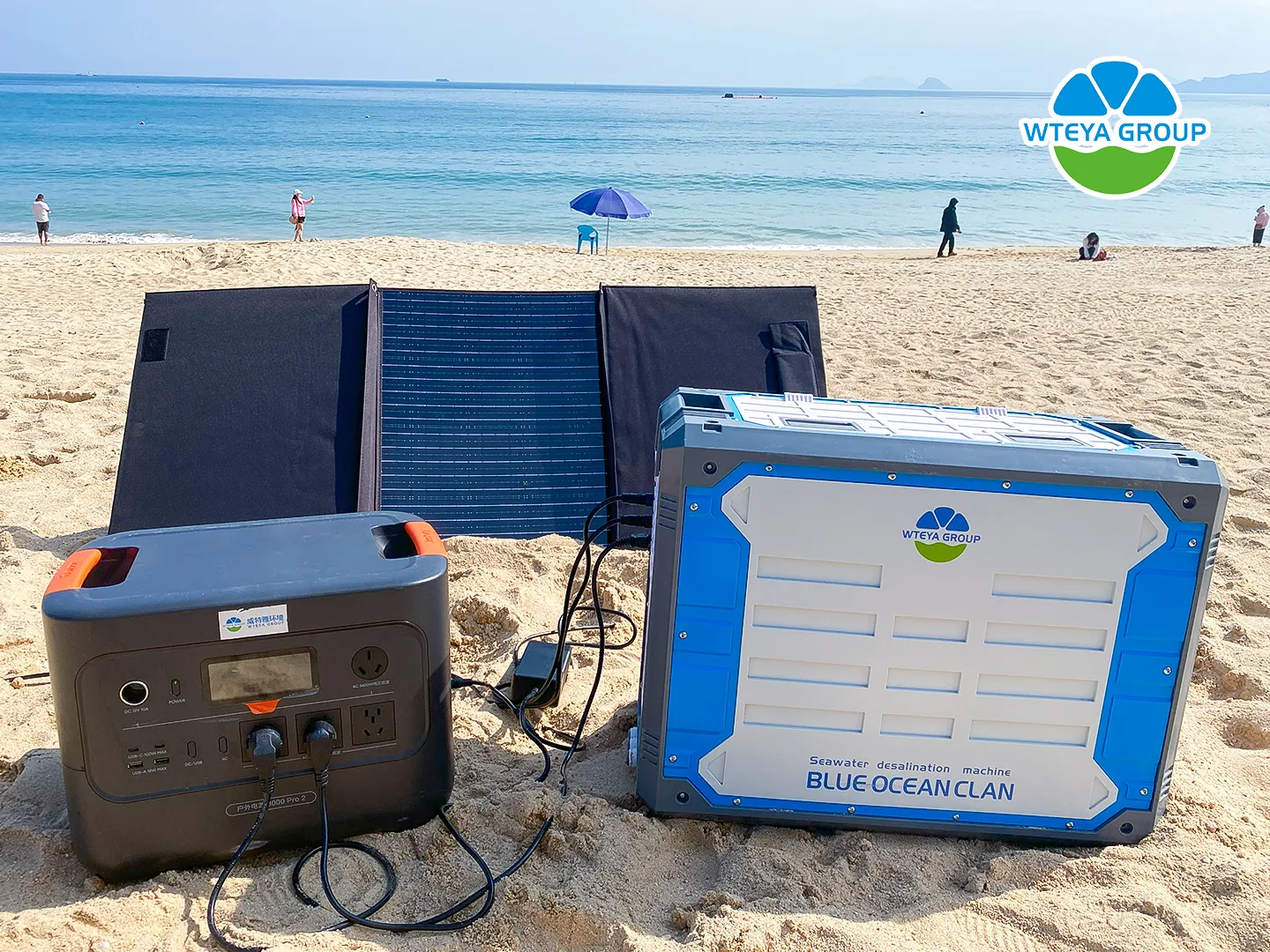
Solar seawater desalination systems pair photovoltaic panels with reverse osmosis membranes to produce fresh water using zero fossil fuel. Unlike conventional desalination plants that run on grid power or diesel generators, a solar-powered RO system harvests energy directly from sunlight — the very resource most coastal resorts have in abundance. WTEYA solar desalination equipment integrates PV arrays, energy storage, and high-recovery RO membranes into a single turnkey package sized for hospitality operations. The system runs silently, produces no emissions, and requires minimal operator attention.
How a Solar-Powered RO System Works
During daylight hours, solar panels generate DC electricity that powers a high-pressure pump. Seawater passes through pre-filtration stages — sediment and carbon filters — before entering the RO membrane stack. The membranes separate pure water from salt and impurities at the molecular level. Excess energy charges a battery bank that keeps the system running through cloudy periods and into the evening. The result is a continuous fresh water supply that costs nothing in fuel and leaves no carbon footprint.
Why Eco-Resorts Choose WTEYA Solar Desalination
Zero energy cost after installation. Once the solar array and RO system are commissioned, the only recurring expenses are routine filter changes and membrane replacement every three to five years. This predictability simplifies budgeting and protects against diesel price volatility.
Genuine sustainability marketing. Guests increasingly research a property's environmental practices before booking. A solar desalination system is a visible, verifiable commitment that strengthens brand positioning and supports eco-certification applications such as Green Key or LEED.
Regulatory compliance made easy. Many coastal regions now restrict groundwater extraction and mandate water reuse or alternative sourcing for new resort developments. A solar RO system satisfies these requirements while future-proofing the property against tighter rules.
Quiet, unobtrusive operation. WTEYA solar desalination units produce no engine noise or exhaust — a critical advantage for resorts where tranquility is part of the guest experience.
Applications Across the Hospitality Sector
Beachfront boutique hotels use compact solar RO units to supply guest rooms, kitchens, and infinity pools without tapping the municipal grid.
Island eco-lodges that are completely off-grid rely on solar desalination as their sole water source, eliminating the need for supply boats or helicopter water drops.
Coastal wellness retreats pair solar desalination with rainwater harvesting to create closed-loop water systems that align with holistic sustainability philosophies.
Dive resorts and marine research stations use solar RO systems to provide drinking water and equipment rinse water in remote locations where infrastructure does not exist.
For resort operators, the choice is increasingly clear. Solar desalination turns an operational liability — water supply — into a competitive asset that lowers costs, strengthens brand value, and protects the coastal environment that draws guests in the first place.
📲 WhatsApp: +86-1800 2867 926
📧 Email: sales@wteya.com
🌐 Website: www.wteyaa.com