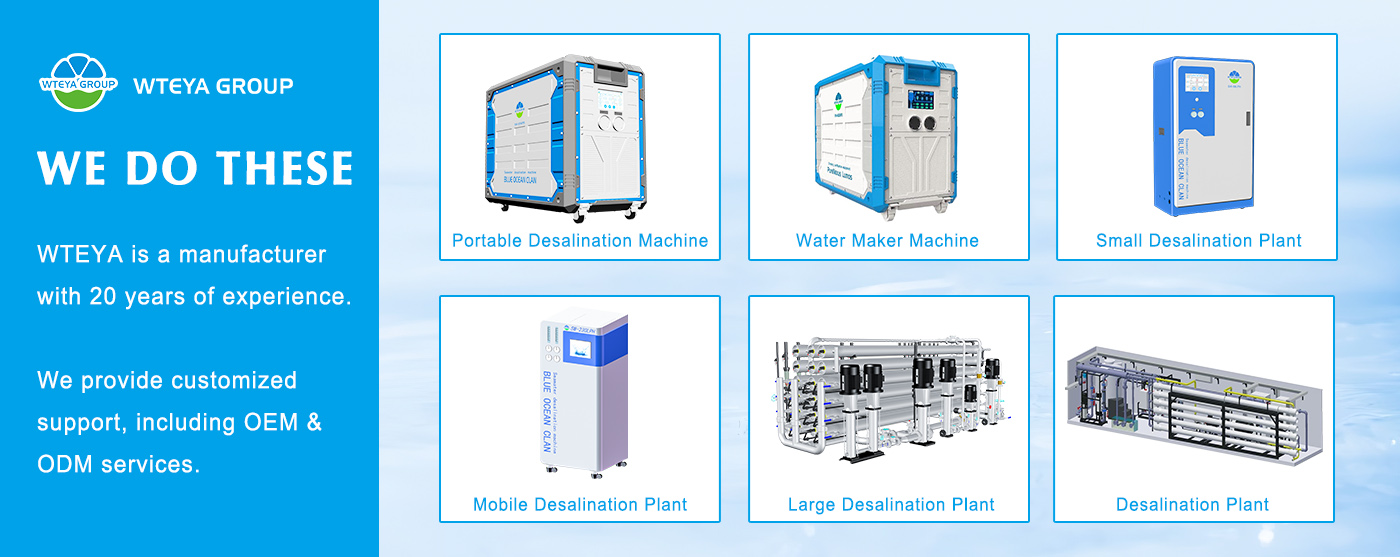







Solar Desalination: Clean Water for Remote Coastal Villages
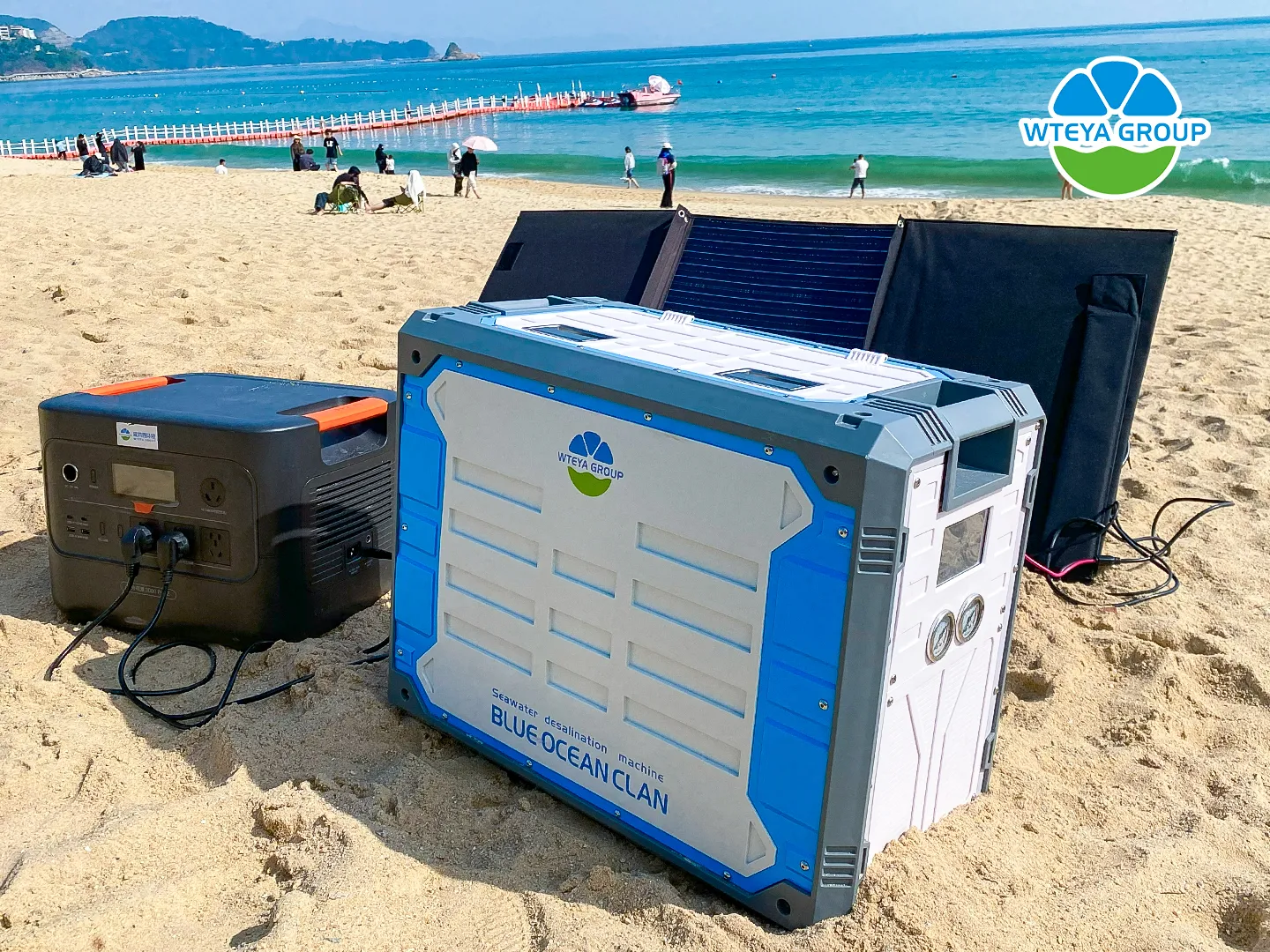
Solar Desalination: Clean Water for Remote Coastal Villages
Remote coastal villages often face a daily water crisis. Fresh groundwater is scarce or contaminated by salt intrusion, and surface sources dry up in tourist seasons. Trucking water in by ferry or road is expensive, unreliable, and leaves communities dependent on schedules they cannot control.
WTEYA solar desalination systems change the equation entirely. By pairing photovoltaic panels with compact reverse osmosis units, they deliver clean drinking water from the sea using only sunlight.
The Real Cost of Water in Isolated Coastal Areas
For many villages, every liter of drinking water travels long distances before reaching a tap. Transport costs can make up more than half of the household water budget. When storms disrupt logistics or roads flood, families are left rationing for days.
Diesel-powered desalination is another common choice, but it ties communities to fuel deliveries, noisy generators, and rising energy costs. The long-term expense often makes the system unsustainable.
How Solar Desalination Works
WTEYA solar desalination units use solar panels to power high-efficiency RO membranes. Seawater is filtered, pressurized, and separated into fresh water and brine. The process requires no grid connection and no diesel fuel.
Battery storage or hybrid backup options keep the unit running during cloudy periods. Modular design means capacity can start small and expand as the village grows.
Why Coastal Villages Choose Solar Desalination
- Energy independence: No fuel deliveries, no generator noise, and no electricity bills.
- Predictable costs: After installation, the main input is free sunlight.
- Scalable capacity: Systems range from a few hundred liters per day for small settlements to thousands of liters for larger communities.
- Simple operation: Automated controls and remote monitoring reduce the need for on-site technicians.
Where It Fits Best
- Remote fishing villages with no piped water supply
- Coastal settlements where groundwater is brackish
- Island communities dependent on rainwater catchment
- Small resorts and eco-lodges seeking self-sufficient water
- Off-grid humanitarian or research outposts
Building a Reliable Water Future
Clean water should not depend on fuel trucks or weather patterns. Solar desalination gives coastal villages a steady, renewable source of drinking water that matches their location and lifestyle.
📲 WhatsApp: +86-1800 2840 855
📧 Email: sales@wteya.com
🌐 Website: www.wteyaa.com