






Mobile Water Treatment: Clean Water for Remote Field Hospitals and Clinics
Mobile Water Treatment: Clean Water for Remote Field Hospitals and Clinics
Remote field hospitals and mobile clinics operate in places where municipal water does not exist. Without reliable purification, sterile procedures, patient hydration, and instrument cleaning become impossible. A mobile water treatment unit brings certified clean water directly to these temporary medical facilities, ensuring continuous care in isolated locations.
The Water Challenge for Field Medical Facilities
Mobile clinics often serve villages, frontier regions, or temporary settlements far from piped infrastructure. Surface water and borehole sources may contain bacteria, sediment, or high dissolved solids. Boiling water is time-consuming and cannot remove salts or chemical contaminants. Purchasing bottled water is expensive and logistically difficult to transport over rough terrain. A single point-of-use system that treats local water on-site solves all of these problems at once.
How Mobile Water Treatment Works on Site
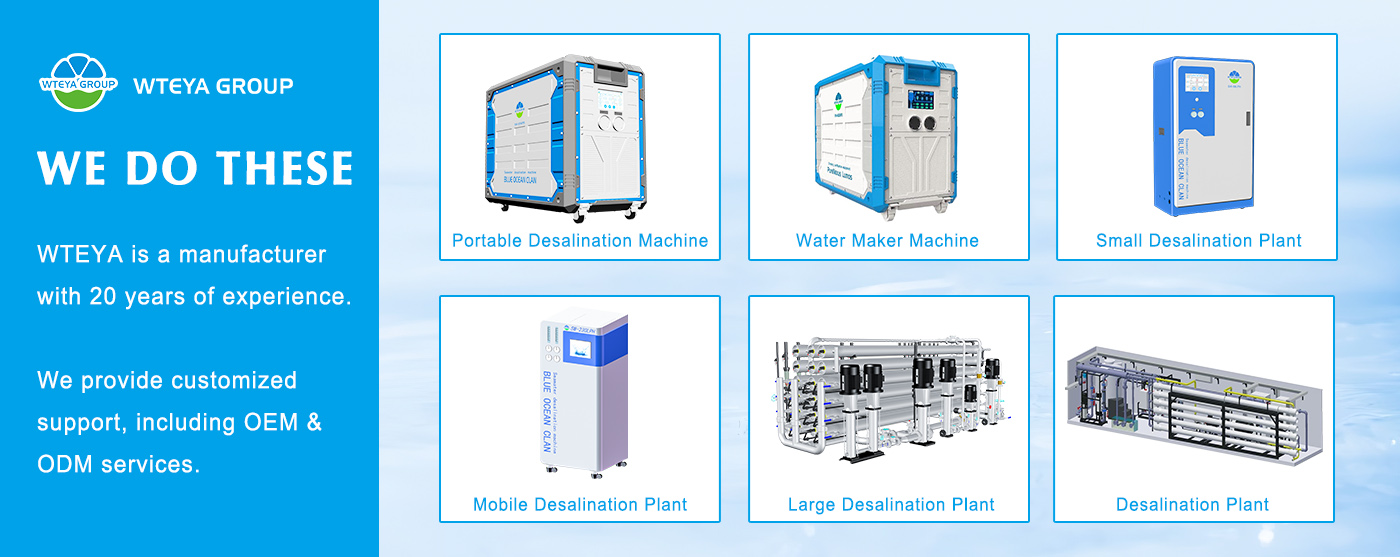
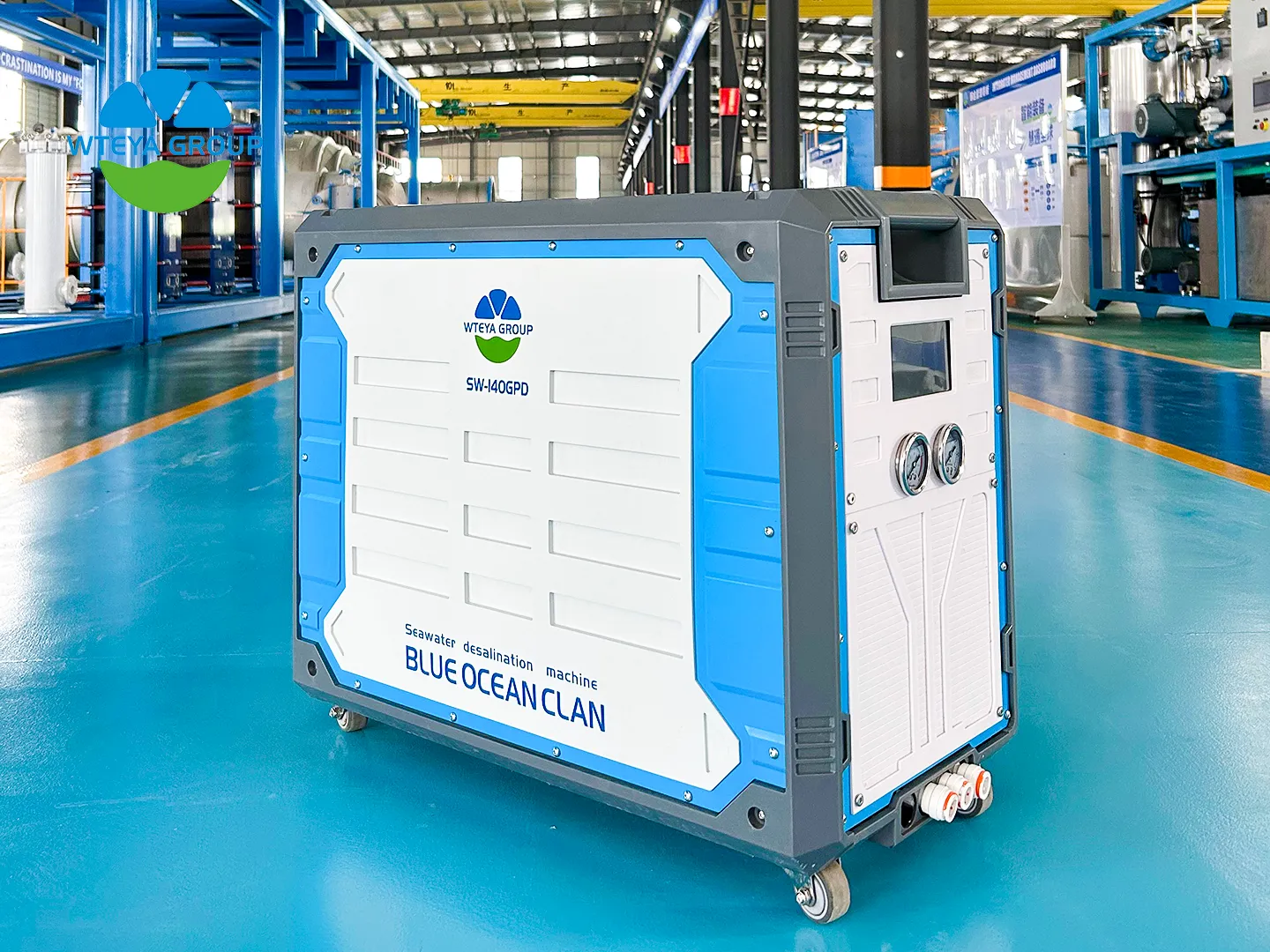
WTEYA mobile water treatment systems are built inside compact skid or trailer-mounted frames. Raw water first passes through multimedia filtration to remove suspended solids. Activated carbon reduces organic compounds and odors. Reverse osmosis membranes then remove dissolved salts, heavy metals, and microbial contaminants. The final output meets drinking and medical-grade cleaning standards, ready for wards, laboratories, and sterilization stations.
These units are designed for plug-and-play operation. After connecting inlet hoses and power, trained staff can start production within hours. Models are available for small clinics producing a few hundred liters per day, as well as larger hospital camps requiring thousands of liters.
Why WTEYA Mobile Systems Fit Field Hospitals
Trailer or skid mounting allows rapid relocation when the camp moves. There is no need to build permanent civil works.
Energy flexibility supports diesel generators, solar arrays, or grid power depending on what is available locally.
Low operating cost comes from long-life filters and efficient RO membranes. Daily water production costs far less than bottled water logistics.
Simple maintenance keeps the system running without specialized technicians. Replacement filters are easy to stock and install.
Where These Systems Deliver the Most Value
- Rural field hospitals: Supply safe drinking water and clinical cleaning water in villages without municipal service.
- Temporary medical camps: Support vaccination drives, maternal health programs, and outpatient services in remote areas.
- Mobile clinics: Fit inside vehicles or containers to bring treatment directly to patients.
- Remote construction site clinics: Provide daily potable water for workers and basic medical staff in off-grid locations.
Choosing the Right Mobile Unit
Selection depends on daily water demand, source quality, and available power. For brackish borehole water, a standard RO configuration is sufficient. For seawater sources, a higher-pressure marine RO system is required. WTEYA engineers match the configuration to each field deployment, so clinics receive equipment that works reliably from day one.
Mobile water treatment is not just a convenience for remote medical teams; it is a critical part of patient safety. By turning local water into clean, reliable supply, WTEYA systems help medical staff focus on what they do best.
📲 WhatsApp: +86-1800 2840 855
📧 Email: sales@wteya.com
🌐 Website: www.wteyaa.com