






Portable Water Maker: Compact Desalination for Coastal Research Stations
Portable Water Maker: Compact Desalination for Coastal Research Stations
Coastal research stations face a persistent challenge: securing reliable fresh water in remote shoreline environments. Whether monitoring marine ecosystems, tracking tidal patterns, or sampling ocean chemistry, scientists need steady water supplies for drinking, lab processes, and equipment maintenance — often far from municipal infrastructure.
The Fresh Water Challenge at Shore-Based Facilities
Most coastal and island research stations operate beyond the reach of piped water networks. Delivering bottled water by boat is expensive and logistically unreliable, especially during rough weather. Rainwater collection systems depend on unpredictable precipitation and cannot support continuous lab operations. Stored water degrades over time, risking contamination that undermines sensitive analytical work.
Unlike inland labs that tap into municipal supplies, shore-based stations must produce their own water or accept inconsistent delivery — both options that drain budgets and disrupt research schedules.
Portable Desalination as a Research-Grade Solution
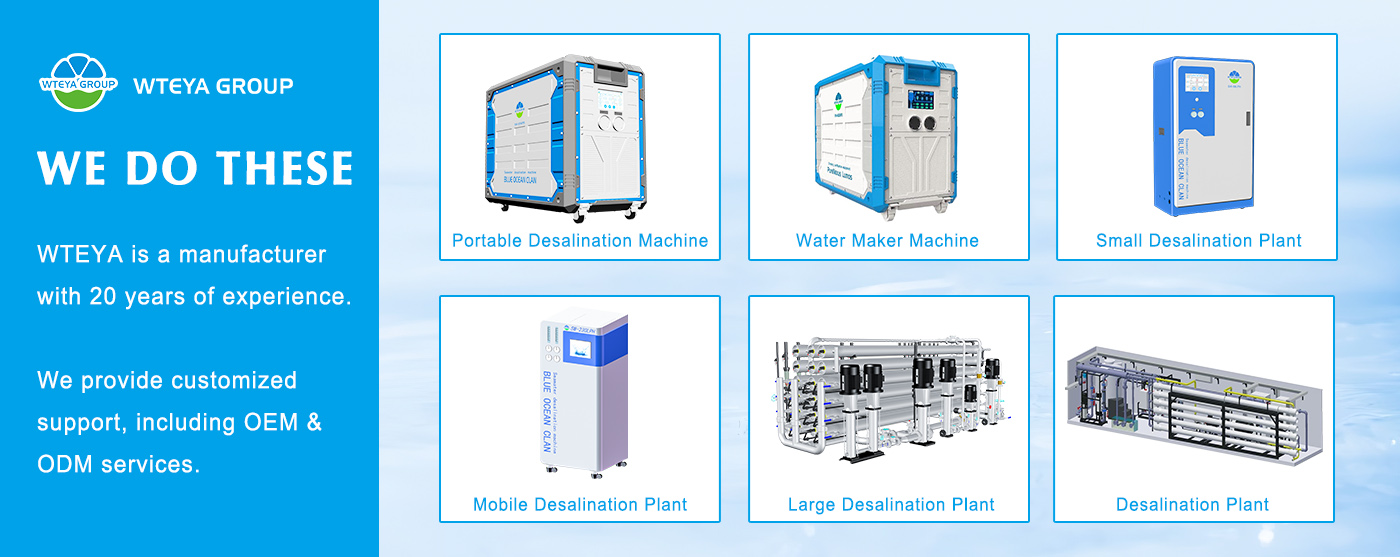
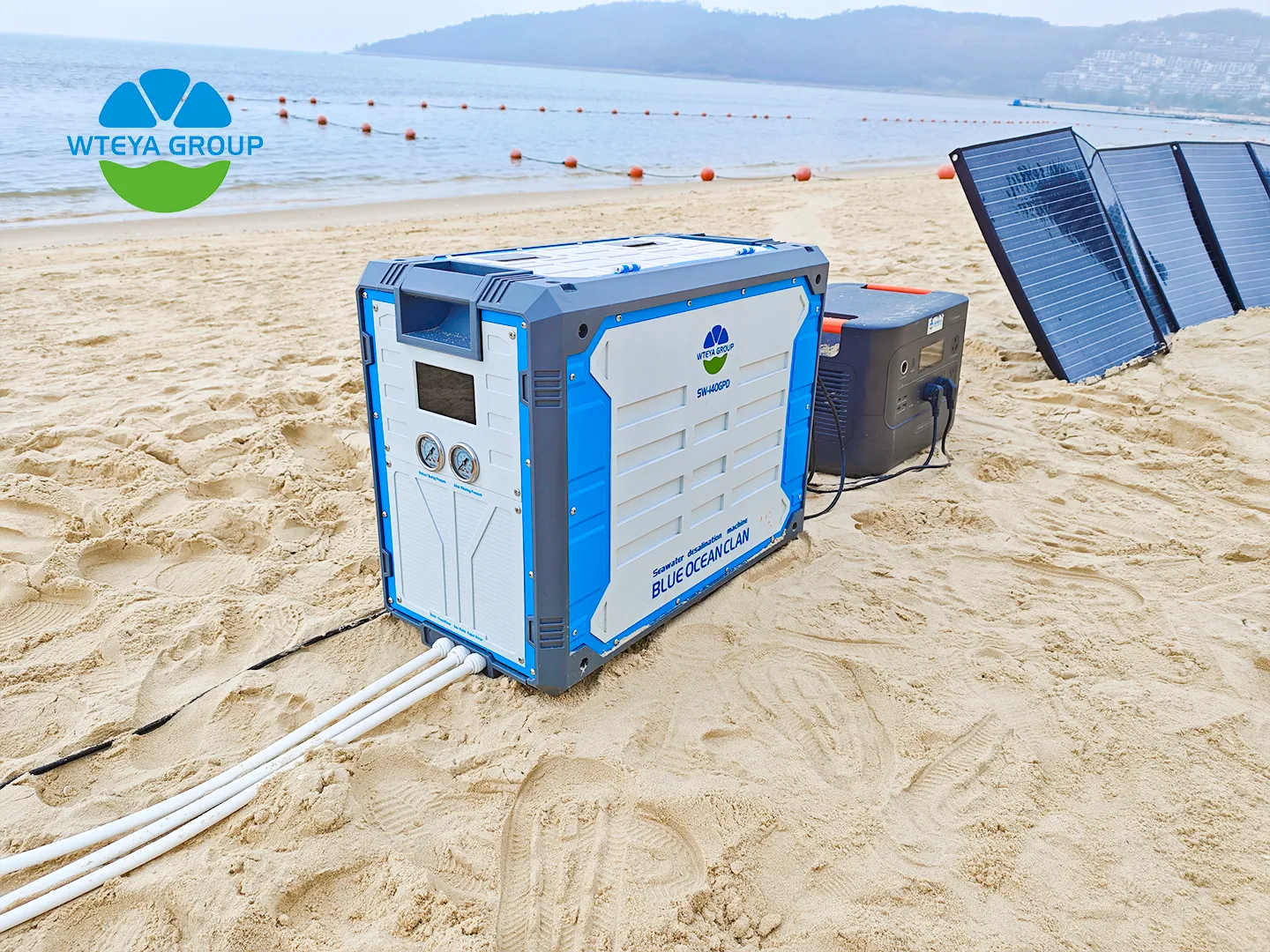
WTEYA portable seawater desalination machines convert surrounding seawater into clean, potable water on demand. These compact units fit within limited facility space and draw power from standard shore connections or portable generators. With output capacities ranging from 500 to 5,000 liters per day, a single portable water maker can sustain a team of researchers without external supply dependence.
Unlike large containerized systems designed for high-volume municipal use, portable desalination units prioritize flexibility and fast deployment — exactly what dynamic research operations require.
Key Benefits for Research Operations
- Self-sufficient water supply: No dependence on delivery schedules or weather-dependent collection systems. The ocean itself becomes your water source.
- Compact footprint: Units occupy minimal deck or interior space, leaving room for lab equipment, sample storage, and living quarters.
- Low energy draw: Modern RO membranes operate efficiently, allowing stations running on generator power to maintain water production without fuel strain.
- Consistent water quality: Reverse osmosis filtration removes salts, bacteria, and particulates, producing water that meets laboratory purity standards for rinsing instruments and preparing reagents.
Practical Deployment Scenarios
- Marine biology stations: Daily water for specimen rinsing, aquarium maintenance, and team hydration
- Oceanographic monitoring posts: Continuous supply for sensor cleaning and analytical prep work
- Coastal climate research camps: Drinking and operational water in seasonal or temporary installations
- Island-based ecological surveys: Compact units easily transported by small vessel to remote survey sites
WTEYA portable desalination machines give coastal researchers the independence to focus on science rather than water logistics. Explore the full range of compact water makers at WTEYA Portable Desalination and discover how 4040 RO systems and containerized units scale for larger shore installations.
📲 WhatsApp: +86-1800 2840 855
📧 Email: sales@wteya.com
🌐 Website: www.wteyaa.com