






Mobile RO Water Treatment: Clean Water Supply for Refugee Camp Operations
Mobile RO Water Treatment: Clean Water Supply for Refugee Camp Operations
Over 110 million people worldwide have been displaced by conflict, climate disasters, and economic collapse. The majority end up in temporary camps where safe drinking water is scarce or entirely absent. Contaminated water sources near camps fuel disease outbreaks — cholera, dysentery, and typhoid claim lives faster than the crises that drove people there. Mobile RO water treatment units offer a practical, rapid solution that turns available surface or borehole water into potable supply within hours of deployment.
The Water Crisis Inside Refugee Camps
Refugee camps are often established near whatever water source exists — a river, lake, or shallow well. These sources rarely meet safety standards. Bacterial contamination, high turbidity, and chemical pollutants from nearby industry or agriculture make raw water dangerous. Camp populations of 10,000 to 100,000 cannot rely on bottled water deliveries or slow boiling methods. The result: waterborne disease spreads within days, overwhelming already strained medical resources. Without a scalable treatment system, camp administrators face an impossible choice between quantity and quality.
How Mobile RO Units Solve Camp Water Supply
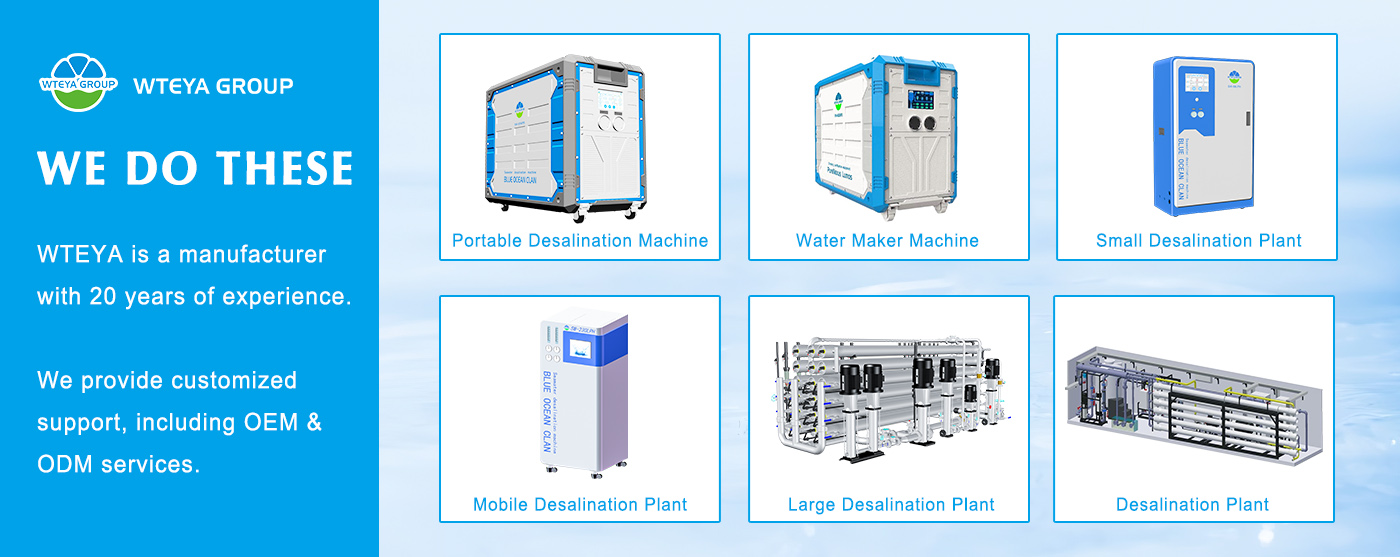
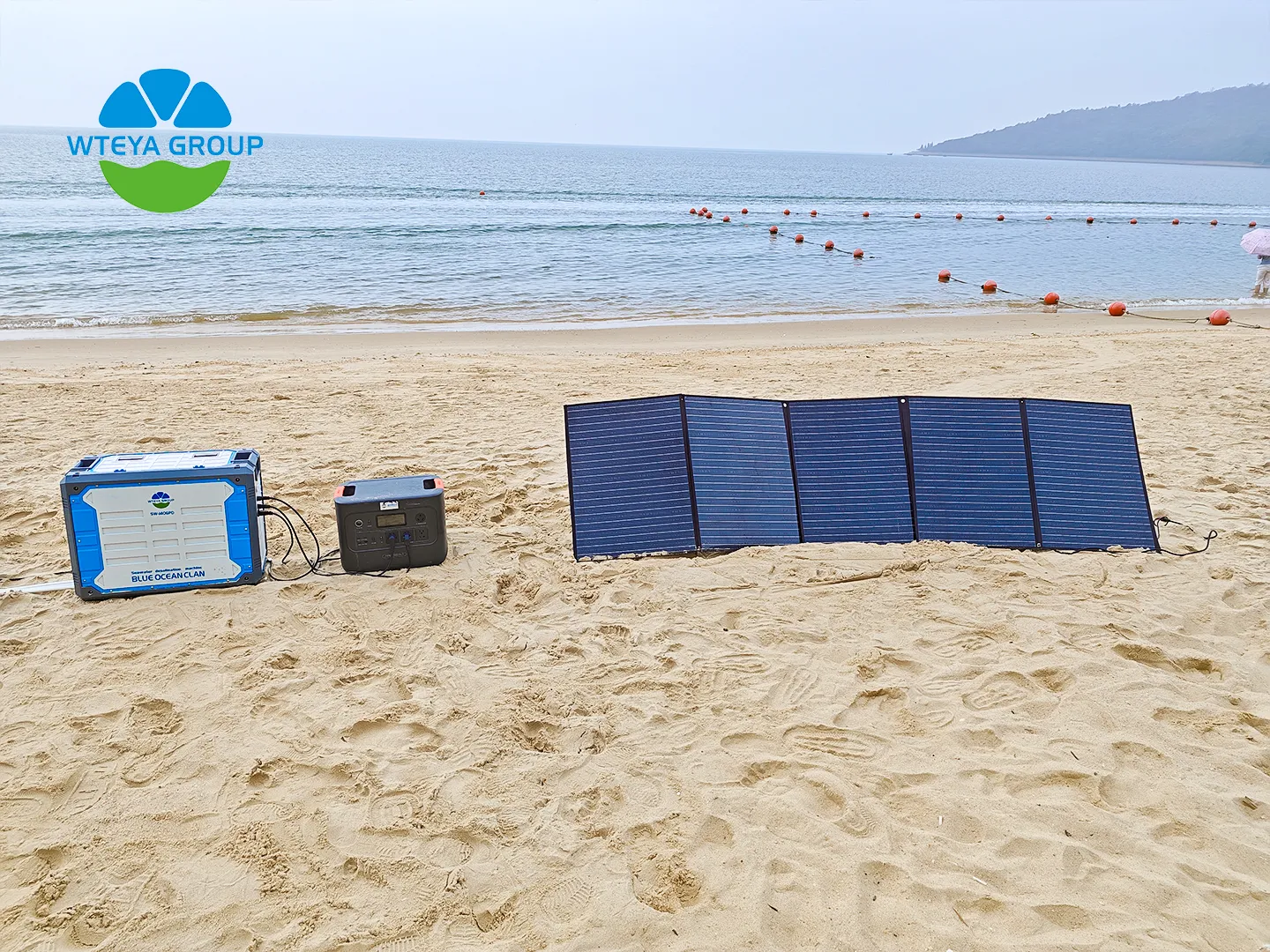
Unlike fixed treatment plants that take months to build, WTEYA mobile RO units arrive containerized and operational within hours. Reverse osmosis membranes reject 99% of dissolved solids, bacteria, and viruses. A single unit produces 500 to 10,000 liters per hour from virtually any freshwater source — no pre-existing infrastructure required. The system connects to a river, well, or tank, filters through multi-stage pretreatment, and delivers WHO-standard drinking water directly to distribution points. Power options include diesel generators, grid connection, or solar-battery hybrid for off-grid camps.
Core Advantages for Camp Operations
- Rapid Deployment: Units ship ready-to-run. Setup takes 2-4 hours, not weeks. Camp water supply begins the same day equipment arrives.
- Universal Feed Water Compatibility: From muddy river water to moderately saline borehole sources, the pretreatment chain handles turbidity, organics, and minerals before RO purification.
- Scalable Output: Modular design lets camps add units as population grows. A 2,000 L/h unit serves 4,000 people; add a second unit for 8,000.
- Low Operating Cost: Energy consumption stays under 3 kWh per 1,000 liters. Membrane lifespan reaches 3-5 years with proper maintenance, far cheaper than trucked-in water.
Application Scenarios
- Conflict-driven displacement camps where infrastructure is destroyed and surface water is the only option
- Climate disaster shelters after floods or droughts contaminate local wells and reservoirs
- Border transit camps that must provide water for thousands passing through within days
- Long-term settlement zones transitioning from emergency to semi-permanent housing, needing sustainable water infrastructure
WTEYA mobile RO water treatment systems give humanitarian operations the ability to deliver safe water at scale, faster than any permanent plant could. When lives depend on speed, mobile treatment is not a backup plan — it is the first response. Explore WTEYA's mobile water supply equipment and container desalination systems for camp-scale solutions.
📲 WhatsApp: +86-1800 2840 855
📧 Email: sales@wteya.com
🌐 Website: www.wteyaa.com