






Portable Desalination: Fresh Water for Coastal Fishing Villages
Portable Desalination: Fresh Water for Coastal Fishing Villages
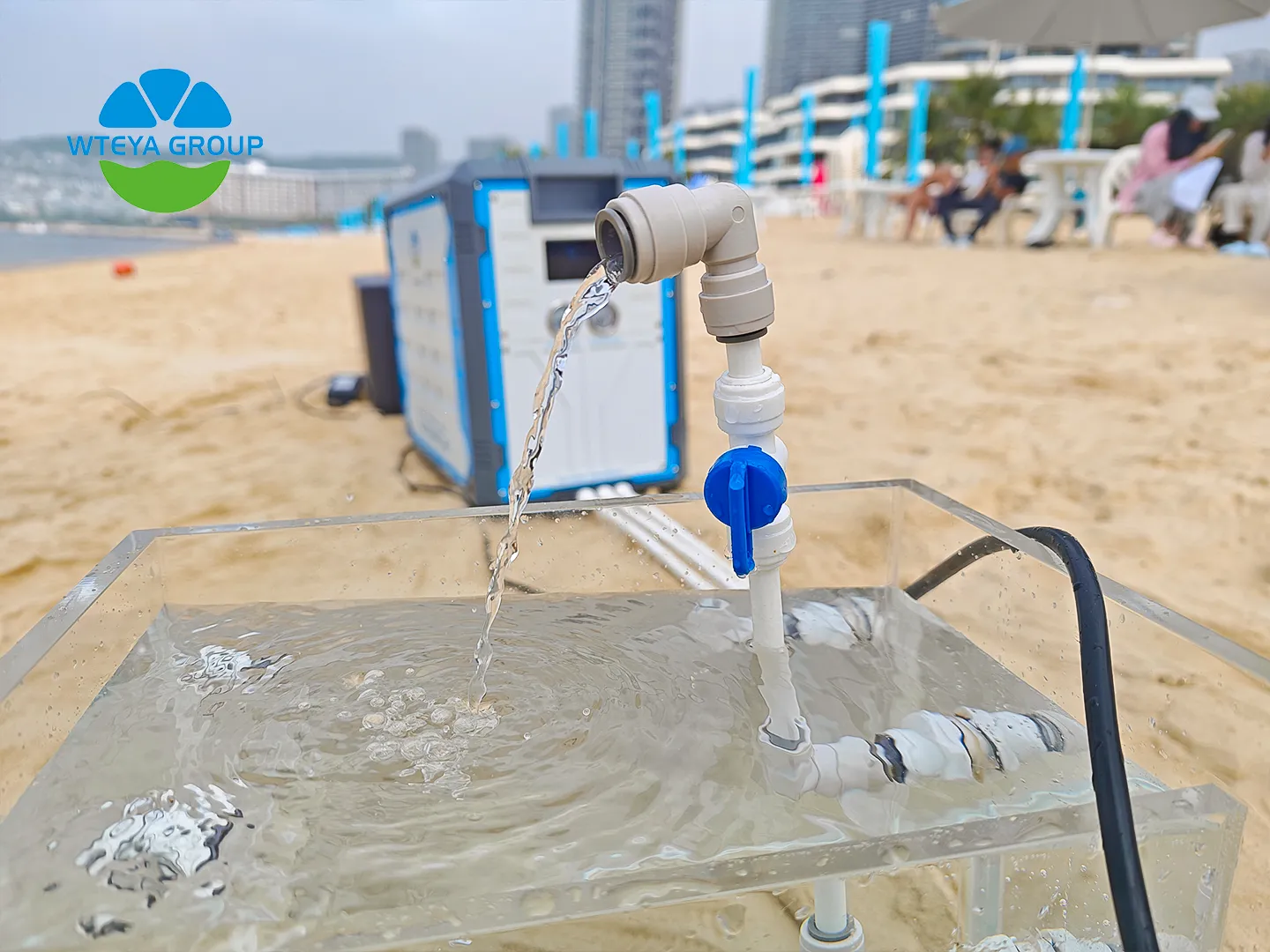
Many coastal fishing villages sit right next to the ocean yet struggle with daily access to clean drinking water. Trucked-in bottled water is expensive and unreliable, while municipal pipelines rarely reach remote shorelines. WTEYA portable seawater desalination machines offer a practical way for these communities to turn abundant seawater into safe, fresh water on-site.
The Water Crisis in Coastal Fishing Communities
Fishing villages along tropical and subtropical coastlines often depend on rainfall, shallow wells, or weekly water deliveries. During dry seasons, wells turn brackish and deliveries slow down. Families ration water for cooking and drinking, let alone sanitation. The cost per liter of trucked water can be five to ten times higher than piped supply, draining household budgets that already depend on unpredictable fish catches.
Climate change worsens the problem. Rising sea levels push saltwater into coastal aquifers, making traditional well water increasingly undrinkable. Without a reliable local water source, these communities face health risks from contaminated water and economic stagnation from water scarcity.
How Portable Desalination Works
A portable seawater desalination machine uses reverse osmosis (RO) technology to remove salt, minerals, and contaminants from seawater. Seawater enters the system through a pre-filter that removes sediment and particles. A high-pressure pump then forces water through a semi-permeable RO membrane, which blocks up to 99% of dissolved solids. The result is clean, drinkable water that meets WHO standards.
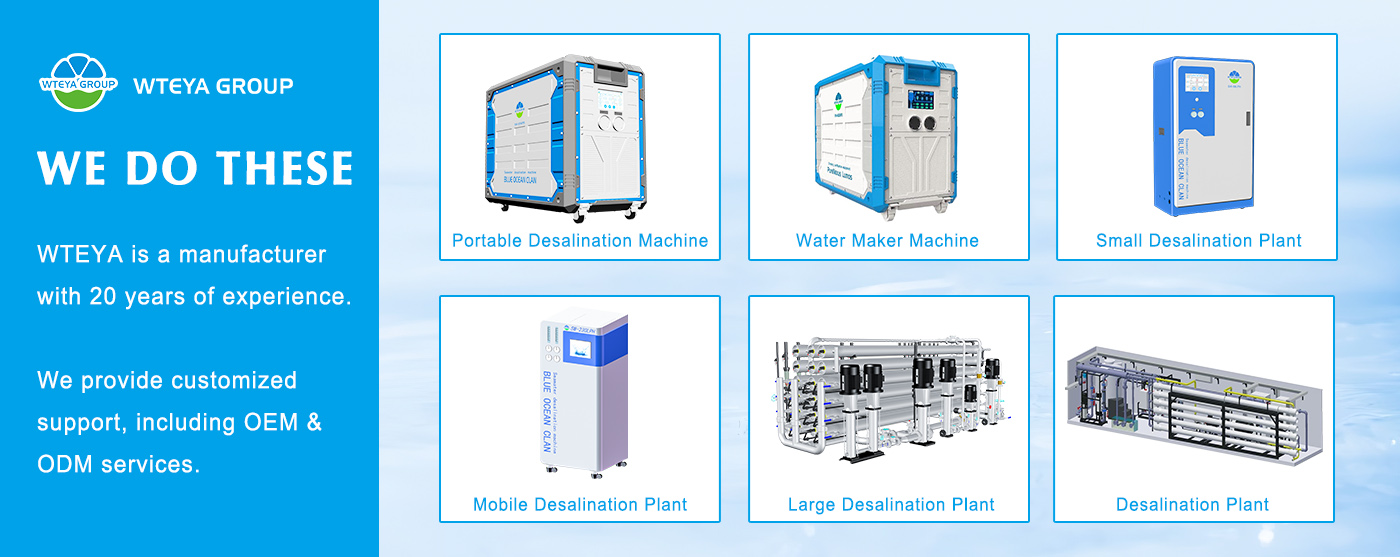
WTEYA portable units are designed for plug-and-play operation. They run on standard shore power or generator supply, require minimal training to operate, and produce between 500 and 5,000 liters of fresh water per day depending on the model. The compact design means the entire system fits in a small footprint suitable for village installation.
Key Benefits for Fishing Villages
Water independence: No more waiting for delivery trucks or praying for rain. The ocean becomes a dependable daily water source, available year-round regardless of weather conditions.
Lower long-term cost: After the initial equipment investment, the ongoing cost is just electricity and routine filter replacement. Compared to years of bottled water purchases, a portable desalination unit typically pays for itself within 12 to 18 months.
Compact and portable: Unlike large desalination plants, these units can be transported by boat or truck to even the most remote village. If the community relocates or needs change, the system moves with them.
Easy maintenance: WTEYA designs its systems with accessible filter housings and clear maintenance indicators. Village operators can handle routine upkeep with basic training, and replacement parts ship quickly from WTEYA stock.
Real-World Applications
Beyond drinking water, portable desalination supports multiple village needs. Fish processing requires clean water for cleaning and icing catches. Small-scale aquaculture operations need controlled water quality. Community gardens and livestock also benefit from reliable fresh water access.
For fishing cooperatives, having on-site desalination means ice production becomes feasible, extending the shelf life of the daily catch and increasing market value. Schools and clinics in remote coastal areas gain access to safe water for sanitation, reducing waterborne disease rates.
WTEYA portable desalination machines are built to withstand harsh coastal environments with corrosion-resistant materials and marine-grade components. Each unit undergoes factory testing with actual seawater before shipment, ensuring reliable performance from day one in any fishing village that needs it.
📲 WhatsApp: +86-1802 5185 143
📧 Email: sales@wteya.com
🌐 Website: www.wteyaa.com