






Off-Grid Solar Desalination: Clean Water for Remote Villages
Off-Grid Solar Desalination: Clean Water for Remote Villages
Millions of people in remote coastal villages still lack reliable access to safe drinking water. Traditional water delivery is expensive, inconsistent, and often impossible during seasonal storms or infrastructure failures. For communities far from municipal pipelines, the daily struggle for clean water limits health, agriculture, and economic growth.
The Challenge of Water Access in Remote Areas
Remote villages face a unique water crisis. Groundwater may be brackish or contaminated. Rainwater collection is unpredictable. Diesel-powered desalination systems demand fuel deliveries that never arrive on schedule. Each of these options creates dependency on unreliable supply chains that drain limited local budgets.
Unlike traditional desalination methods that require grid electricity and ongoing fuel costs, solar-powered systems convert abundant sunlight into fresh water. Coastal regions with water scarcity often receive intense solar radiation, making photovoltaic desalination a natural fit.
How Solar Desalination Works
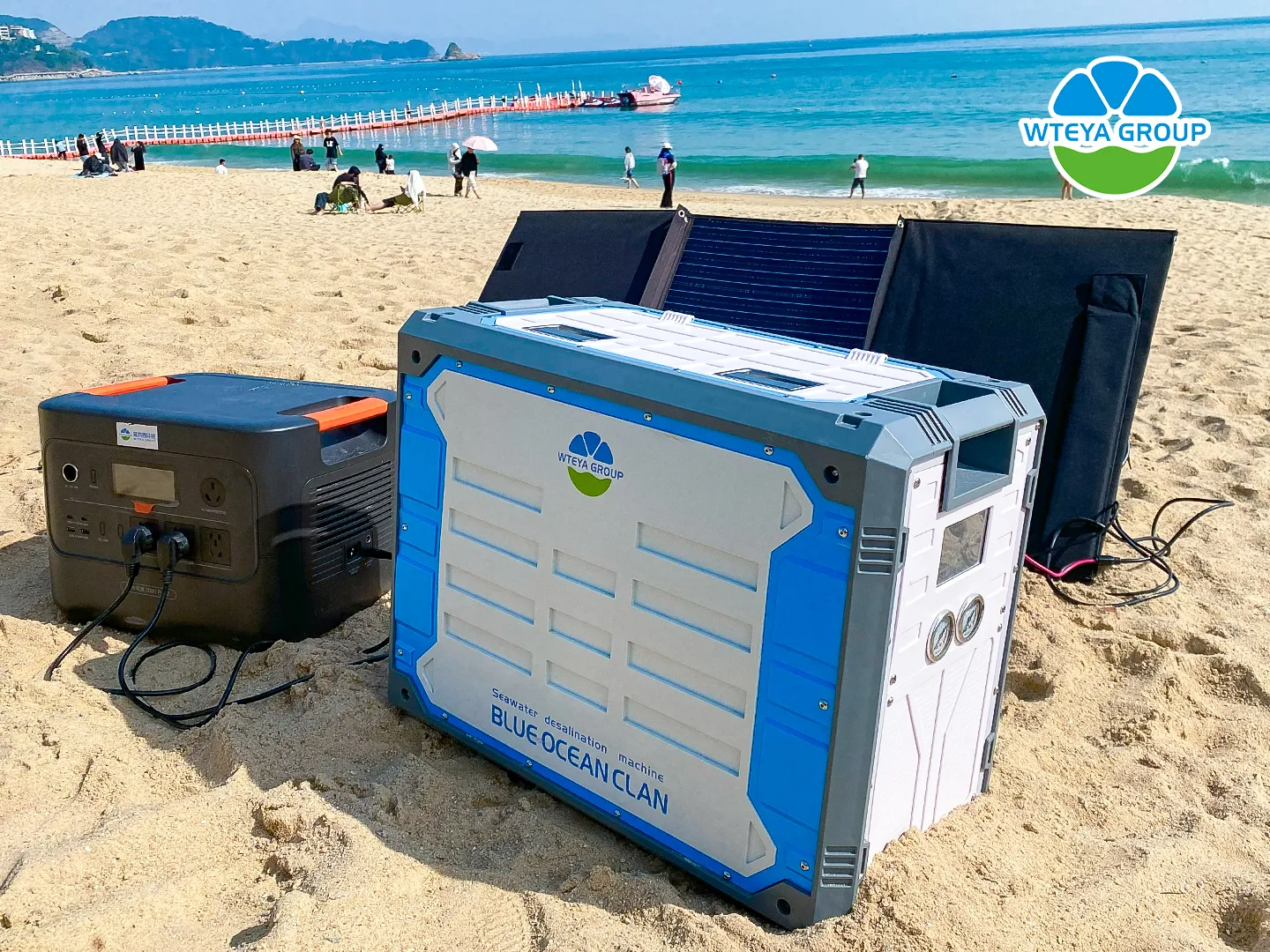
A solar desalination unit uses photovoltaic panels to power a reverse osmosis system. Seawater or brackish water passes through high-rejection membranes under pressure, producing drinking water that meets WHO standards. The entire process runs on renewable energy with no fuel deliveries and minimal moving parts.
Modern systems integrate MPPT charge controllers and battery storage, ensuring stable water production even during cloudy periods. Advanced energy recovery devices reduce power consumption by up to 60 percent compared to conventional RO units.
Key Benefits for Remote Communities
Energy Independence: Solar desalination eliminates fuel logistics entirely. Once installed, the system generates water using free solar energy, protecting communities from fuel price volatility and supply interruptions.
Low Operating Cost: With no diesel to purchase and minimal maintenance requirements, the lifetime cost of water drops dramatically. Most systems recover their initial investment within three to five years.
Scalable Output: Units range from compact 500-liter-per-day systems for single villages to modular 50,000-liter-per-day plants serving multiple communities. Expansion simply requires additional panels and membrane housings.
Ideal Applications
Coastal Fishing Villages: Replace expensive bottled water and unreliable tanker deliveries with a permanent local source of clean drinking water.
Island Communities: Provide consistent water supply without the environmental impact and cost of diesel generators.
Eco-Tourism Resorts: Meet sustainability goals while ensuring guest comfort with zero-carbon water treatment.
Agricultural Cooperatives: Support irrigation and livestock needs in arid coastal zones where freshwater is scarce.
What to Look for in a Solar Desalination System
When evaluating solar desalination equipment, consider daily output capacity relative to village population, membrane quality and replacement intervals, battery backup duration for cloudy days, and local availability of technical support. Systems designed for remote operation should include remote monitoring capabilities and straightforward filter replacement procedures.
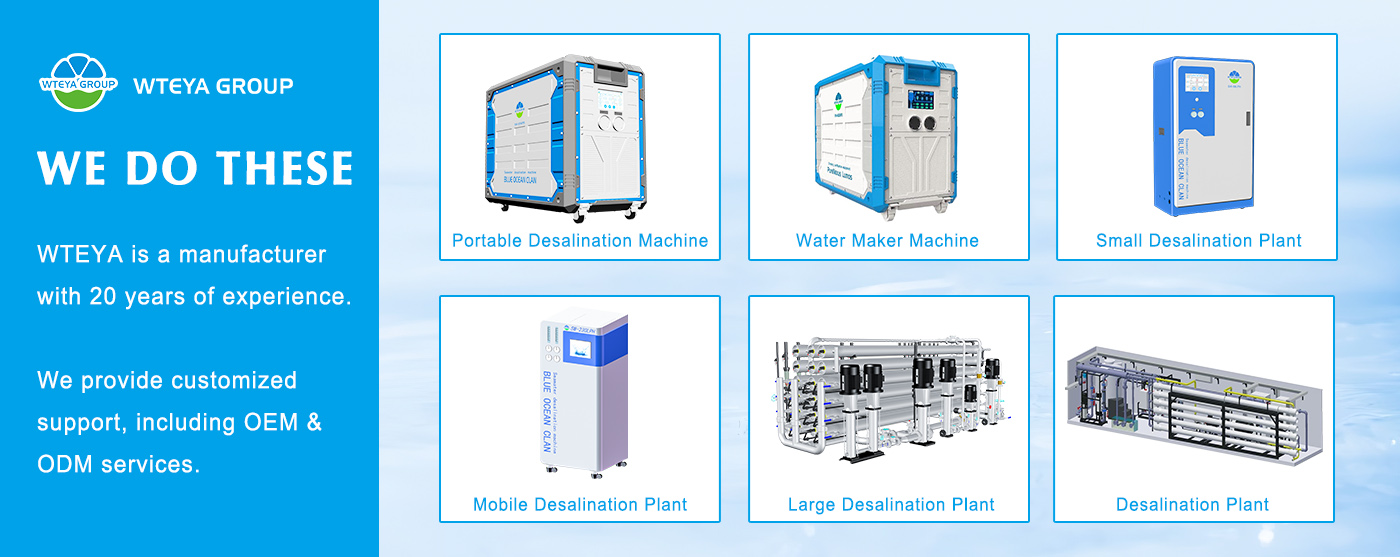
WTEYA solar desalination systems are engineered specifically for off-grid coastal applications, combining high-efficiency RO membranes with rugged PV arrays and intelligent power management. Each unit is tested for salt rejection performance and energy efficiency before shipment.
Remote villages no longer need to choose between unreliable water sources and expensive fossil-fuel systems. Solar desalination delivers clean, affordable drinking water using the one resource that never runs out in coastal regions: sunlight.
📲 WhatsApp: +86-1802 5185 143
📧 Email: sales@wteya.com
🌐 Website: www.wteyaa.com