






Brackish Water RO: Sustainable Feed Water for Coastal Aquaculture Farms
Brackish Water RO: Sustainable Feed Water for Coastal Aquaculture Farms
Coastal aquaculture farms depend on consistent water quality to keep fish and shrimp healthy. When feed water salinity fluctuates, stock mortality spikes and harvest yields collapse. Brackish water RO systems from WTEYA deliver stable, controlled salinity — the foundation every coastal farm needs to thrive.
The Salinity Problem in Aquaculture
Open-pond and recirculating aquaculture systems face unpredictable salinity shifts. Tidal changes, freshwater runoff, and seasonal droughts all push water parameters outside safe ranges. Shrimp farms lose up to 30% of stock when salinity swings beyond 5 ppt in a single day. Traditional treatment — manual salt adjustment or settling ponds — is slow, labor-intensive, and unreliable.
How Brackish Water RO Stabilizes Your Farm
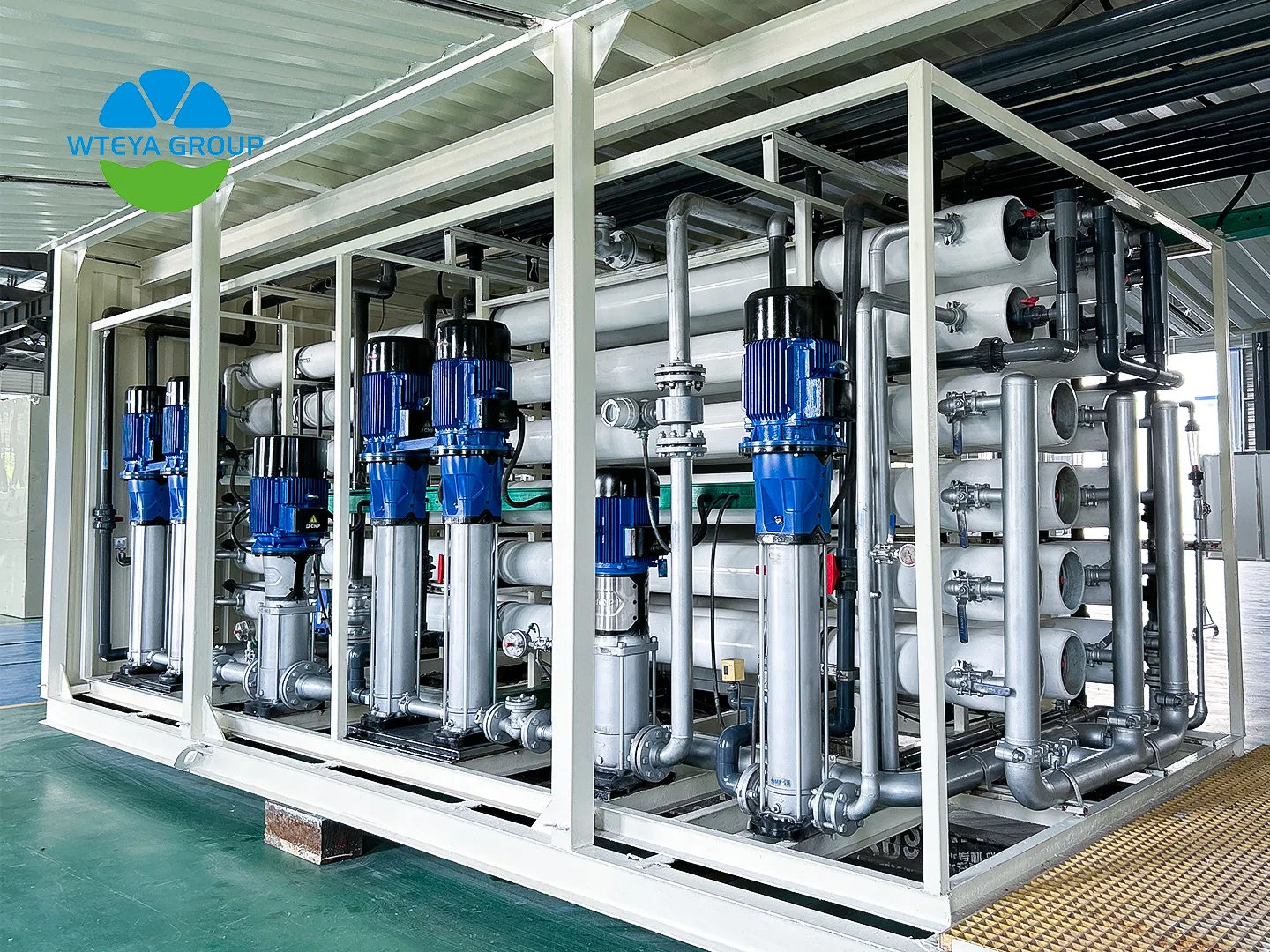
A WTEYA brackish water desalination system draws from local wells, estuaries, or tidal sources and produces feed water at precisely the salinity your species require. Unlike batch dosing, RO operates continuously, maintaining ±0.5 ppt consistency across 24-hour cycles. The semi-permeable membrane rejects dissolved solids while retaining minerals essential for aquatic health, so your stock gets clean water without mineral depletion.
Core Advantages for Aquaculture Operations
- Salinity precision: Dial output TDS to match shrimp (10–20 ppt), tilapia (0–15 ppt), or marine fish (25–35 ppt) — no manual guesswork.
- Continuous flow: 500 to 10,000 L/hr models keep tanks and ponds topped up around the clock, eliminating water-change downtime.
- Energy efficiency: Low-pressure brackish membranes run at 1–3 bar, cutting power cost 60% vs seawater RO units.
- Compact footprint: Skid-mounted systems fit alongside existing pump houses — no civil works required.
Application Scenarios
- Shrimp hatcheries demanding 15–20 ppt nursery water
- Tilapia grow-out farms blending fresh and brackish sources
- Recirculating aquaculture systems (RAS) needing polished intake water
- Coastal crab farms where tidal salinity swings harm molting cycles
- Aquaponics facilities combining fish and vegetable production
Stable salinity is not optional in aquaculture — it is survival. WTEYA brackish water RO systems give coastal farms the consistency that manual methods never deliver. Learn more about WTEYA's brackish water desalination solutions and portable desalination equipment for your operation.
📲 WhatsApp: +86-1800 2840 855
📧 Email: sales@wteya.com
🌐 Website: www.wteyaa.com