






How Does a Containerized Seawater Desalination System Work?
How Does a Containerized Seawater Desalination System Work?
Containerized seawater desalination systems are transforming how coastal communities, island resorts, and industrial facilities access fresh water. By packaging a complete reverse osmosis desalination plant inside a standard shipping container, these systems deliver reliable, high-quality drinking water anywhere with sea access — quickly and cost-effectively.
What Is a Containerized Seawater Desalination System?
A containerized seawater desalination system integrates the entire desalination process into a 20ft or 40ft shipping container: seawater intake, pre-treatment, high-pressure pumping, reverse osmosis membranes, post-treatment, and automated controls. It arrives at your site as a complete, factory-tested plant ready for commissioning within days.
Unlike conventional desalination plants that require months of on-site civil works, containerized systems are manufactured and tested entirely at the factory. This dramatically reduces installation time, project risk, and total cost of ownership.
How Does It Work?
Seawater is first drawn through an intake and passed through multi-media filtration and cartridge filters to remove suspended solids, algae, and debris. The clarified water is then pressurized to 55-70 bar by a high-pressure pump and forced through reverse osmosis membranes that remove over 99% of dissolved salts.
The purified permeate undergoes pH adjustment and mineralization before being stored as drinking-quality water. The concentrated brine is safely discharged back to the sea, while an energy recovery device captures pressure from the brine stream to reduce overall power consumption by up to 30%.
Key Components of a Containerized System
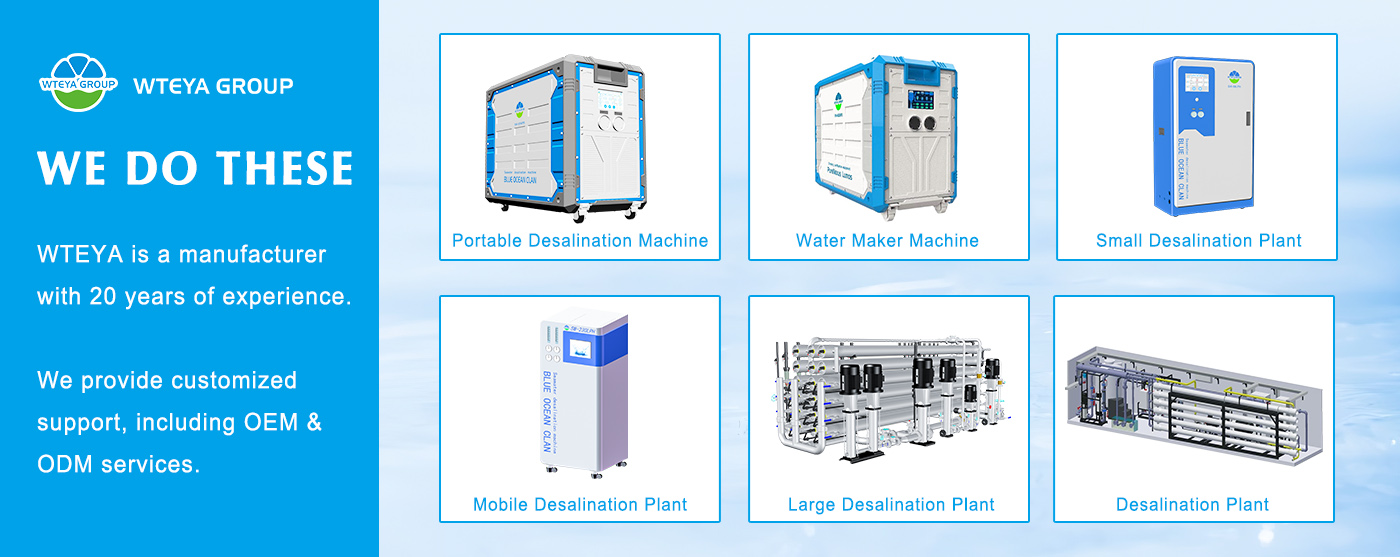
A typical WTEYA containerized desalination plant includes: seawater intake and strainer system, multi-media pre-treatment filters, antiscalant dosing unit, high-pressure plunger pump, FRP or stainless steel pressure vessels with RO membranes, energy recovery system, fresh water mineralizer, PLC automated control panel with remote monitoring, and all interconnecting piping — fully installed, wired, and tested inside the container.
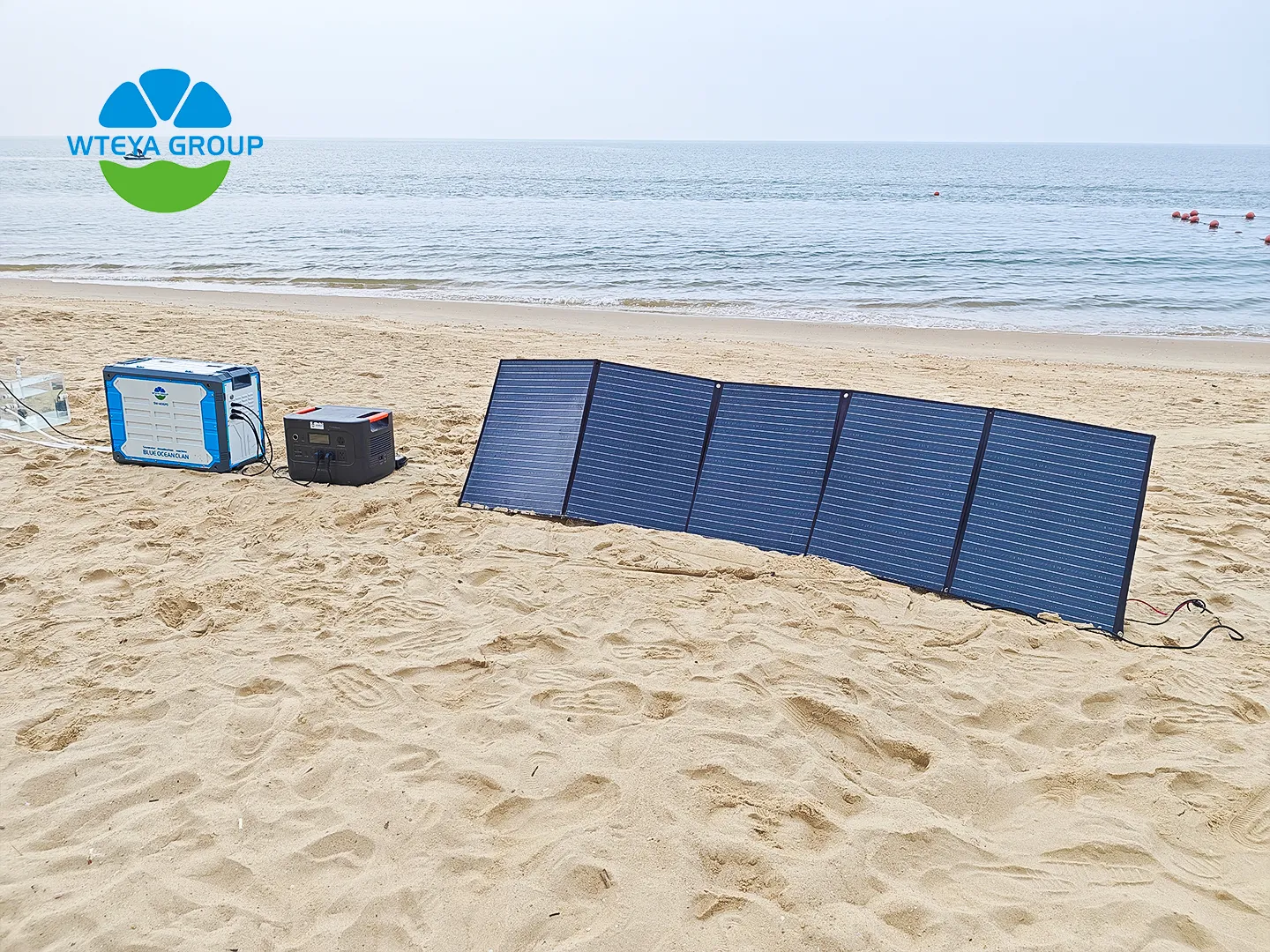
Capacities range from 50 to 500 m³ per day per unit, with multiple containers combinable to reach larger outputs. Systems can be powered by grid electricity or paired with solar power for off-grid operation.
Applications and Benefits
Containerized desalination serves a wide range of applications: island resorts and coastal hotels, villages and communities with limited freshwater, construction sites and mining camps, emergency relief operations, military bases, and industrial facilities requiring process water.
Key benefits include rapid deployment in 2-4 weeks, compact footprint requiring minimal site preparation, factory-tested reliability, easy relocation, and lower upfront investment compared to permanent plants. Water quality consistently meets or exceeds WHO drinking water standards with TDS below 200 ppm.
Why Choose WTEYA
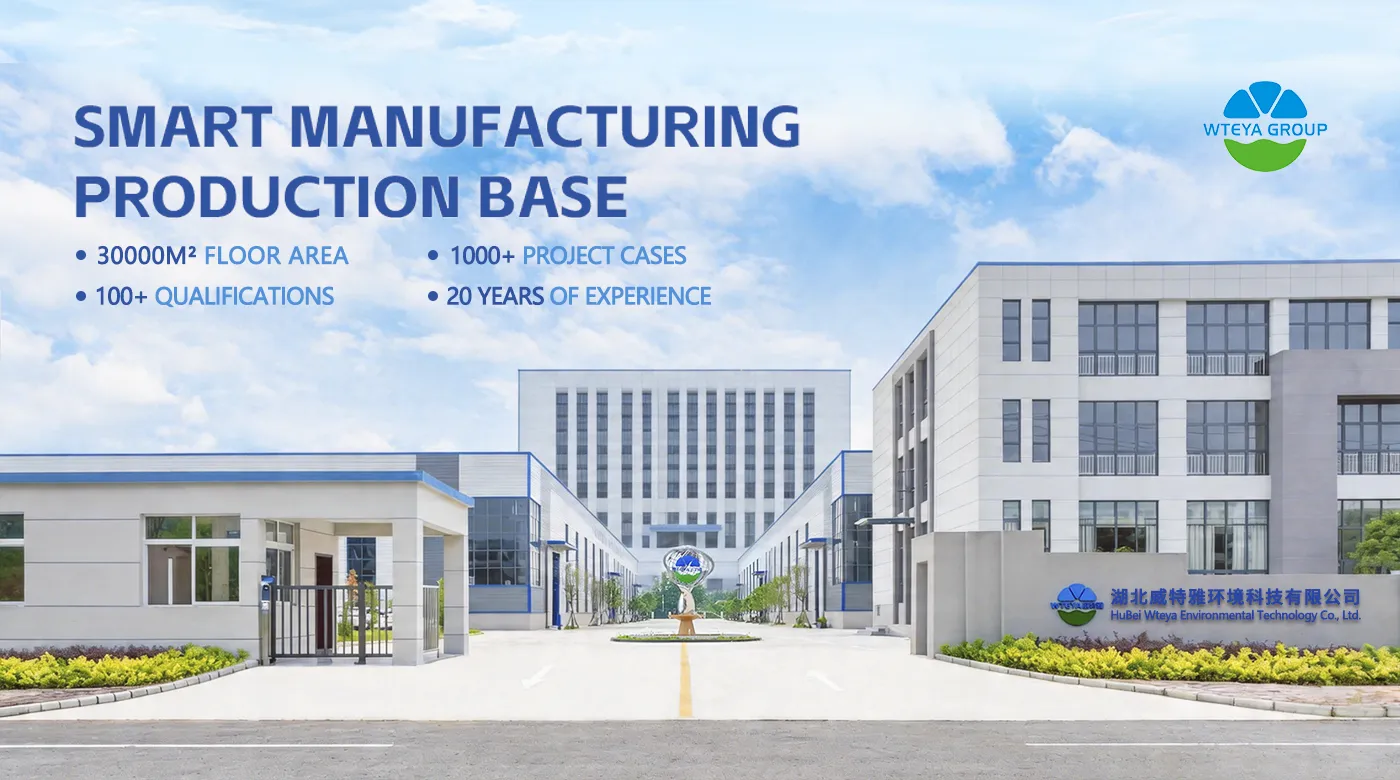
WTEYA has nearly two decades of experience manufacturing containerized seawater desalination plants and water treatment equipment. Every system is engineered and tested to international standards, backed by responsive after-sales support and genuine spare parts supply.
Contact WTEYA today to discuss your water supply requirements and receive a customized containerized desalination solution designed for your specific site conditions.
📲 WhatsApp: +86-1802 5185 143
📧 Email: sales@wteya.com
🌐 Website: www.wteyaa.com