






Emergency Desalination: Rapid Fresh Water for Earthquake Relief Operations
Emergency Desalination: Rapid Fresh Water for Earthquake Relief Operations
When an earthquake strikes, water infrastructure is often among the first casualties. Burst pipes, contaminated reservoirs, and severed supply lines can leave thousands without access to clean drinking water within hours. In the chaos of post-earthquake relief, delivering safe water fast is not just a logistical challenge — it is a race against dehydration and waterborne disease outbreaks.
The Water Crisis After an Earthquake
Earthquakes damage more than buildings. Underground water mains fracture, treatment plants lose power, and seismic activity can stir up sediment and contaminants in natural water sources. Relief teams arriving on the scene frequently find that the local water supply has become undrinkable overnight. Bottled water shipments take days to arrive and are expensive to transport over damaged roads. For coastal earthquake zones, however, the ocean itself holds an immediate solution.
Seawater Desalination: Turning the Ocean Into a Lifeline
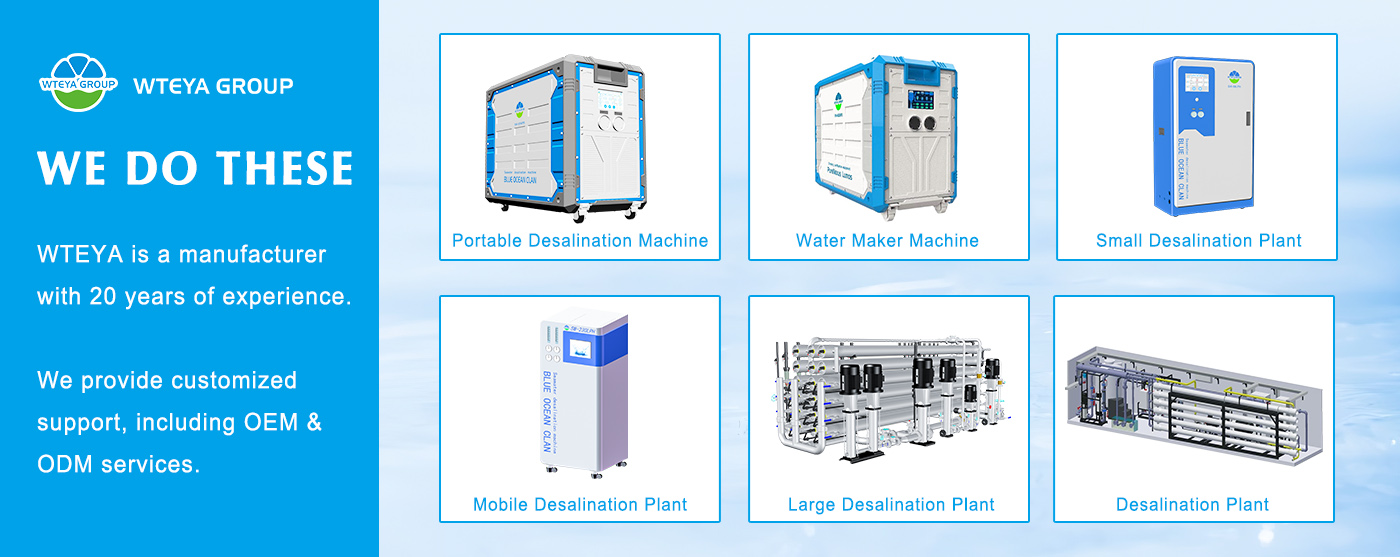
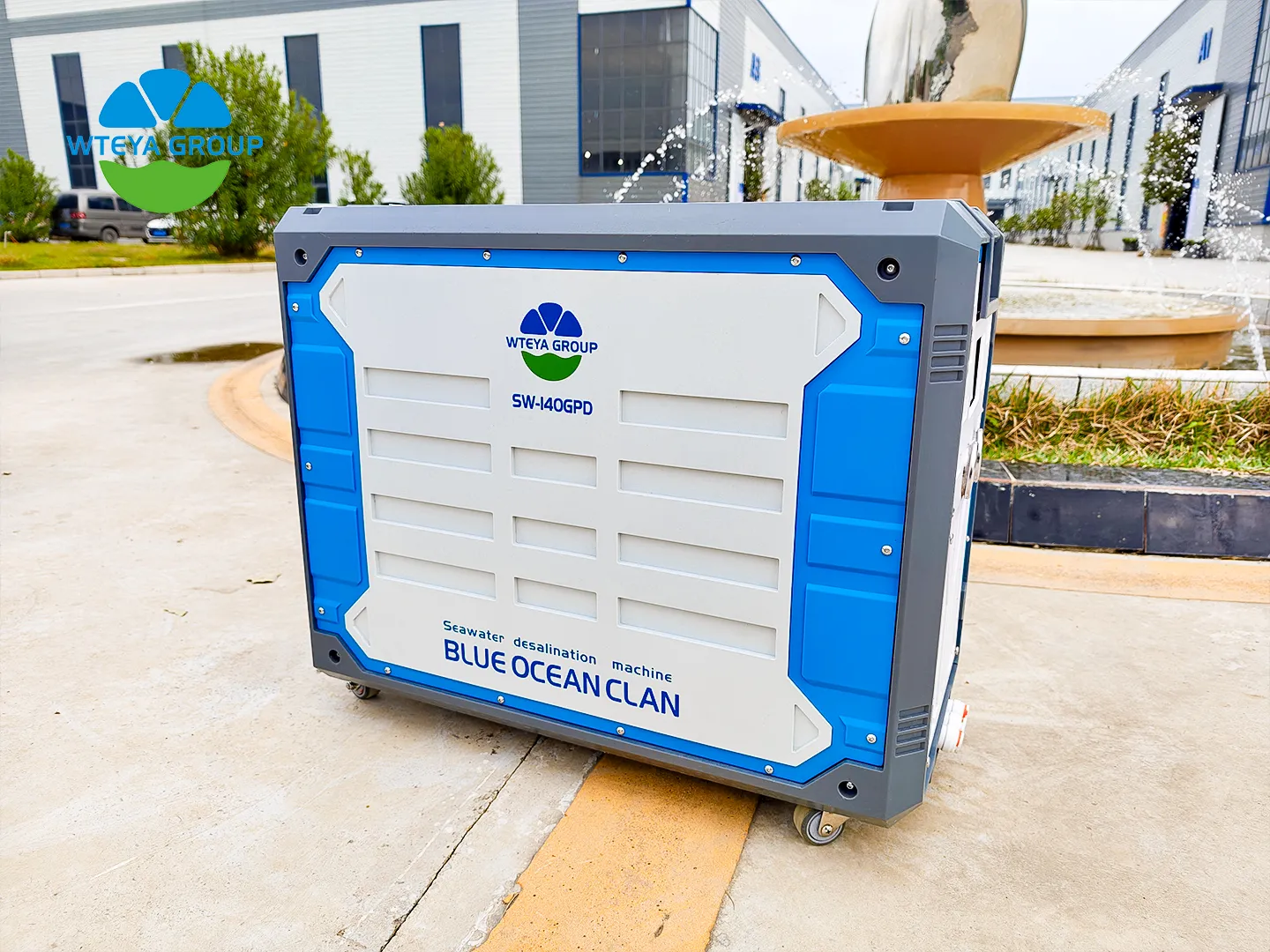
WTEYA emergency seawater desalination equipment transforms seawater into potable water on-site within minutes of deployment. Unlike bottled water logistics that depend on functioning supply chains, desalination units produce fresh water directly at the point of need. A single compact system can generate enough drinking water for hundreds of people per day, operating from any coastal shoreline or harbor accessible to relief teams.
The equipment is designed for rapid setup in disaster conditions. With no permanent installation required, units can be transported by truck, helicopter, or boat and begin producing water as soon as they reach a seawater source. This speed is critical when every hour without clean water increases the risk of cholera, dysentery, and other waterborne illnesses spreading through displaced populations.
How Emergency Desalination Works
WTEYA emergency units use reverse osmosis technology — the same proven method used by navies and offshore platforms worldwide. Seawater is drawn in through a pre-filter, then forced through a semi-permeable membrane under high pressure. The membrane blocks salt, bacteria, viruses, and heavy metals, producing fresh water that meets WHO drinking standards. The process is fully automated and requires minimal operator training, making it ideal for relief teams with limited technical personnel.
Key Advantages for Earthquake Relief
Immediate Deployment. Unlike fixed water treatment plants that take weeks to repair, portable desalination units can be operational within 30 minutes of arrival. No foundation, no plumbing, no grid connection needed — just a seawater source and a power supply or generator.
Independence From Damaged Infrastructure. Earthquake relief efforts often stall because roads are impassable and water tankers cannot reach affected areas. A desalination unit placed on the coastline bypasses the entire damaged supply chain. Relief teams produce water where it is needed, not where infrastructure happens to still function.
Scalable Output for Changing Needs. From compact 500 L/day units for triage stations to larger systems supporting field hospitals and temporary shelters, WTEYA emergency desalination equipment scales to match the scope of the crisis. Multiple units can operate in parallel as relief operations expand.
Applications in Post-Earthquake Scenarios
Coastal earthquake zones — from the Pacific Ring of Fire to the Mediterranean — face a unique opportunity that inland disaster sites do not: immediate access to seawater. Emergency desalination units can support field hospitals that need sterile water for wound care and surgery. They can supply drinking water for displaced families sheltering in temporary camps along the coast. They can even provide fresh water for hygiene and sanitation, reducing secondary health crises that often follow major seismic events.
Search and rescue teams operating in remote coastal areas can also use portable desalination to sustain their own operations, eliminating the need to carry days of water supplies into damaged regions. Military and humanitarian organizations increasingly include mobile desalination in their standard earthquake response kits, recognizing that water self-sufficiency dramatically improves relief outcomes.
A Smarter Approach to Disaster Water Supply
Traditional earthquake relief water strategies rely on prepositioned bottled water stocks and long-distance tanker deliveries. Both approaches fail when roads collapse or when the scale of displacement exceeds pre-stocked supplies. WTEYA emergency desalination equipment offers a fundamentally different model: produce unlimited fresh water from the sea at the disaster site itself. For coastal communities living on tectonic fault lines, investing in rapid-deployment desalination capability is not just smart planning — it is essential preparedness for the next seismic event.
📲 WhatsApp: +86-1800 2840 855
📧 Email: sales@wteya.com
🌐 Website: www.wteyaa.com