






Emergency Desalination: Rapid Fresh Water for Disaster Relief
Emergency Desalination: Rapid Fresh Water for Disaster Relief
When disaster strikes, access to clean drinking water becomes the most urgent priority. Earthquakes, floods, hurricanes, and tsunamis can destroy municipal water infrastructure in hours, leaving thousands without safe water. The World Health Organization estimates that a person needs at least 15 liters of clean water per day for survival, yet relief agencies often struggle to deliver bottled water to remote or damaged areas.
The Hidden Cost of Water Logistics in Disasters
Transporting bottled water into disaster zones is slow, expensive, and logistically overwhelming. A single truck carries about 20,000 liters, barely enough for 1,300 people for one day. For a mid-sized relief operation serving 10,000 survivors, you would need eight truckloads daily, assuming roads remain passable. Fuel costs, vehicle maintenance, and security risks compound the challenge. In coastal disasters, seawater surrounds survivors, but until recently, turning it into drinking water required permanent infrastructure that takes months to build.
Emergency Desalination: Water On-Site, On-Demand
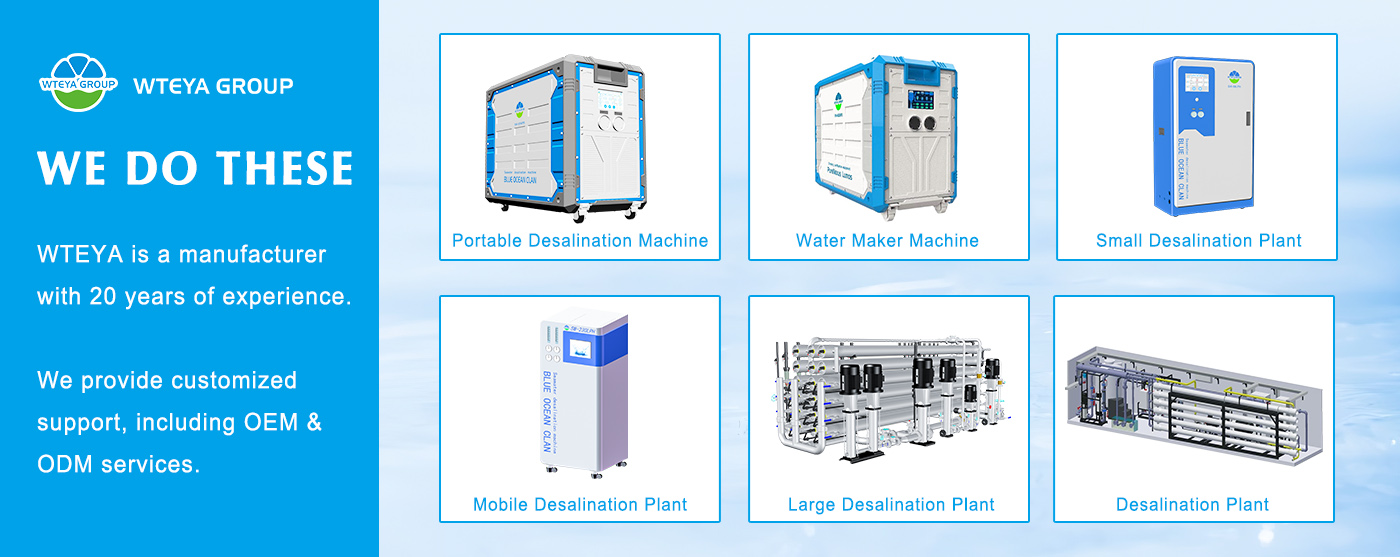
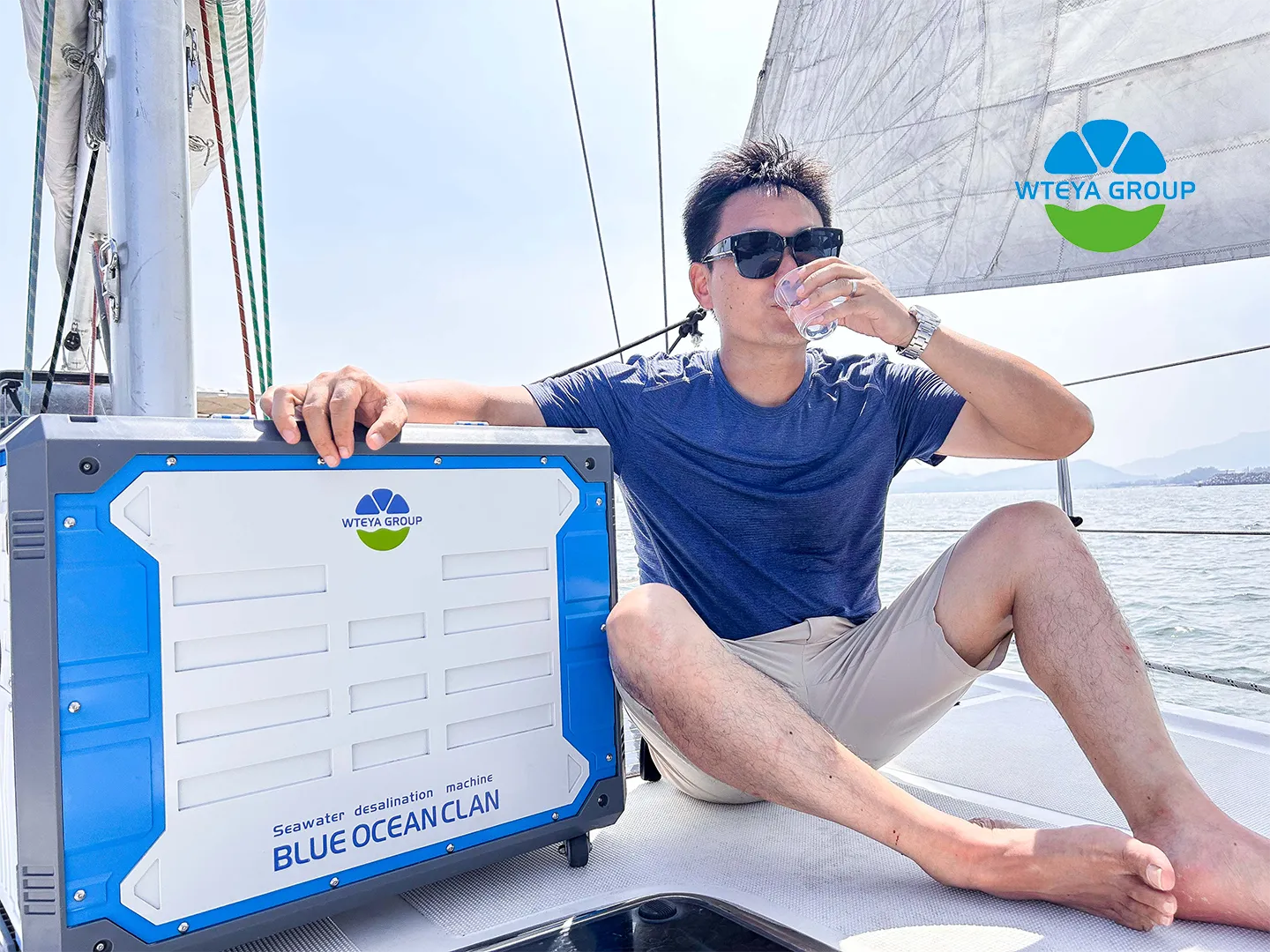
WTEYA emergency seawater desalination equipment changes this equation entirely. These portable, rapidly deployable units convert seawater or brackish water into safe drinking water within minutes of arrival. Unlike traditional desalination plants that require concrete foundations, extensive piping, and grid power, emergency desalination systems are self-contained. They arrive pre-assembled, require minimal setup, and can operate from generator power or solar panels. A single compact unit can produce 500 to 5,000 liters of fresh water per day, enough to sustain hundreds of people without relying on supply chains.
How Emergency Desalination Works
The technology behind emergency desalination is straightforward. Seawater enters the system through a pre-filter that removes sand, debris, and large particles. A high-pressure pump then forces the water through semi-permeable reverse osmosis membranes, which block salt, bacteria, viruses, and heavy metals while allowing pure water molecules to pass through. The result is drinking water that meets WHO standards. The entire process takes minutes from seawater to glass, and modern systems include automatic flushing to prevent membrane fouling during intermittent use.
Key Advantages of Portable Desalination for Relief Operations
Immediate deployment is the primary advantage. WTEYA emergency desalination units ship in ruggedized cases that double as operating platforms. Setup requires no specialized training, simply connect the intake hose to a water source, start the pump, and fresh water flows. Energy flexibility means the system runs on diesel generators, solar arrays, or any available power source, which is critical when infrastructure is damaged. Durability under harsh conditions ensures reliable operation in extreme heat, humidity, and salt spray environments that would disable less robust equipment.
Real-World Emergency Applications
Coastal earthquake response teams use portable desalination when municipal water mains rupture and seawater intrusion contaminates groundwater. Hurricane relief operations deploy these units to island communities cut off from mainland supply chains for weeks. Military field hospitals rely on emergency desalination to maintain sterile water supplies for surgery and wound care in forward operating bases. Flood response agencies use the equipment when standing water mixes with sewage and chemical runoff, rendering local water sources unsafe. Remote island communities facing drought can maintain water access without waiting for tanker deliveries.
Emergency desalination equipment transforms disaster response by making water supply local rather than logistical. Instead of trucking bottled water across damaged roads or waiting for infrastructure repair, relief teams can produce unlimited clean water at the point of need. For organizations that plan disaster response, investing in portable desalination capability means faster, more resilient, and more cost-effective water relief.
📲 WhatsApp: +86-1800 2840 855
📧 Email: sales@wteya.com
🌐 Website: www.wteyaa.com