







Desalination for Coastal Communities
Desalination for Coastal Communities
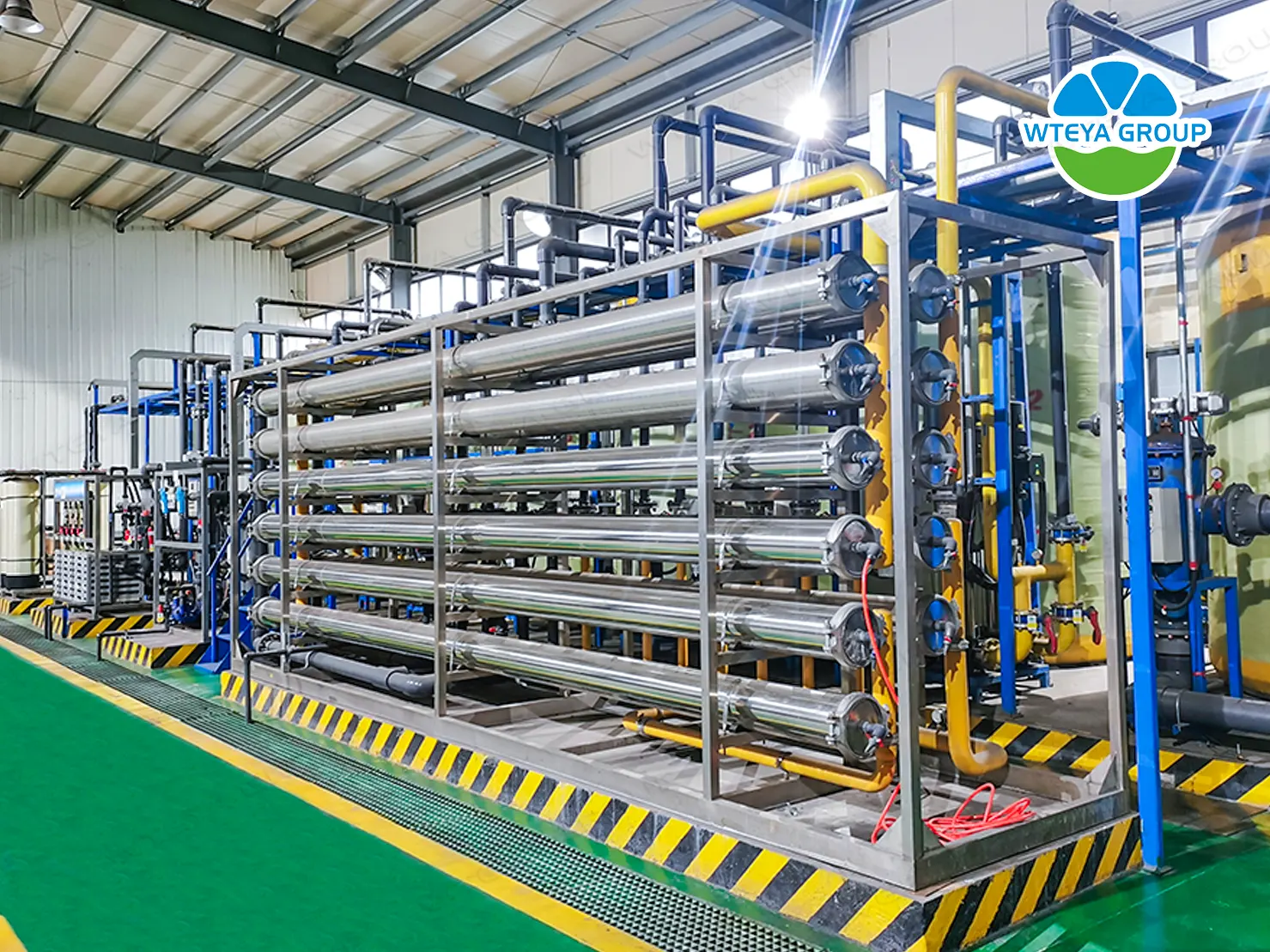
For a coastal town, fresh water is often the single resource that decides whether it can grow. Where wells turn brackish and rainfall is unreliable, seawater desalination gives communities a supply they can plan around — independent of the weather, the season and the next drought. Modern coastal desalination plants are compact, energy-efficient and simple to operate, which is why they are now a realistic option for villages and towns of a few hundred to a few thousand people.
Why Coastal Communities Are Turning to Desalination
Coastal aquifers are under pressure everywhere. Over-pumping draws in seawater, raising salinity until the water is no longer drinkable, and many small communities end up trucking in water at a cost that rises every year. A desalination plant breaks that cycle by drawing from an effectively unlimited source and producing consistent, high-quality water on site.
Equally important, the technology has become far more affordable. A standard containerised plant can be delivered and commissioned in weeks, needs only a modest power connection, and runs largely unattended thanks to automatic PLC control. For a coastal community, that combination means dependable water without a large civil works programme.
How a Coastal Desalination Plant Works
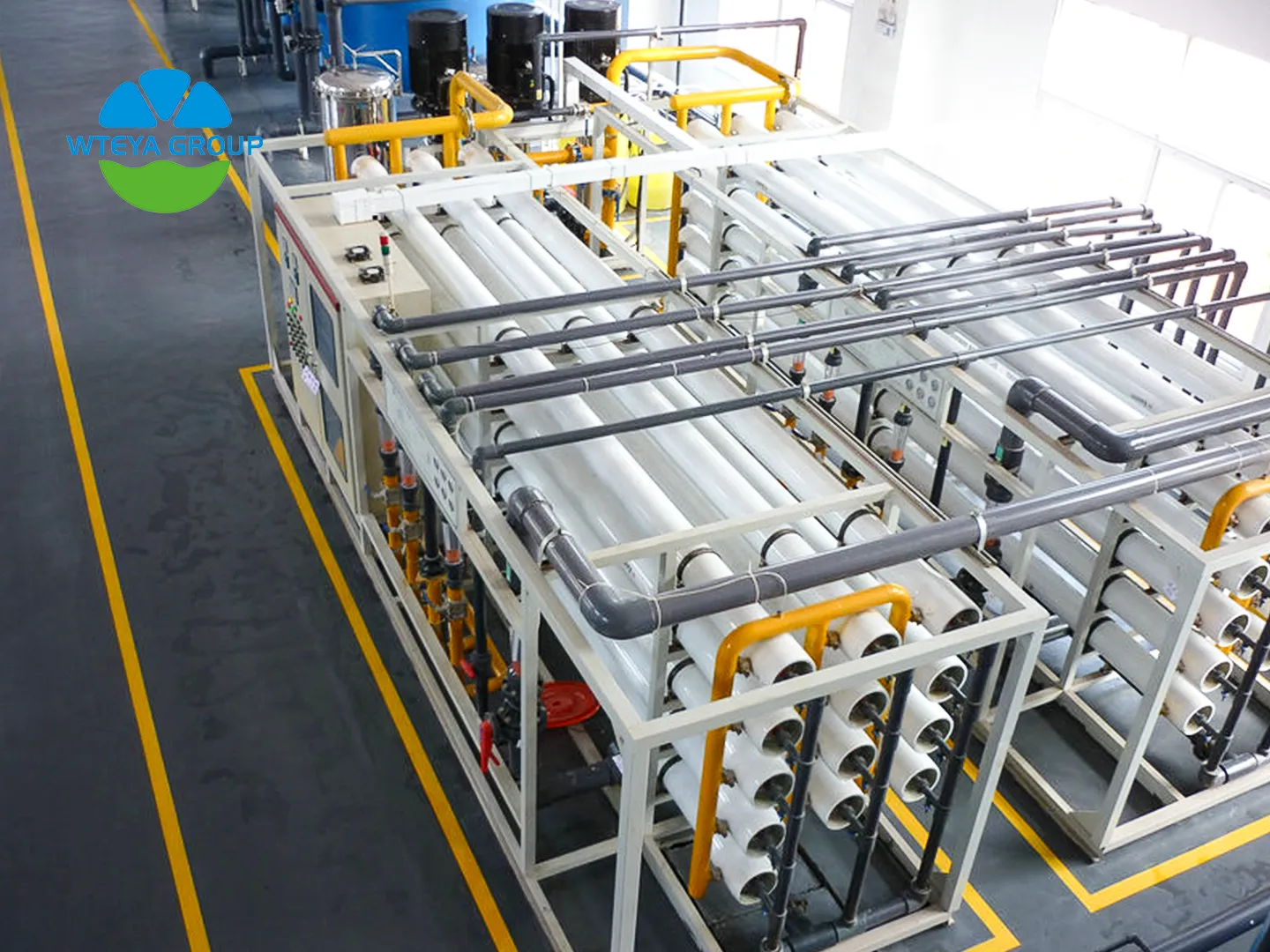
Seawater first passes an intake and pre-treatment stage, where media filtration removes sand and suspended solids and dosing protects the membranes from scaling. Clean feed water then reaches the high-pressure pumps and the reverse osmosis membranes, which are the heart of the plant.
The membranes reject salt at a rate of 99.5%, so seawater with a TDS of 35,000–45,000 mg/L leaves as product water with a TDS below 200 ppm. Recovery from seawater typically runs at 40–50%; where the source is brackish water (TDS 1,000–25,000 mg/L), recovery rises to 50–75% and energy demand drops to just 1–2 kWh per cubic metre. Control is fully automatic, so a small plant can run unattended at a village or a remote coastal site.
Matching Capacity to Community Size
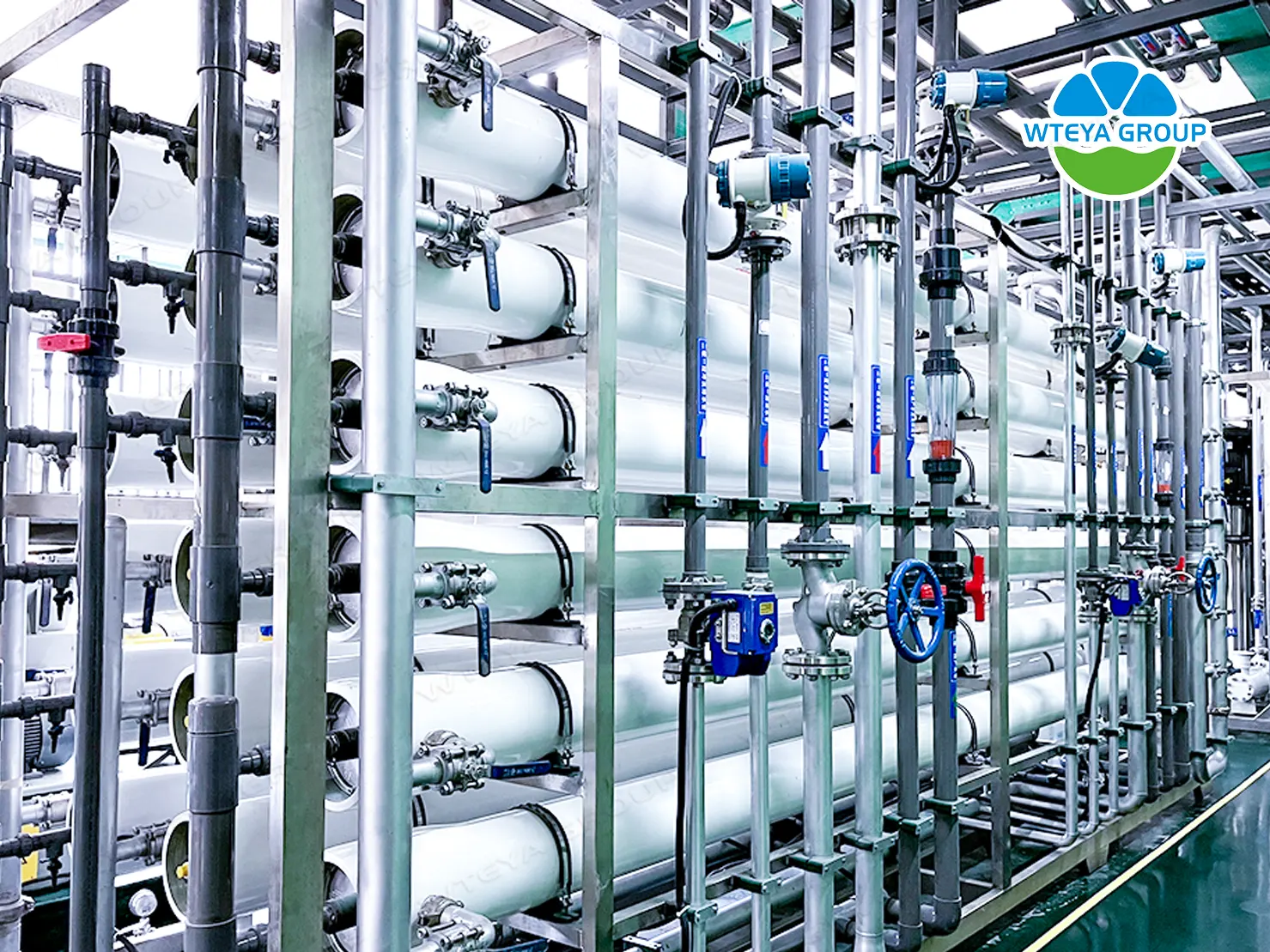
Capacity is chosen from daily demand, not from guesswork. A 5 T/H plant running 24 hours produces about 120 tons a day, and a 10 T/H plant produces about 240 tons a day. To size correctly, divide the community's daily requirement by the planned running hours — a village needing 100 tons a day over 20 hours requires 5 m³/h, while 200 tons a day requires 10 m³/h.
A good design leaves 10–20% headroom for growth and seasonal peaks. Where demand exceeds a single unit, multiple plants can be operated in parallel, and containerised models make that expansion straightforward.
Water Quality You Can Trust
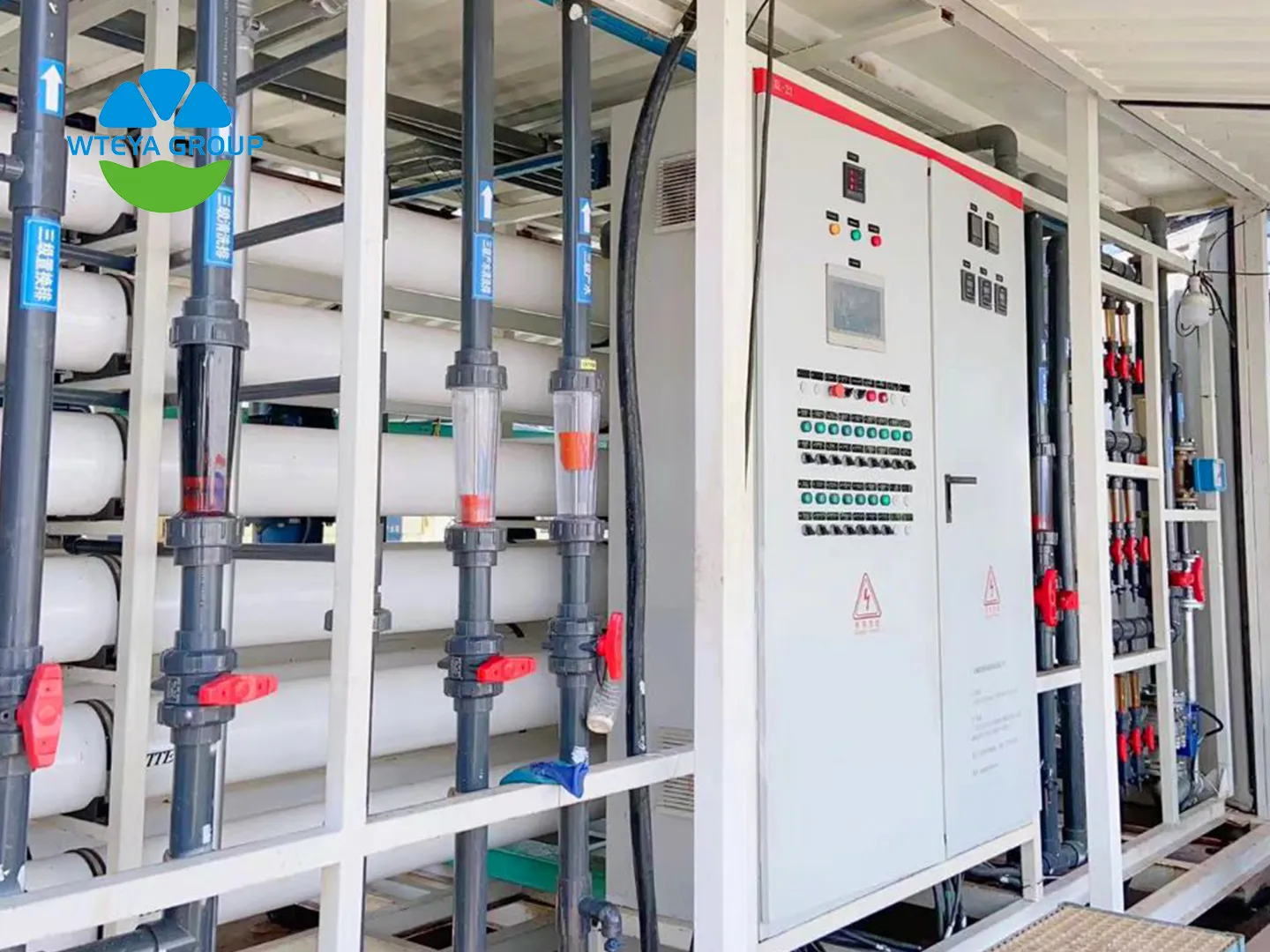
Desalinated water from a well-designed plant meets the WHO drinking-water standard. Product TDS stays below 200 ppm, turbidity is close to zero, and a mineralisation step adds calcium and magnesium and adjusts pH to 7.0–8.5 so the water tastes natural and is not corrosive to pipes.
Quality is protected continuously: conductivity, flow and pressure are monitored online with automatic alarms, and periodic third-party testing confirms TDS, pH and microbiological safety. Membrane elements are cleaned and replaced on schedule, with a service life of two to five years, to keep rejection rates high over the long term.
Cost, Energy and Payback
Energy is the main operating cost, and it is where good design pays off. Seawater reverse osmosis uses roughly 3–4 kWh per cubic metre, and fitting an energy-recovery device cuts that by around 30% — a saving that compounds over the life of the plant. Brackish-water systems need even less, at 1–2 kWh per cubic metre.
A 5 T/H coastal plant is typically delivered for around RMB 400,000–800,000 and a 10 T/H plant for RMB 700,000–1,300,000, giving a total water cost of roughly RMB 4–8 per ton and a payback of three to five years. Construction is quick: a containerised standard unit can be producing water within two to four weeks, and most projects reach commissioning within one to three months.
Why Choose WTEYA
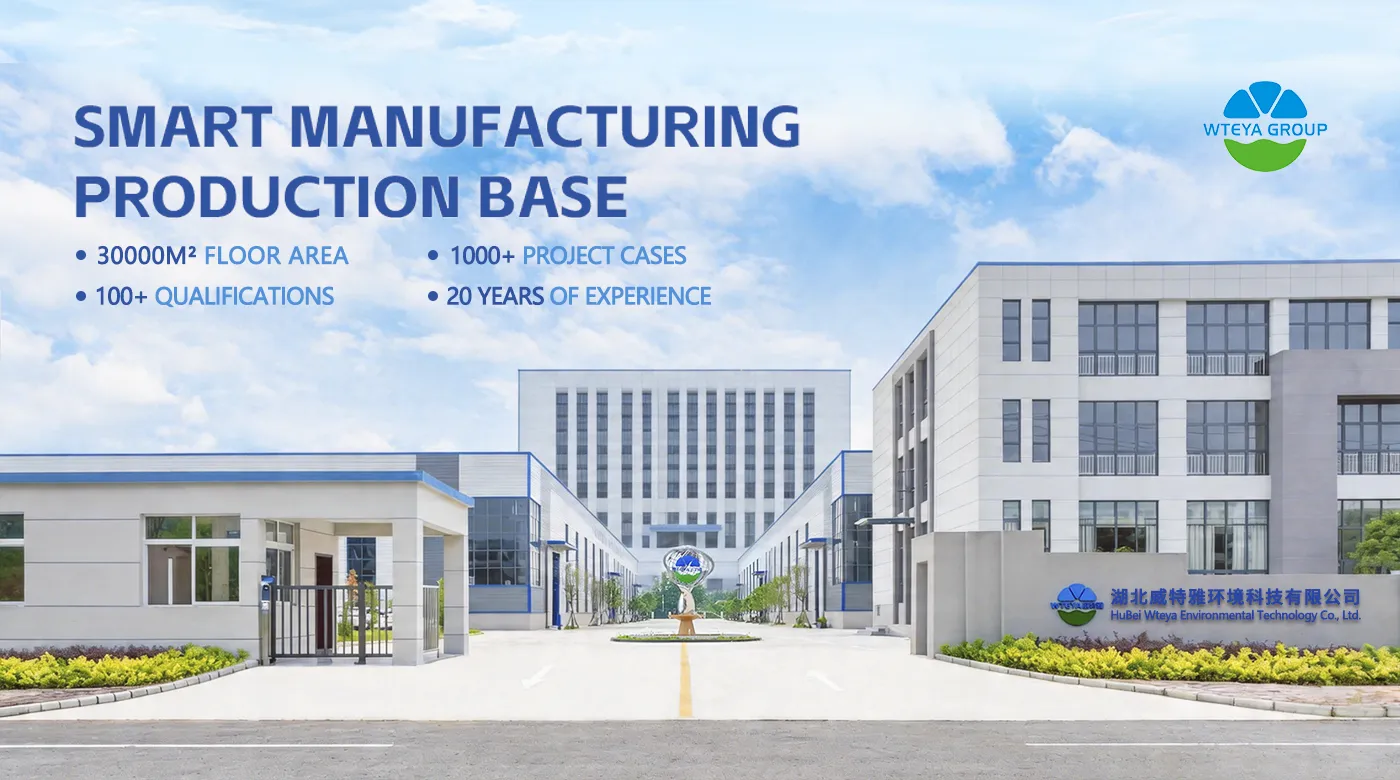
WTEYA has spent nearly 20 years designing water-treatment systems, and more than 2,000 customers across 30-plus provinces run our equipment today. Our coastal desalination plants are engineered for the salt, humidity and power conditions of real seaside sites, with anti-corrosion materials and containerised packaging that survives the trip.
We handle everything from water analysis and sizing to manufacture, shipping, installation and after-sales service, so a community gets a working plant rather than a box of parts.
Frequently Asked Questions
Q: How much fresh water can a coastal desalination plant produce?
A: A 5 T/H plant produces about 120 tons per day and a 10 T/H plant about 240 tons per day when run continuously; larger demands are met by operating several units in parallel.
Q: Is desalinated seawater safe to drink?
A: Yes. Reverse osmosis removes about 99.5% of salt, giving product water below 200 ppm TDS that meets the WHO drinking-water standard, with mineralisation added for taste and pipeline compatibility.
Q: What does a coastal desalination plant cost?
A: A 5 T/H system is typically RMB 400,000–800,000 and a 10 T/H system RMB 700,000–1,300,000, with a total water cost of about RMB 4–8 per ton and a payback of three to five years depending on local power and water prices.
Join the WTEYA Dealer Network
Become a WTEYA authorized dealer and bring reliable coastal desalination to the communities that need it. We offer exclusive territories, competitive pricing, and full factory support — from product training and technical documentation to marketing material and after-sales backup.
Whether you already serve the water sector or want to enter it, our team will help you size projects, prepare quotes and close the deal. Contact us to discuss territory availability and partnership terms.
📲 WhatsApp: +86-1802 5185 143
📧 Email: sales@wteya.com
🌐 Website: www.wteyaa.com
Previous: Brackish Water Desalination: Systems and Benefits
Next: No More