






Containerized Desalination: Scalable Water Infrastructure for Growing Port Cities
Containerized Desalination: Scalable Water Infrastructure for Growing Port Cities
Port cities face a mounting water crisis. As trade volumes surge and populations expand along coastlines, municipal water systems struggle to keep pace. Desalination offers a proven solution — but building permanent plants takes years of planning, permitting, and construction. Containerized desalination systems deliver fresh water within weeks, not years, giving port authorities the scalable infrastructure they need right now.
The Water Challenge Facing Port Cities
Growing port cities share a common problem: demand outstrips supply. Incoming workers, expanding logistics hubs, and rising tourist traffic all increase daily water consumption. Municipal reservoirs, often designed decades ago, cannot handle the strain. When drought hits or peak season arrives, rationing becomes the norm. Trucking in bottled water costs up to ten times more than piped supply and creates logistical chaos at already congested ports. The longer you wait to expand capacity, the worse the shortfall becomes.
How Containerized Desalination Works
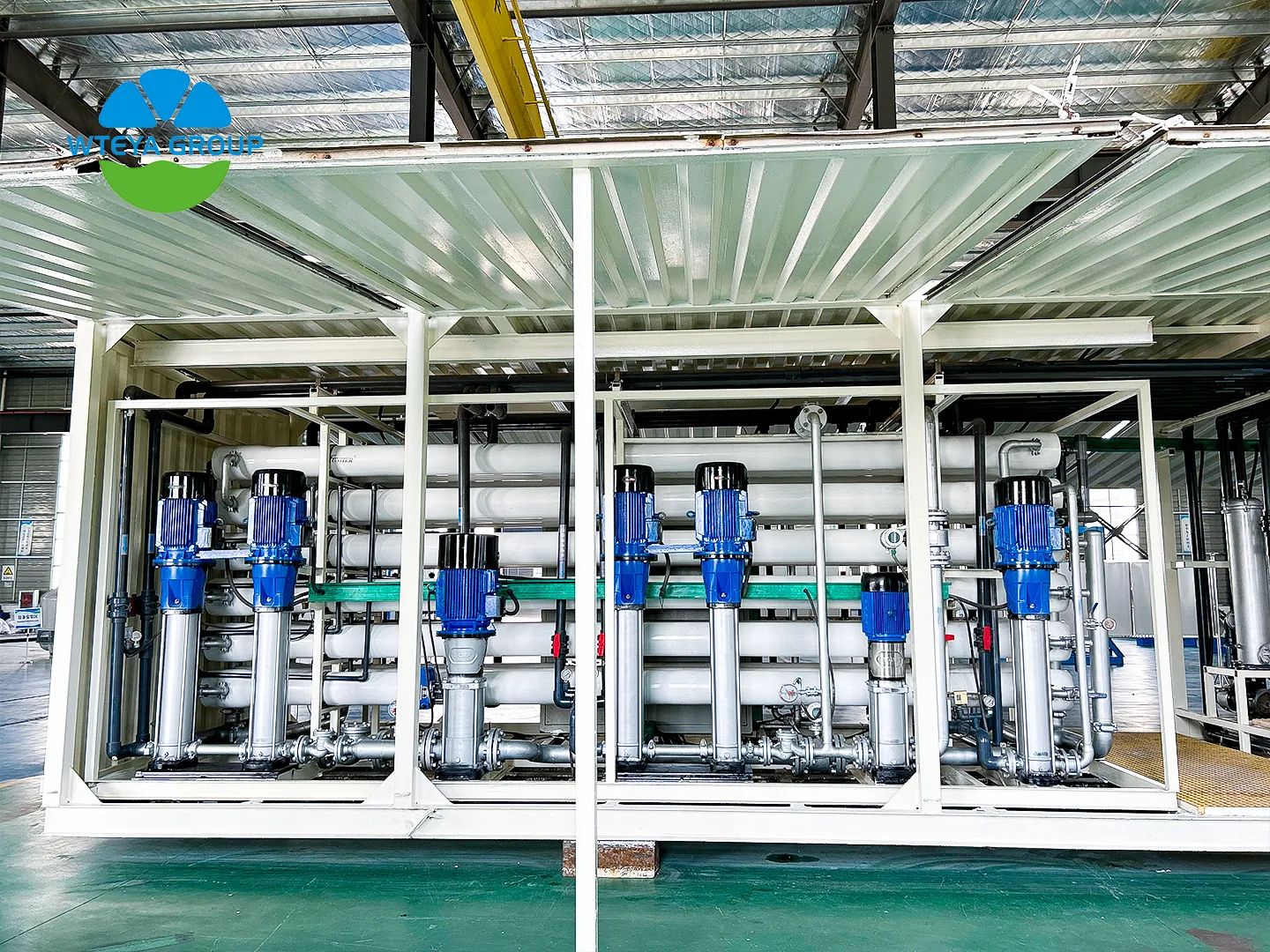
A containerized desalination system houses a complete reverse osmosis plant inside a standard shipping container. Seawater enters through a pre-treatment module, passes through high-pressure RO membranes that reject dissolved salts, and exits as clean, drinkable water. Recovery rates reach 40–50 percent for seawater feeds, producing between 500 and 50,000 liters per day depending on the unit size. Unlike traditional plants, these systems arrive pre-assembled and tested — you connect intake pipes and power, then start producing water.
Core Advantages for Port Infrastructure
Rapid Deployment. From order to operation in 4–8 weeks. No civil construction, no site pouring, no multi-year approval timelines. Port authorities can respond to seasonal demand spikes or emergency shortages without long delays.
Modular Scalability. Need more capacity? Add another container unit. Each module operates independently, so you scale incrementally instead of betting on a single oversized plant. This pay-as-you-grow approach keeps capital expenditure manageable.
Compact Footprint. Containerized units occupy a fraction of the space required by conventional desalination facilities. On crowded port real estate where every square meter counts, this matters. Units can stack or line dockside without disrupting cargo operations.
Low Maintenance. WTEYA containerized systems use corrosion-resistant materials and automated cleaning cycles designed for harsh marine environments. Routine servicing takes hours, not days, minimizing downtime.
Application Scenarios
- Expanding container terminals where worker camps and logistics offices need daily fresh water
- Passenger cruise ports handling seasonal tourist surges that overwhelm local utilities
- Fishery harbors supporting processing plants, cold-storage facilities, and crew housing
- New port developments in regions without existing water infrastructure
- Industrial port zones where manufacturing and warehousing drive continuous demand
Growing port cities cannot afford to wait years for permanent desalination plants. WTEYA containerized systems provide the speed, scalability, and reliability that modern port infrastructure demands. Explore the full range at WTEYA Container Desalination Systems or compare capacity options with WTEYA 4040 RO Systems and WTEYA Brackish Water Solutions.
📲 WhatsApp: +86-1800 2840 855
📧 Email: sales@wteya.com
🌐 Website: www.wteyaa.com