







Containerized Desalination Plants: Rapid Deployment
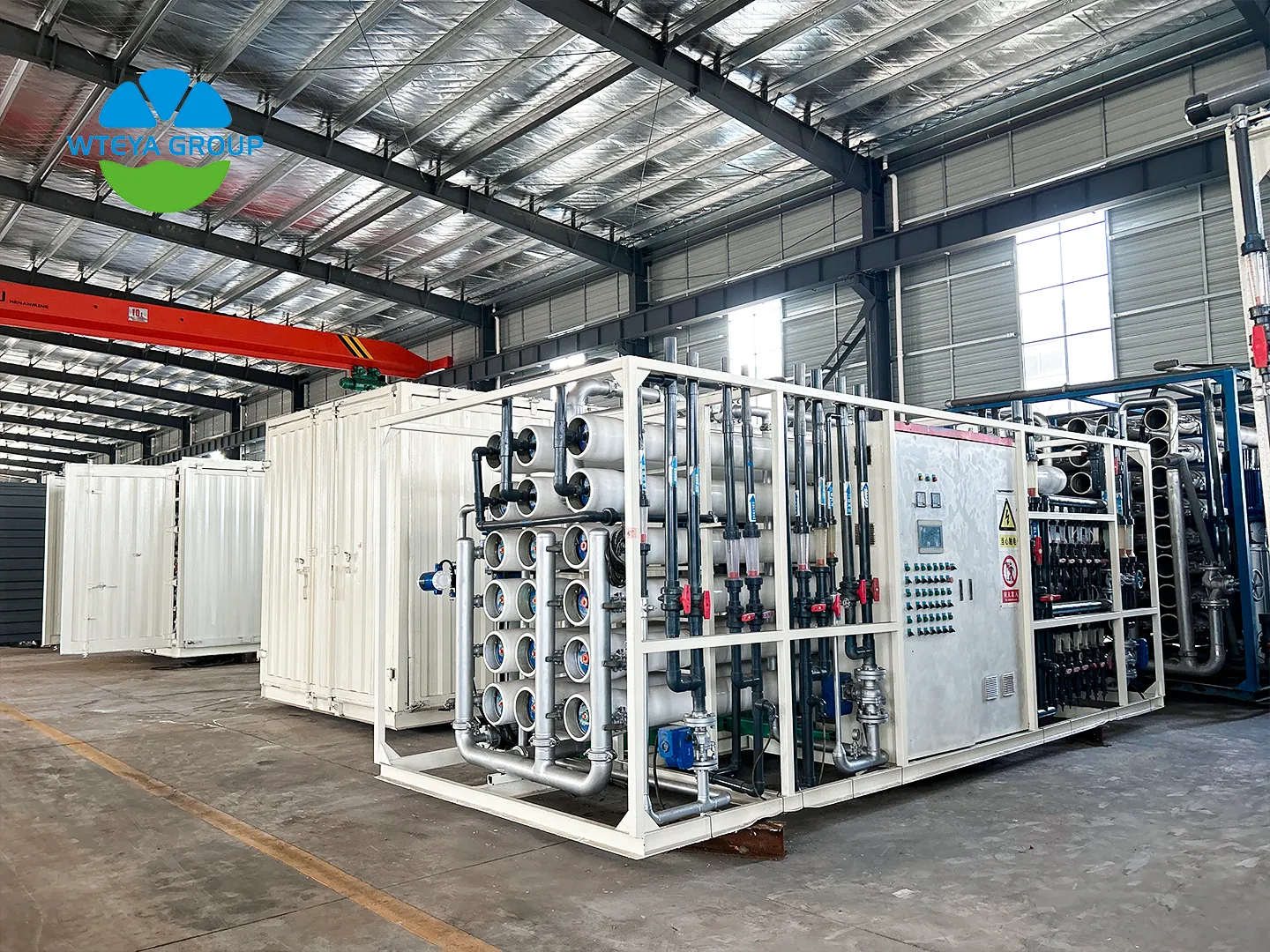
Containerized Desalination Plants: Rapid Deployment
When a community, island, industrial site, or disaster zone needs fresh water fast, a containerized desalination plant is one of the fastest answers available. The entire seawater reverse osmosis system is factory-integrated inside standard shipping containers, tested before shipment, and delivered ready to produce water within days of arrival on site. This article explains how containerized desalination works, why it delivers rapid deployment, its technical specifications, and where it fits best.
What Is a Containerized Desalination Plant?
A containerized desalination plant integrates the complete water production chain — seawater intake, pretreatment, high-pressure pumps, RO membrane system, energy recovery, and remineralization — inside a standard 20-foot or 40-foot container. The container itself is the equipment room, providing weatherproofing, corrosion protection, and insulation. Because everything is assembled and commissioned at the factory, the unit arrives as a finished water plant rather than a pile of components.
Why Containerized Design Means Rapid Deployment
The containerized format removes almost all site construction work. The unit is lifted onto a prepared pad, connected to seawater, power, and discharge lines, and starts producing water. Key advantages include: minimal civil works and foundation requirements; easy transport by flatbed truck, rail, or ship; full relocation and reuse at a new site when the project moves; fast installation and commissioning of only 3 to 7 days; and standardized factory quality with pre-commissioning before delivery.
Technical Specifications
WTEYA containerized desalination plants are available in two standard sizes: 5 m³/h (approximately 120 tons per day) and 10 m³/h (approximately 240 tons per day). Both models use the same process train: intake → multi-media filtration → high-pressure pump → RO membrane → energy recovery → remineralization.
Typical specifications include salt rejection of 99.5% or higher, product water TDS below 200 ppm (meeting WHO drinking water standards), power consumption of only 3 to 4 kWh per m³ with standard energy recovery that saves about 30% of energy, system recovery of 40% to 50%, operating pressure of 5.5 to 7.0 MPa, and membrane element life of 2 to 5 years with normal maintenance. The plant runs on PLC full-automatic control with one-touch start/stop, and can treat seawater with TDS of 30,000 to 45,000 mg/L at feed temperatures of 5 to 35°C.
Where Containerized Plants Are Used
Containerized desalination plants are the equipment of choice for island communities that currently rely on shipped fresh water, emergency and disaster relief where municipal supply has been damaged, temporary camps and remote worksites, military and offshore supply operations, and coastal resorts that need an independent water source. Production of 120 to 240 tons per day serves from several hundred to over a thousand people, and the same unit can be craned onto a barge or truck and redeployed when needs change.
Deployment Timeline
Because the plant is manufactured in the factory while site preparation runs in parallel, total delivery time is dramatically shorter than conventional construction. For standard models in stock, water can be delivered within 2 to 4 weeks. From contract to first water, a typical project takes 1 to 3 months including design, production, transport, and the 3 to 7 day on-site installation and commissioning period. Preparing the concrete pad, seawater intake, discharge line, and three-phase power supply in advance shortens the schedule even further.
Frequently Asked Questions
What water quality does a containerized desalination plant produce? The RO system removes more than 99.5% of dissolved salts. Product water TDS is below 200 ppm with pH adjusted to 7.0 to 8.5 through remineralization, meeting WHO drinking water standards for potable, domestic, and many industrial uses.
How much energy does it consume? With standard energy recovery devices, power consumption is only 3 to 4 kWh per cubic meter of fresh water produced — about 30% lower than systems without energy recovery, which keeps long-term operating cost competitive with delivered water.
Can the plant be relocated? Yes. Because the complete system is contained in standard shipping containers, it can be lifted onto a truck or ship and moved to a new site, reconnected, and placed back into service — a major advantage for temporary projects, leased sites, and staged capacity programs.
Why Choose WTEYA
WTEYA has nearly 20 years of experience in water treatment and supports containerized plants with differentiated pretreatment and membrane configuration for different sea areas — high turbidity, high sediment, low temperature, and high salinity. Every unit comes with installation and commissioning by WTEYA engineers, operator training, and full life-cycle service including membrane replacement.
Become a WTEYA authorized dealer for containerized desalination. Exclusive territories, competitive pricing, and full factory support are available for qualified partners.
📱 WhatsApp: +86-1800 2840 855
✉ Email: info@wteya.com
🌐 Website: www.wteyaa.com