






Brackish Water RO Systems: Cost-Effective Desalination for Industrial Sites
Brackish Water RO Systems: Cost-Effective Desalination for Industrial Sites
Industrial facilities near coastal or inland saline aquifers face a growing problem: freshwater supplies are shrinking while demand keeps rising. Brackish water — with salinity between 1,000 and 10,000 mg/L — is abundant in many regions, yet most plants still truck in fresh water or rely on aging municipal lines. Both options are expensive and unreliable.
Why Brackish Water Desalination Matters Now
Globally, over 60% of groundwater reserves in arid zones qualify as brackish. For factories, mining operations, and agricultural processors, this represents an untapped water source sitting literally beneath their feet. The cost of doing nothing? Water bills climb 8–12% annually in water-stressed regions, and unexpected supply disruptions can halt production for days.
How Brackish Water RO Systems Work
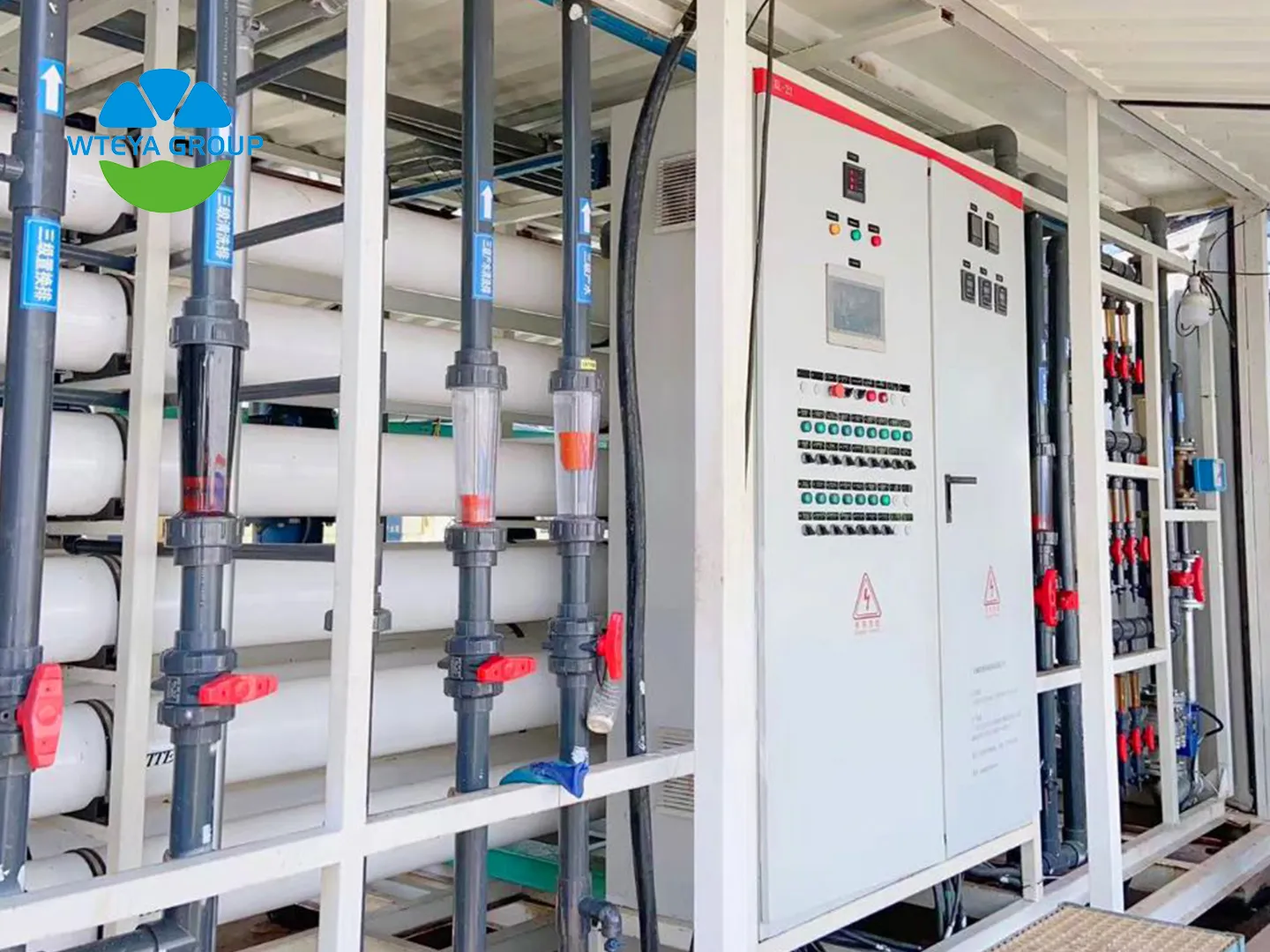
A brackish water reverse osmosis system pressurizes saline feed water and forces it through semi-permeable membranes. Salt ions and impurities are rejected, producing fresh permeate on the other side. Unlike thermal desalination, RO requires no heating phase — it runs on electric pumps alone, cutting energy consumption by 40–60% compared to seawater desalination plants.
Because brackish feed has lower salinity than seawater, the operating pressure drops significantly. That translates directly into smaller pumps, lower power draw, and longer membrane life — all of which reduce total cost of ownership.
Key Advantages for Industrial Buyers
Lower energy costs. Operating pressures for brackish RO range from 10 to 25 bar, versus 55 to 70 bar for seawater. Energy recovery devices further cut consumption, making brackish systems 50–70% cheaper to run per cubic meter of product water.
Compact footprint. Brackish RO skids fit inside standard shipping containers or small equipment rooms. No large-scale civil works are needed, so installation timelines shrink from months to weeks.
Scalable output. WTEYA brackish water desalination systems scale from 500 L/day to 50,000 L/day by adding membrane banks in parallel. Facilities can start small and expand as water demand grows.
Consistent water quality. RO permeate typically drops below 500 mg/L TDS — well within most industrial process water specifications, including boiler feed and cooling tower makeup.
Where Brackish RO Delivers the Most Value
- Mining and mineral processing: Remote sites rely on groundwater that is often too saline for direct use. A brackish RO unit produces process-quality water on-site, eliminating tanker deliveries.
- Food and beverage production: Wash-down water, ingredient water, and CIP rinse all require controlled TDS levels. Brackish RO meets these standards without municipal dependency.
- Power generation: Cooling tower makeup water demands are enormous. Treating local brackish groundwater reduces raw water purchase costs substantially.
- Agricultural processing: Canneries, sugar mills, and livestock operations near saline aquifers gain water independence with a compact RO skid.
Choosing the Right Brackish RO System
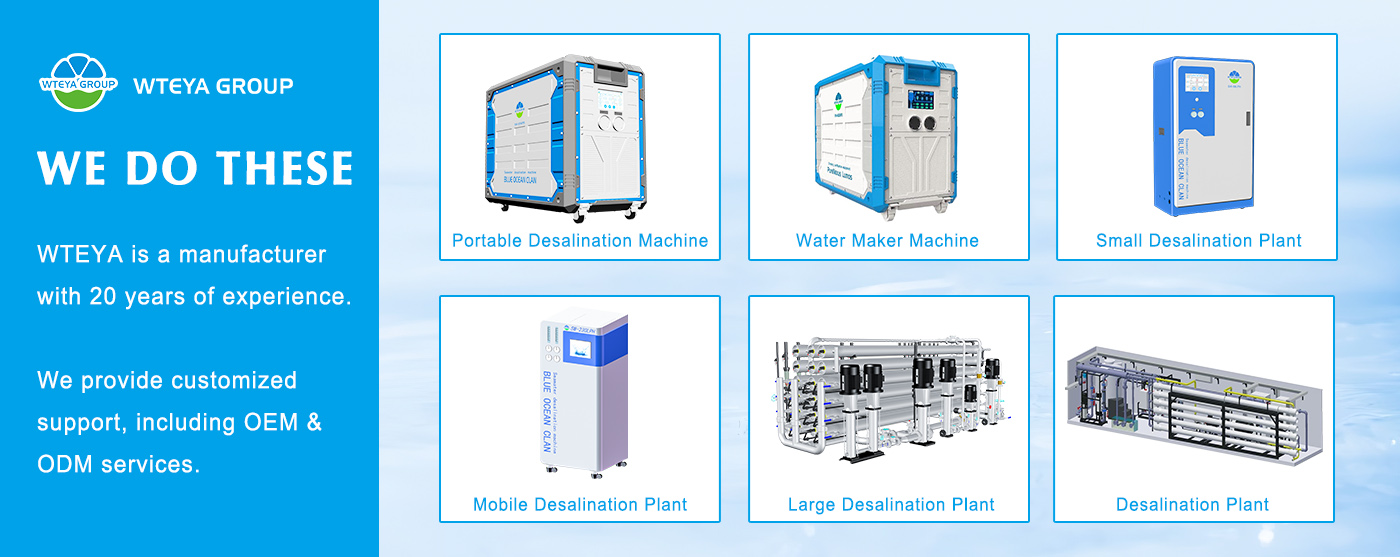
Start with a detailed water analysis — total dissolved solids, hardness ions, organic content, and suspended solids all influence membrane selection and pretreatment design. WTEYA offers free feed-water evaluation and custom system sizing through its product lineup at www.wteyaa.com/product_list.html.
For most industrial buyers, the payback period falls between 12 and 24 months when replacing purchased fresh water. With membrane lifespans of three to five years and minimal chemical consumption, brackish water RO delivers reliable, long-term water supply at a predictable cost.
📲 WhatsApp: +86-1800 2840 855
📧 Email: sales@wteya.com
🌐 Website: www.wteyaa.com