






4040 RO System: Fresh Water for Coastal Research Vessels
4040 RO System: Fresh Water for Coastal Research Vessels
Research vessels spend weeks collecting samples along coastlines. Fresh water for crew, labs, and equipment cleaning is often a limiting factor. Shore refills waste valuable time, while bottled water consumes storage space and creates plastic waste. A compact onboard desalination system changes the equation.
The Water Challenge on Coastal Research Vessels
A medium research vessel may carry 10-20 crew members and scientists. Daily fresh water demand can exceed 500 liters for drinking, cooking, and lab work. Relying on port water supply extends downtime and complicates tight survey schedules. Stored water also shifts vessel weight, affecting stability during sensitive measurements.
Why 4040 RO Systems Fit the Mission
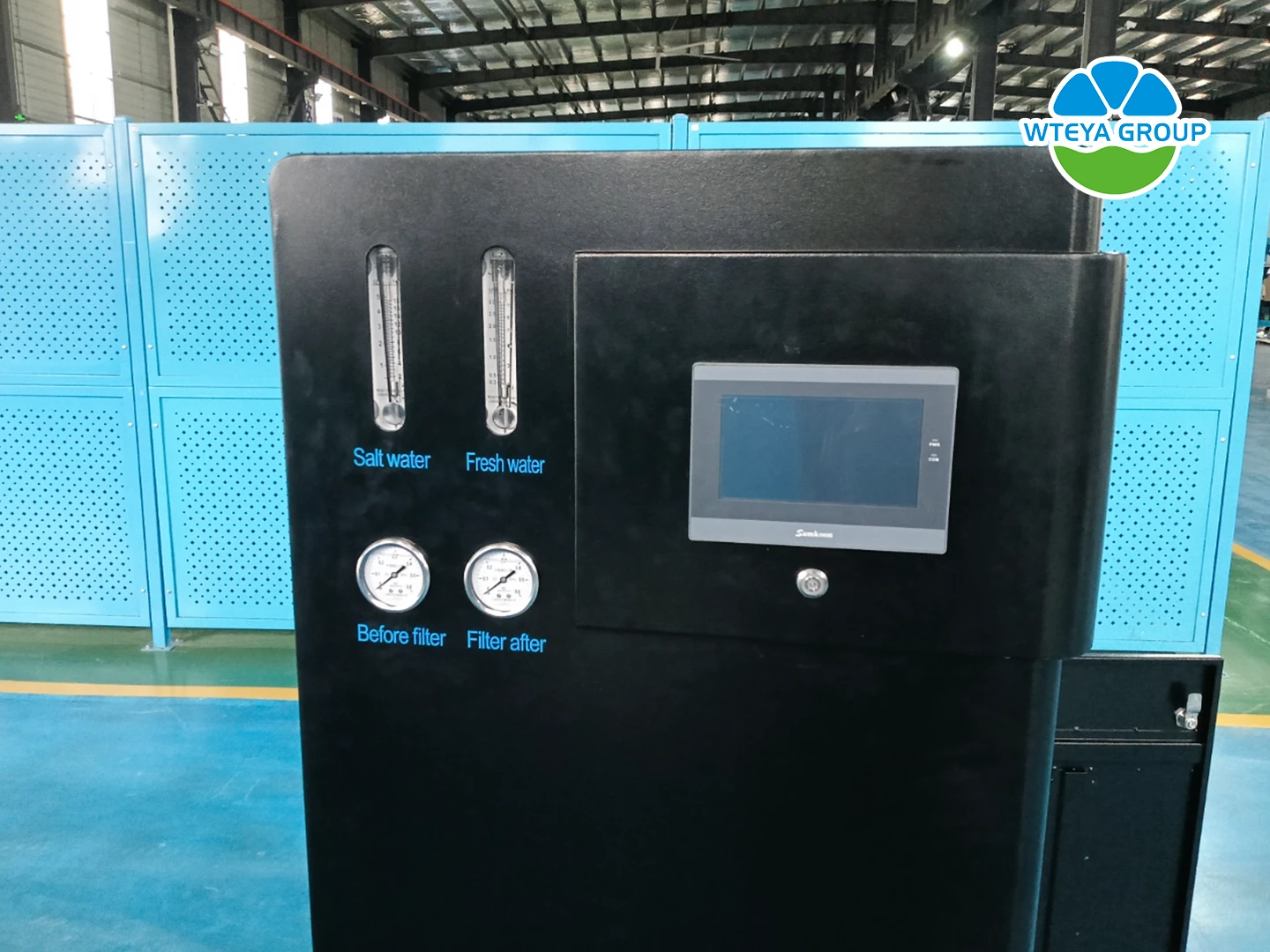
The 4040 seawater desalination system uses compact 4-inch RO membranes to convert seawater into drinkable water. Unlike larger industrial units, it fits into tight engine rooms or deck spaces common on research vessels. A single unit can produce enough water for small to medium crews without requiring specialized operators.
Compared to shore-based refills, the 4040 RO system gives vessels true water independence. Teams can extend survey durations and reach remote coastal stations without planning every route around water stops.

How the 4040 RO System Works
Seawater passes through pre-filters that remove debris and sediment. A high-pressure pump pushes water through the 4040 RO membrane. Salt, bacteria, and dissolved solids are separated, producing clean water suitable for drinking and lab use. The modular skid design simplifies installation and maintenance at sea.
Core Advantages for Research Fleets
Reliable Water Independence: Crews stay on station longer without returning to port for water.
Compact Footprint: The 4040 RO system occupies minimal space compared to traditional desalination plants.
Lower Operating Cost: Producing water onboard reduces long-term expenses versus bottled water and port delivery.
Consistent Water Quality: Stable output supports both crew consumption and sensitive scientific equipment cleaning.
Ideal Applications
Marine biology sampling stations
Water quality monitoring missions
Coastal geological surveys
Environmental monitoring expeditions
Small survey vessels and research boats
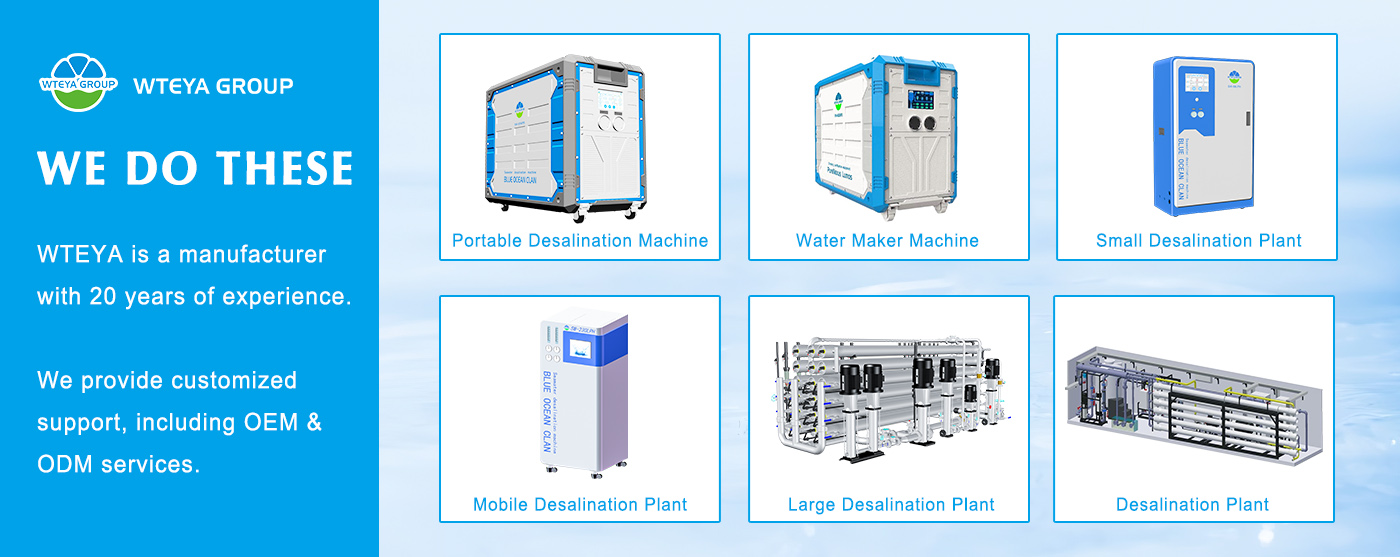
For vessel operators considering larger equipment, the containerized desalination system offers higher capacity for extended fleets.
A 4040 RO system gives coastal research vessels a practical, self-sufficient fresh water source. With reliable output, compact size, and simple operation, it helps research teams focus on their mission instead of logistics.
📲 WhatsApp: +86-1800 2840 855
📧 Email: sales@wteya.com
🌐 Website: www.wteyaa.com