






Emergency Desalination: Rapid Water Supply for Wildfire Response Teams
Emergency Desalination: Rapid Water Supply for Wildfire Response Teams
When wildfires sweep through rural and coastal communities, they destroy more than homes and forests — they wipe out municipal water infrastructure. Firefighters and emergency crews suddenly face a dual crisis: battling flames while scrambling to secure safe drinking water for camps, hospitals, and displaced residents. Portable emergency desalination equipment from WTEYA turns any seawater or brackish source into potable water within hours, keeping response teams focused on the mission, not the logistics.
The Hidden Water Crisis Behind Every Wildfire
Wildfires do not just burn vegetation. They melt PVC pipes, crack storage tanks, and contaminate reservoirs with ash and chemical runoff. In coastal fire zones, municipal systems often fail entirely, leaving hundreds of responders and evacuees without a single reliable water tap. Trucks can deliver bottled water, but supply lines stretch thin when roads are closed and demand spikes overnight. The real bottleneck is not fire suppression — it is sustaining human life in the aftermath.
How Emergency Desalination Bridges the Gap
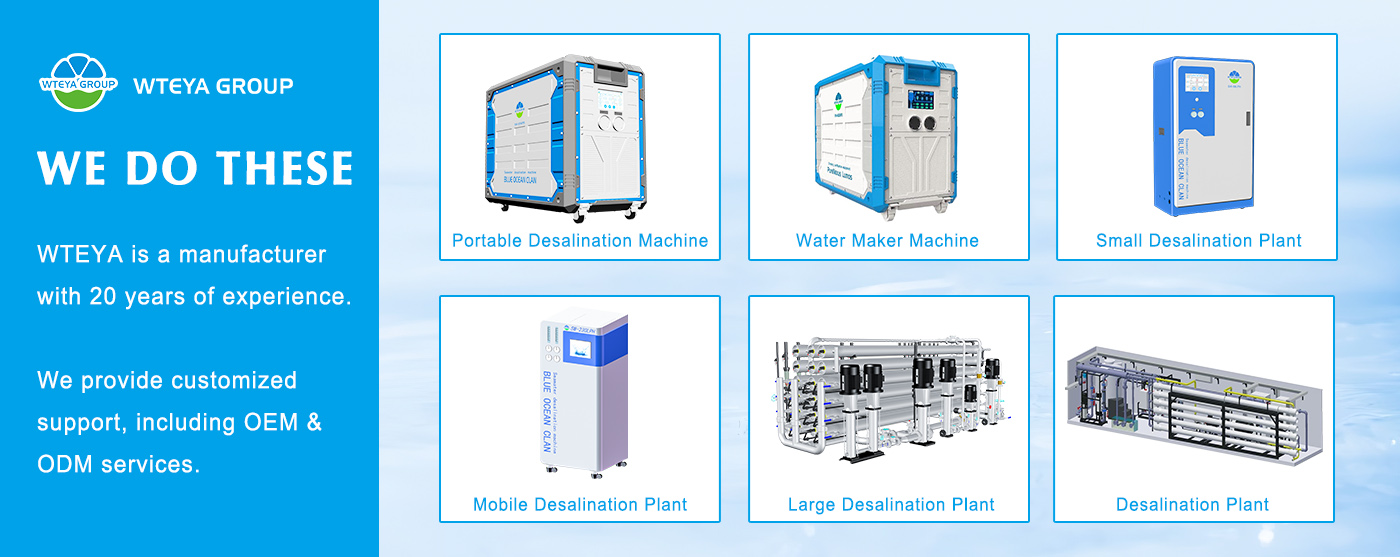
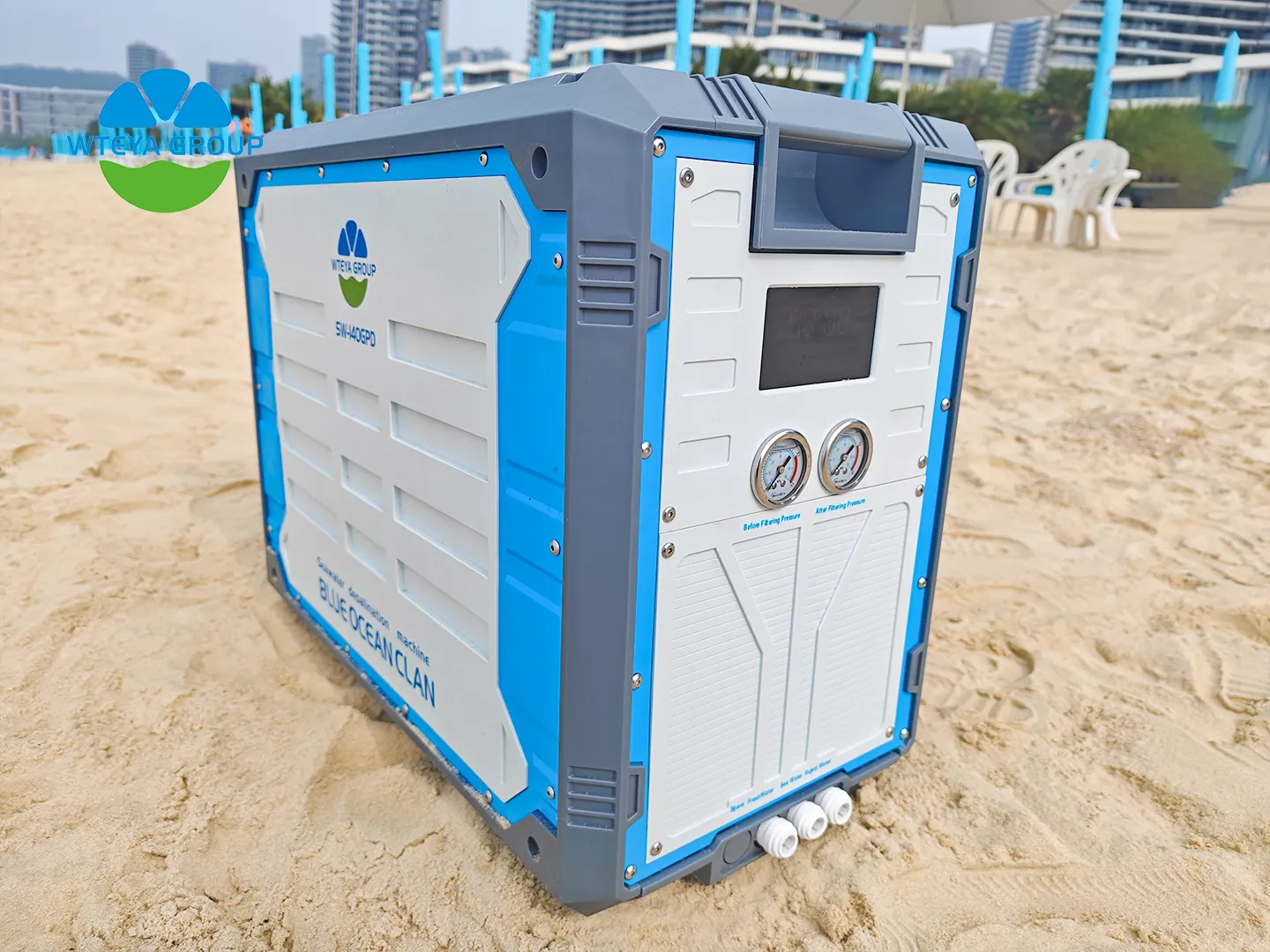
WTEYA emergency desalination units use reverse osmosis to draw from seawater, brackish aquifers, or polluted surface sources — the very water bodies that surround most coastal fire zones. Unlike trucked-in supplies, these systems produce fresh water on-site at rates from 500 to 10,000 liters per day. Setup takes under two hours: connect intake hoses, power the unit via generator or solar panels, and start flowing clean water to field kitchens, medical tents, and hydration stations.
Core Advantages for Fire Response Operations
Rapid deployment. Compact frames and skid-mounted designs let crews airlift or truck units into restricted zones within the first 24 hours of an incident.
Source flexibility. Whether the nearest water is ocean, estuary, or brackish well, the RO membranes adapt — no need to hunt for pristine freshwater sources that may no longer exist.
Energy independence. Diesel generators, vehicle power take-offs, or solar-powered configurations keep units running even when the regional grid is down.
Real-World Deployment Scenarios
Coastal wildfire base camps. A 5,000 L/day unit sustains a 200-person firefighting camp with cooking, washing, and drinking water — all sourced from the ocean 200 meters away.
Post-fire community recovery. When ash contaminates local reservoirs, a containerized system provides safe water for returning residents until permanent infrastructure is restored.
Remote mountain coastal zones. Where roads are impassable, a portable 500 L/day unit can be carried by helicopter to support isolated crews protecting watershed forests.
Wildfires will continue to challenge coastal regions worldwide. Emergency desalination from WTEYA ensures that water — the most basic resource — never becomes the weakest link in your response chain.
📲 WhatsApp: +86-1800 2840 855
📧 Email: sales@wteya.com
🌐 Website: www.wteyaa.com